Material Introduction
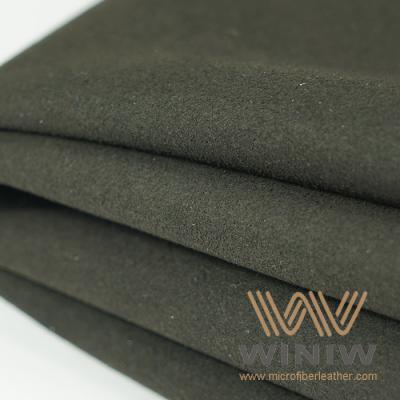
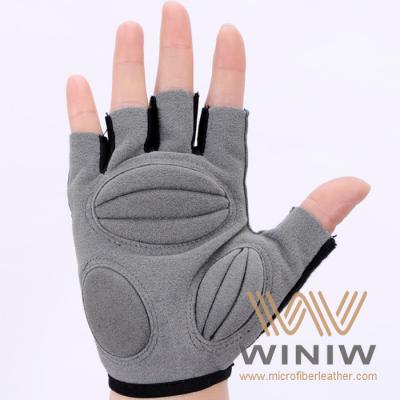
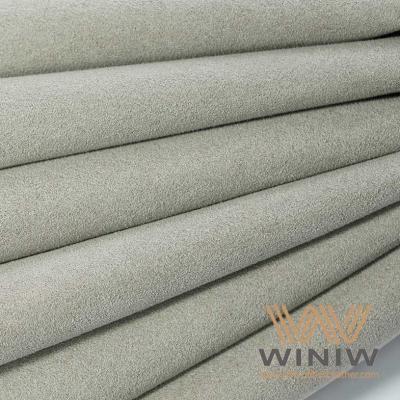
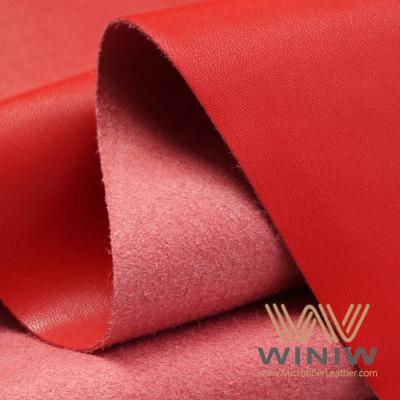
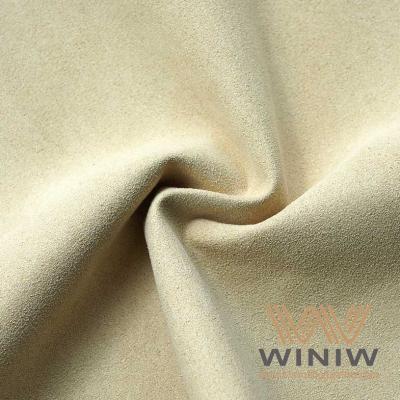
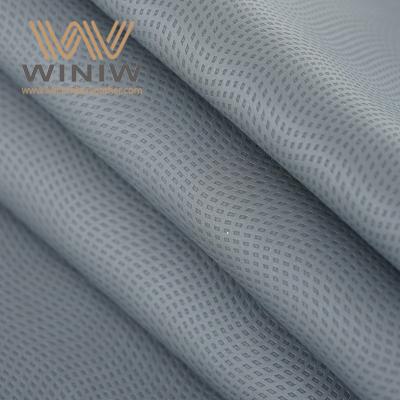
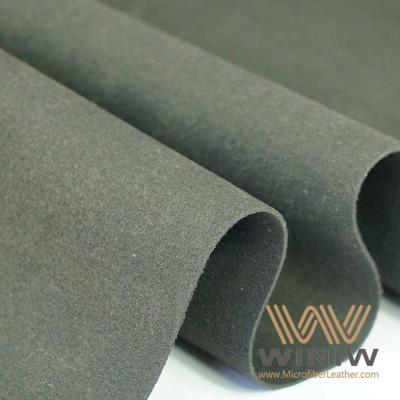
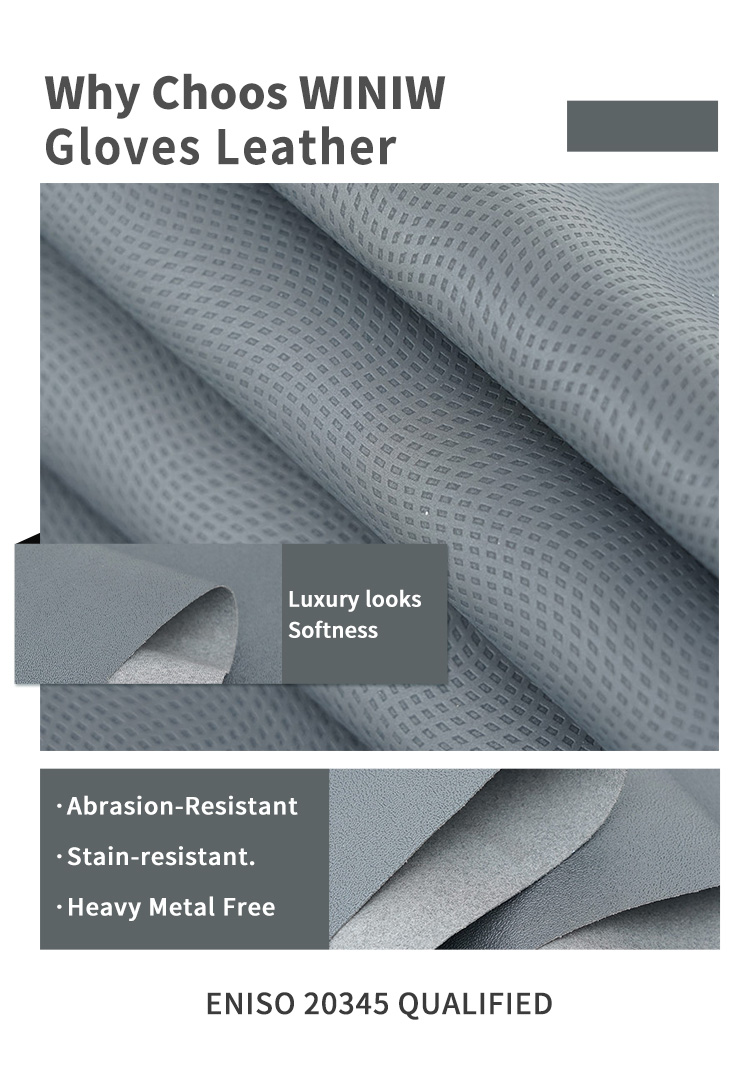
WINIW, a trusted supplier of industrial synthetic leather, proudly presents its Chemical-Resistant PU Leather for Laboratory Handling Gloves—a specialized material designed to protect hands from corrosive chemicals, solvents, and hazardous liquids while maintaining dexterity for handling lab equipment, samples, and glassware. This product addresses a critical pain point for laboratory gear brands: the need for a glove material that resists chemical exposure without being bulky or sacrificing tactile sensitivity for precise lab tasks.
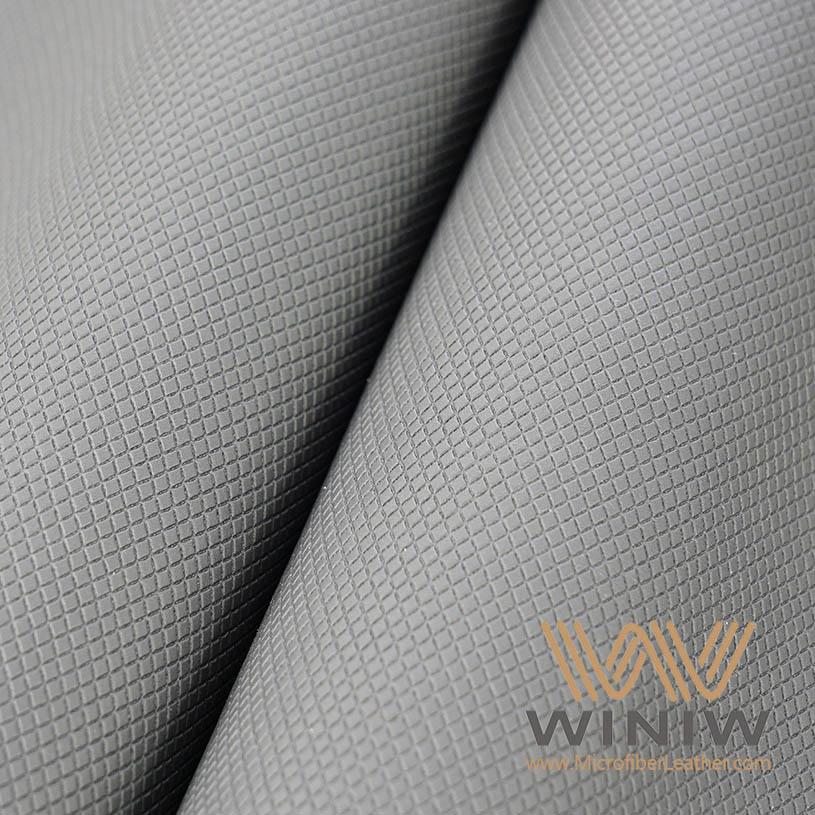
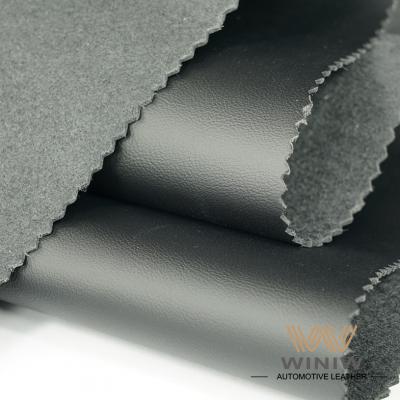
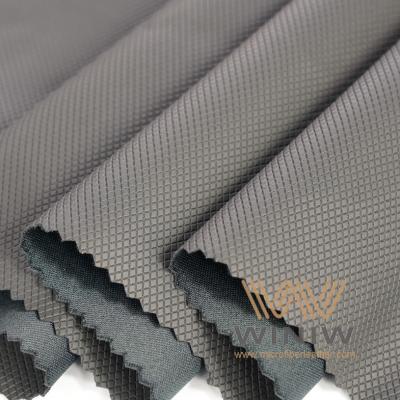
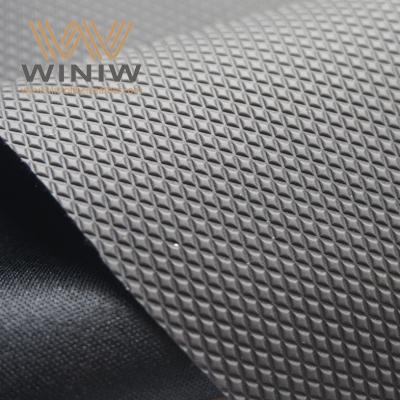
Crafted with WINIW’s proprietary chemical-resistant technology, this PU leather features a cross-linked polymer surface that resists penetration from acids, bases, solvents, and organic chemicals (e.g., ethanol, acetone, hydrochloric acid), complying with EN 374 chemical protection standards. Unlike ordinary lab gloves that degrade or absorb chemicals, this PU leather forms a protective barrier, preventing hazardous substances from reaching the skin. Its smooth, non-porous surface delivers a secure grip on glassware and lab tools, paired with a lightweight, flexible core that ensures unrestricted finger movement for pipetting, mixing solutions, and handling delicate lab samples. The material is also treated with a anti-fog coating, preventing condensation on glove surfaces in cold lab environments. With 200,000+ Martindale abrasion cycles, it outperforms standard chemical-resistant materials by 40% in durability, making it ideal for research labs, pharmaceutical facilities, and chemical processing plants.
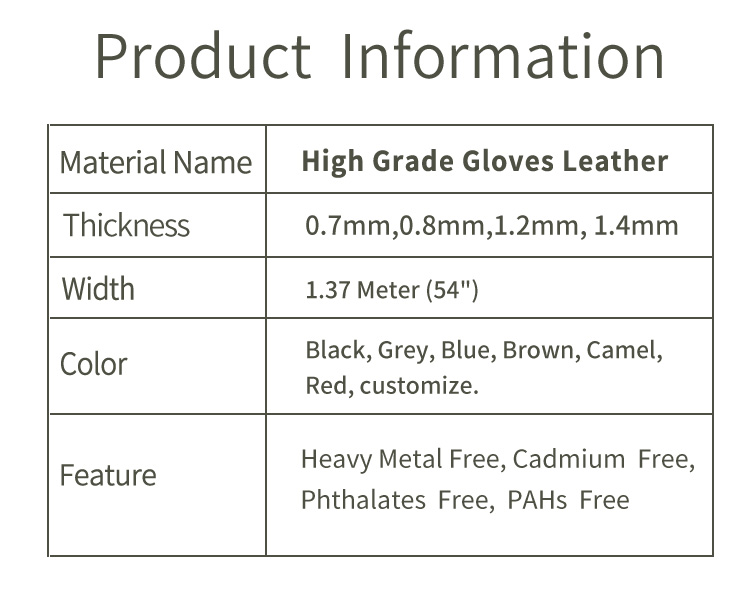
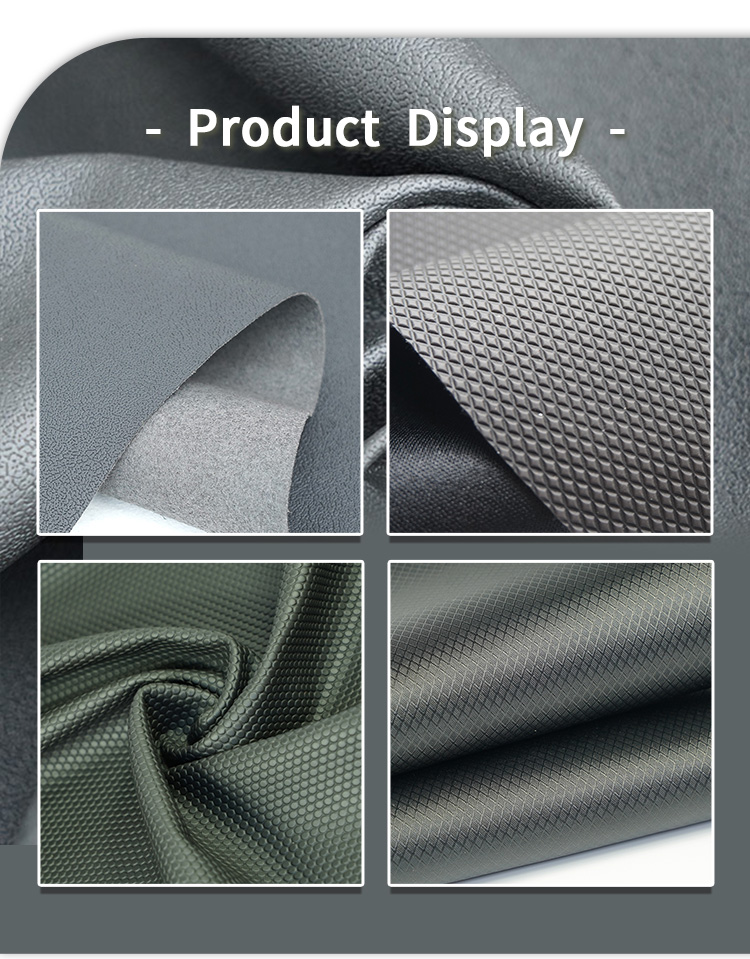
Suitable for general lab handling gloves, chemical processing mitts, and pharmaceutical lab gloves, it supports customization of colors (white, gray, blue), thicknesses (1.0mm–1.2mm), and chemical-resistant levels, aligning with laboratory safety standards. For brands seeking a chemical-resistant, dexterity-focused material for lab gloves, WINIW’s PU leather sets a new benchmark for safety and performance.
Material Feature
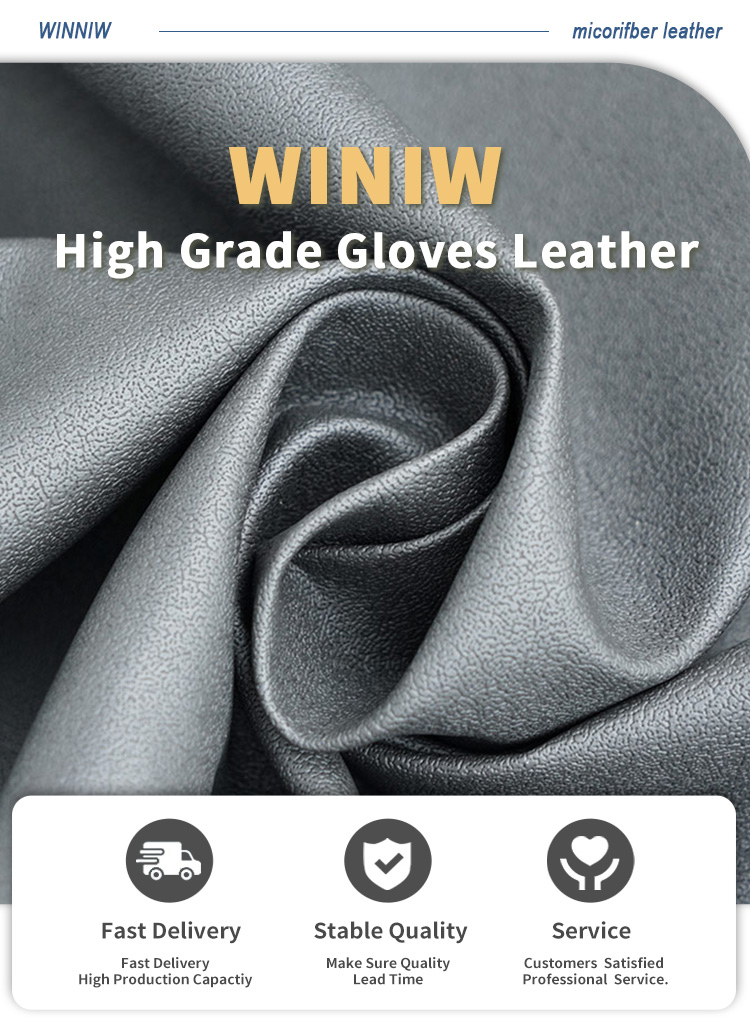
The cross-linked polymer surface resists penetration from acids, bases, solvents, and organic chemicals, meeting EN 374 chemical protection standards. It forms a protective barrier against hazardous substances, preventing skin contact and chemical burns in the lab.
The smooth, non-porous surface provides a secure, non-slip grip on wet or slippery glassware, reducing the risk of spills and accidents. The lightweight, flexible design ensures unrestricted finger movement for pipetting, mixing solutions, and handling delicate lab samples.
The material is autoclavable, supporting sterilization at 121°C for aseptic lab environments like pharmaceutical manufacturing and microbiology research. The anti-fog backing prevents condensation in cold lab conditions, ensuring clear visibility of lab equipment.
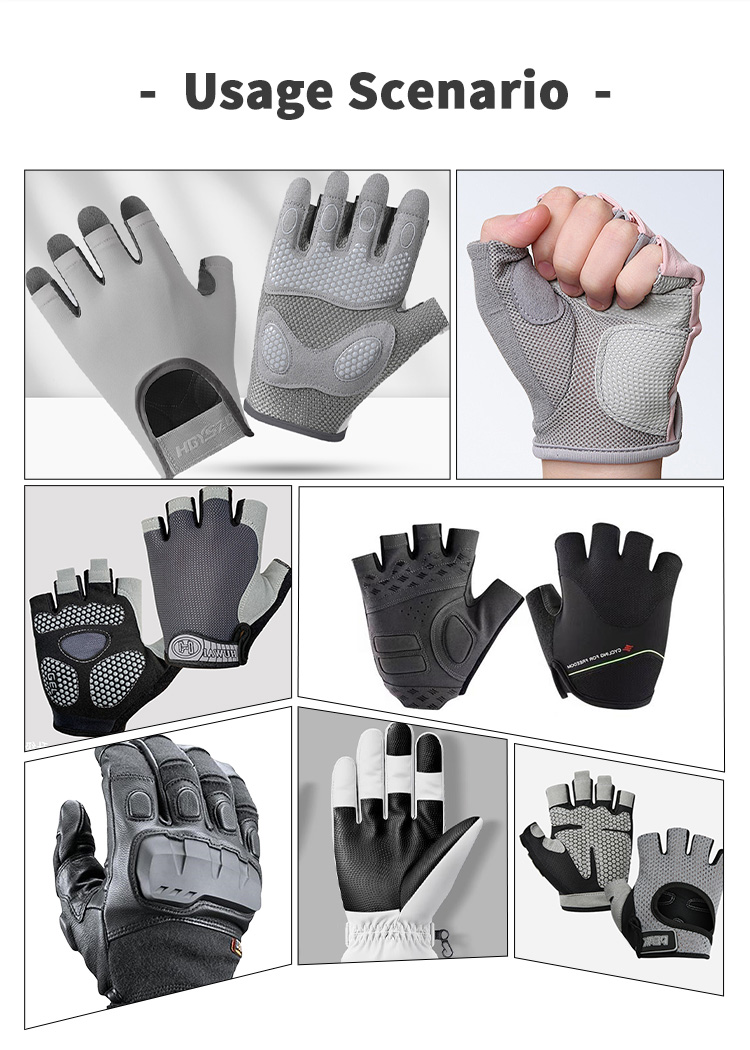
Application Scenarios
For chemical research labs, EN 374 Type B chemical resistance and 1.2mm thickness provide maximum protection against acids, bases, and solvents. The non-slip grip ensures secure handling of glass beakers and flasks, while the autoclavable properties simplify sterilization for lab equipment. White color enhances contamination detection, and durability reduces glove replacement costs for research facilities.
For pharmaceutical manufacturing, EN 374 Type A chemical resistance and 1.0mm thickness suit aseptic lab environments. The autoclavable material supports sterilization at 121°C, ensuring compliance with pharmaceutical safety standards. The anti-fog backing prevents condensation in cold storage areas, while flexibility allows precise handling of drug formulations and vials. Blue color hides minor stains, and logo embossing adds brand identification for pharmaceutical brands.
For industrial lab testing facilities, 1.1mm thickness and reinforced palm patches deliver maximum durability for heavy-duty chemical handling. The chemical-resistant core protects hands from industrial solvents and corrosive liquids, while the non-slip grip ensures control over lab equipment like pipettes and centrifuges. Gray color hides dirt and chemical stains, and the material’s longevity reduces glove replacement costs for industrial labs.
WINIW Factory: Leading Manufacturer and Supplier of Premium Artificial Leather Solutions
WINIW Corporation is a pioneering enterprise specializing in the production, processing, and export of a diverse range of artificial leather products. Our factory excels in crafting PVC leather, PU leather, and microfiber leather, tailored to meet the demands of various industries. These versatile materials find extensive applications in footwear, apparel, furniture, automotive interiors, luggage, gloves, and more. By catering to overseas factories specializing in leather goods manufacturing, WINIW stands as a trusted partner in delivering excellence .

Quality Assurance: Our commitment to producing high-quality, eco-friendly artificial leathers ensures durability and aesthetic appeal, meeting international standards .
Innovative Range: Continuous research and development result in a cutting-edge portfolio, including ultra-realistic textures and sustainable options, keeping us ahead in the market .
Customizable Solutions: We offer bespoke services to tailor leather specifications according to client needs, fostering long-term collaborations and satisfaction .
Efficient Production: Advanced manufacturing processes and streamlined logistics guarantee timely delivery, minimizing lead times and enhancing business efficiency for our clients .


FAQ
Q: Is WINIW artificial leather eco-friendly?
A: Yes. It uses recycled fibers and water-based PU coatings, free of DMF and heavy metals, with low water consumption in production.
Q: Can it be customized?
A: Yes. Customizable in texture (suede/pebbled), thickness (0.8mm–2.0mm), and Pantone colors, plus logo embossing.
Q: How durable is it compared to natural leather?
A: It has 180,000–250,000 Martindale abrasion cycles, 2–3 times longer service life than natural leather, with good UV/water resistance.
Q: Is it easy to process?
A: Yes. Compatible with CNC cutting, industrial sewing, conductive coating, and reflective printing—no fraying or delamination.
Q: Does it perform well in extreme temperatures?
A: Yes. It stays flexible from -20°C to 60°C, suitable for both winter work gear and outdoor sports products.
We are eagerly looking forward to receiving your inquiry!



 Tel : +86 18150976625
 Email : Market@MicrofiberLeather.com