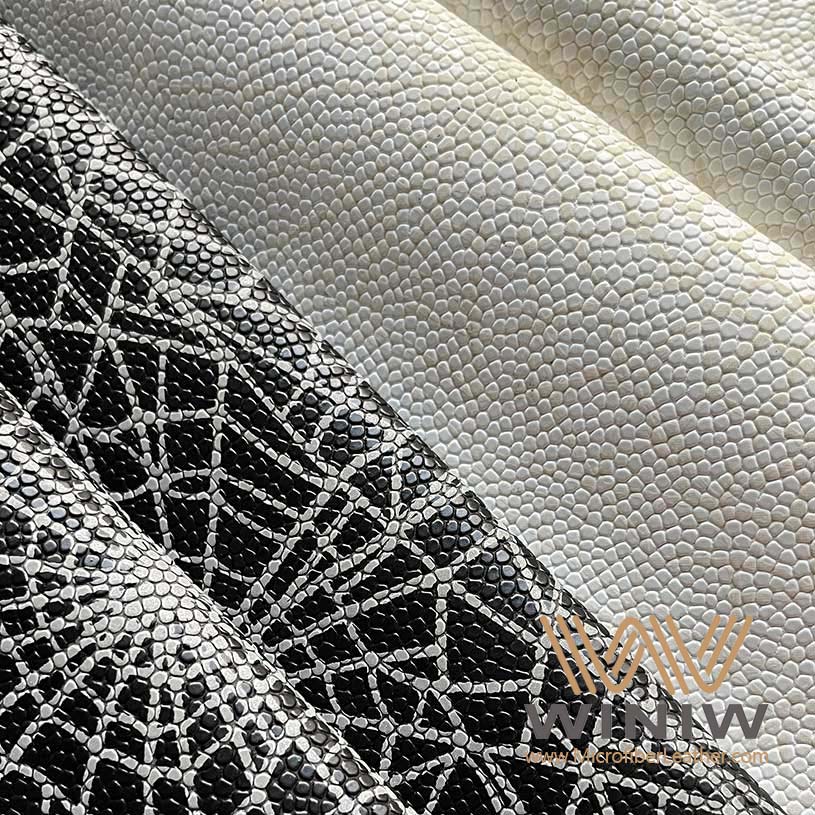
You can spot clear differences between Football PU Material, TPU, and PVC when you pick up a ball. PU offers a soft, premium touch. TPU gives you durability and is more eco-friendly. PVC stands out for its affordability. Choosing the right material helps you match your needs and playing style.
PU footballs offer a soft touch and superior control, making them ideal for professional matches.
TPU balls are durable, eco-friendly, and perform well in various conditions, making them great for training.
PVC footballs are the most affordable option, suitable for beginners and casual play, but they may not last as long.
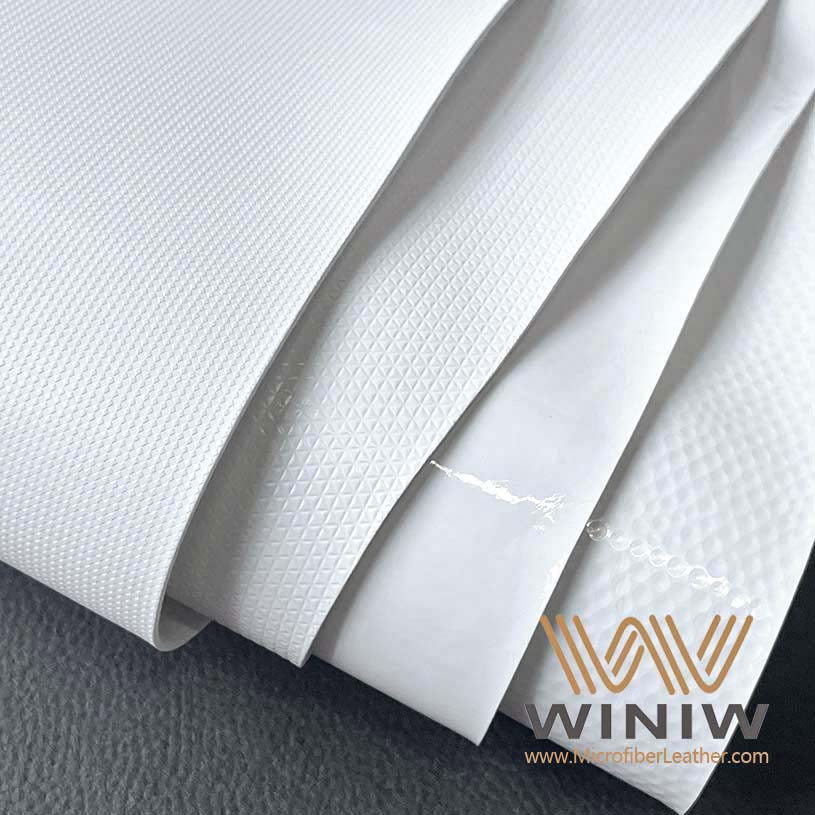
When you choose football pu material, you select a surface that feels soft and premium. PU stands for polyurethane, a synthetic material that closely mimics natural leather. You notice the difference as soon as you touch the ball. The softness of pu gives you a comfortable grip and reduces the impact on your hands and feet. This feature helps you avoid blisters and injuries, especially during long matches or training sessions. You also find that footballs made with pu conform better to your foot, making dribbling, passing, and shooting easier.
Football pu material offers high durability. In laboratory tests, pu leather withstands over 10,000 cycles in abrasion resistance, which means you can use these balls for months or even years if you care for them properly. The average lifespan of a pu football depends on how often you play and the conditions, but you can expect it to last longer than many other materials used in footballs.
You get superior performance with pu. The soft touch and good grip make these balls ideal for competitive matches. You can control the ball with precision, which is crucial for advanced play. However, pu is moderately water-resistant. If you play in wet conditions, you may notice some sensitivity to moisture, but the ball still maintains its performance.
Here is a quick comparison of the main physical properties:
|
Material |
Durability |
Performance |
Suitability |
|---|---|---|---|
|
PU |
High |
Superior performance, softer feel |
Professional players |
You should consider football pu material if you want a ball that feels great, lasts long, and helps you play at your best.
TPU, or thermoplastic polyurethane, is another popular choice for footballs. When you pick up a tpu ball, you notice its smooth surface and consistent feel. TPU offers high durability, making it perfect for training and regular play. In abrasion tests, tpu outperforms pvc, so you can expect your ball to handle rough surfaces and frequent use.
You also benefit from tpu’s eco-friendly qualities. This material is recyclable and biodegradable. Unlike pu and pvc, tpu breaks down in three to five years without harming the environment. If you care about sustainability, tpu is a smart choice.
TPU balls provide a good balance between softness and firmness. You get a softer feel than pvc, but more durability than pu in some conditions. The ball’s performance stays stable across different weather conditions. You can use tpu balls for both training and competitive matches, and you will notice consistent flight and bounce.
Here is a table showing how tpu compares in water resistance and weather durability:
|
Material |
Water Resistance |
Weather Durability |
Performance Characteristics |
|---|---|---|---|
|
TPU |
Good |
Stable across various conditions |
Good balance of durability and performance, suitable for training and competitive play |
You should choose tpu if you want a durable, eco-friendly ball that performs well in all conditions.
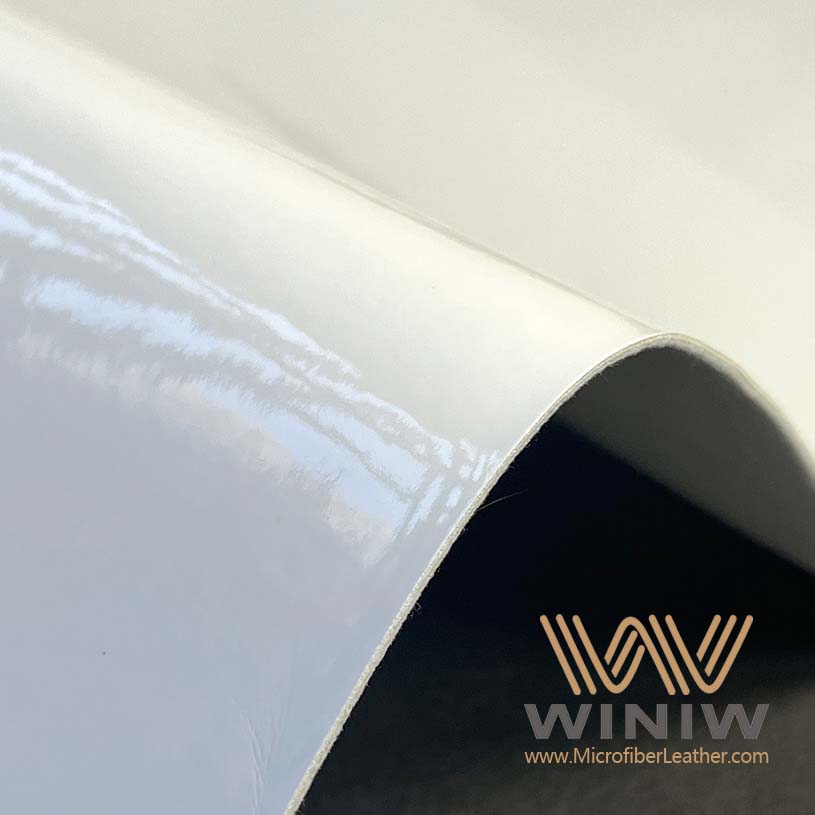
PVC, or polyvinyl chloride, is one of the most affordable materials used in footballs. When you touch a pvc ball, you feel its harder surface. PVC balls are firmer and less elastic than pu or tpu. This hardness gives you a ball that is less responsive, but it also makes the ball safer for beginners and youth players. The moderate hardness level cushions impact, reducing the risk of injuries.
PVC footballs stand out for their excellent water resistance. You can play in wet conditions without worrying about the ball getting heavier. The anti-slip texture helps you maintain grip, and the seamless design reduces friction and abrasions during play.
However, pvc has some drawbacks. The material does not perform as well in cold weather, as it can harden and lose responsiveness. PVC also has lower abrasion resistance compared to tpu and pu. If you use the ball often on rough surfaces, you may see signs of wear sooner.
You should also know that pvc is not eco-friendly. The production process releases toxic chemicals, and pvc products can take centuries to decompose. If you want a sustainable option, you may want to avoid pvc.
Here is a summary of pvc’s main features:
|
Material |
Durability |
Performance |
Suitability |
|---|---|---|---|
|
PVC |
Moderate |
Harder feel, less consistent flight |
Beginners, casual players |
PVC is a good choice if you need an affordable ball for casual play or training, but it is less suitable for advanced matches or eco-conscious players.
|
Material |
Durability |
Performance |
Suitability |
|---|---|---|---|
|
PU |
High |
Superior performance, softer feel |
Professional players |
|
TPU |
High |
Softer feel, consistent flight |
Intermediate players |
|
PVC |
Moderate |
Harder feel, less consistent flight |
Beginners, casual players |
Tip: If you want a football that balances price, durability, and eco-friendliness, tpu is your best bet. For top-level performance, choose football pu material. For budget-friendly options, pvc works well for practice and recreation.
When you look for a football that lasts, you need to consider how each material handles wear and tear. The most common causes of damage include abrasion, surface cracking, and shape loss after repeated play. If you play on rough surfaces like concrete or gravel, PU balls can show peeling or damage quickly. TPU balls handle rough play better and keep their shape longer. PVC balls resist water well but may lose their touch and shape in extreme temperatures.
The outer layer of many balls can peel after heavy use.
Surfaces may crack if not treated well during manufacturing.
Balls can lose shape and touch after several matches.
PU balls are sensitive to rough surfaces.
Harsh weather, such as heat or cold, can change the ball’s texture.
After extended use, you will notice that TPU balls keep their rebound and flight, even in different climates. PVC works best on rough ground and in harsh weather, but it can harden in the cold or lose shape in heat. PU balls perform best on well-kept fields and last up to 3-4 years with proper care. TPU balls usually last 2-3 years, and PVC balls last about 1-2 years.
Performance matters most when you want to play at your best. PU footballs give you a soft touch and excellent control. You will find that match balls made from PU meet the international match ball standard. These high-quality footballs offer consistent flight and help you control the ball during a match. TPU balls provide a good balance of softness and firmness. You get reliable bounce and stable flight, which makes them great for both training and matches. PVC balls feel harder and less elastic. They work well for beginners or casual games, but you may notice less control and a less predictable flight.
Here is a quick comparison of match ball features:
|
Feature |
PU (Polyurethane) |
TPU (Thermoplastic Polyurethane) |
PVC (Polyvinyl Chloride) |
|---|---|---|---|
|
Feel |
Softer |
Moderate |
Harder |
|
Control |
Enhanced |
Good |
Basic |
|
Flight Consistency |
High |
Good |
Moderate |
|
Durability |
High |
High |
Moderate |
|
Use in Match Balls |
Yes |
Sometimes |
Rare |
Note: If you want to play with the same type of footballs used in professional matches, choose PU match balls for the best experience.
You need to balance your budget with your needs. PVC footballs are the most affordable, with prices ranging from $1.80 to $2.50. TPU balls cost more but offer better durability and performance, making them a good value for regular players. PU balls are the most expensive, with prices around $100, but they last longer and deliver top performance.
|
Type of Football |
Lifespan (Years) |
Price Range |
|---|---|---|
|
PU |
3-4 |
~$100 |
|
TPU |
2-3 |
~$40 |
|
PVC |
1-2 |
~$15 |
If you want the best value over time, TPU balls offer a strong balance between cost and lifespan. PU balls cost more but give you the highest quality for matches. PVC balls are best for those who want to spend less or need balls for short-term use.
You should match the type of football to your skill level and playing environment. Coaches and trainers often select different types of footballs for each age group and purpose.
PU balls: Best for advanced players and official matches. Choose these if you want high-quality footballs that meet the international match ball standard.
TPU balls: Great for training, school teams, and intermediate players. These balls work well in many conditions and last for years.
PVC balls: Ideal for beginners, young children, or casual play. These balls handle rough surfaces and are easy to replace.
|
Football Size |
Age Group |
Recommended Material |
|---|---|---|
|
Size 3 |
U7 to U10 |
PVC, TPU |
|
Size 4 |
U11 to U14 |
TPU, PU |
|
Size 5 |
Older teens/adults |
PU, TPU |
When you choose among the types of footballs, think about where you play, your skill level, and how often you use the ball. TPU stands out for its eco-friendly qualities and balanced performance. PU is the top choice for matches and advanced play. PVC is perfect for affordable, everyday use.
Tip: If you want a ball for training and matches, pick TPU or PU. For playgrounds or rough fields, PVC is a practical option.
You see clear differences among PU, TPU, and PVC footballs. PU gives you top touch and control for matches. TPU balances durability and value for training. PVC offers affordability for recreation.
|
Material |
Best Use |
Lifespan (Years) |
Price Range |
|---|---|---|---|
|
PU |
Matches |
3–4 |
£80–£140+ |
|
TPU |
Training |
2–3 |
£15–£40 |
|
PVC |
Recreation |
1–2 |
£10–£20 |
Choose PU for elite play.
Pick TPU for regular practice.
Select PVC for casual games.
You get the best water resistance with PVC footballs. TPU also performs well in rain. PU absorbs more water, so it may feel heavier when wet.
You help the environment by choosing TPU. This material is recyclable and biodegradable. It breaks down faster than PU or PVC.
You should avoid using PU footballs on concrete or gravel.
TPU or PVC balls handle rough surfaces better and last longer.
Winiw International Co.,Ltd


Scan to wechat:



 Tel : +86 18150976625
 Email : Market@MicrofiberLeather.com