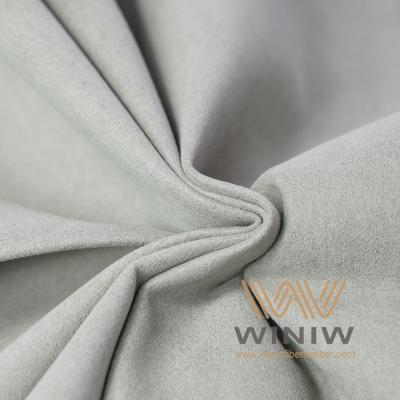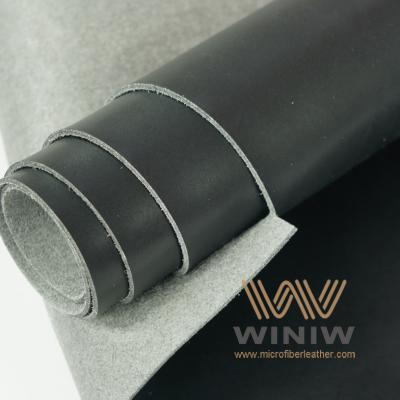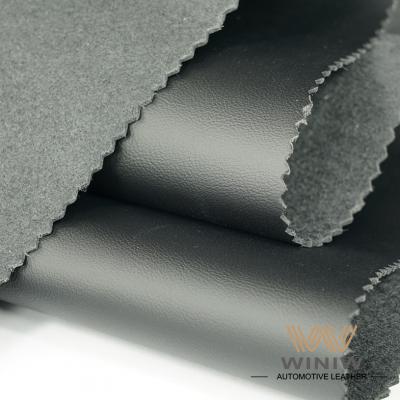
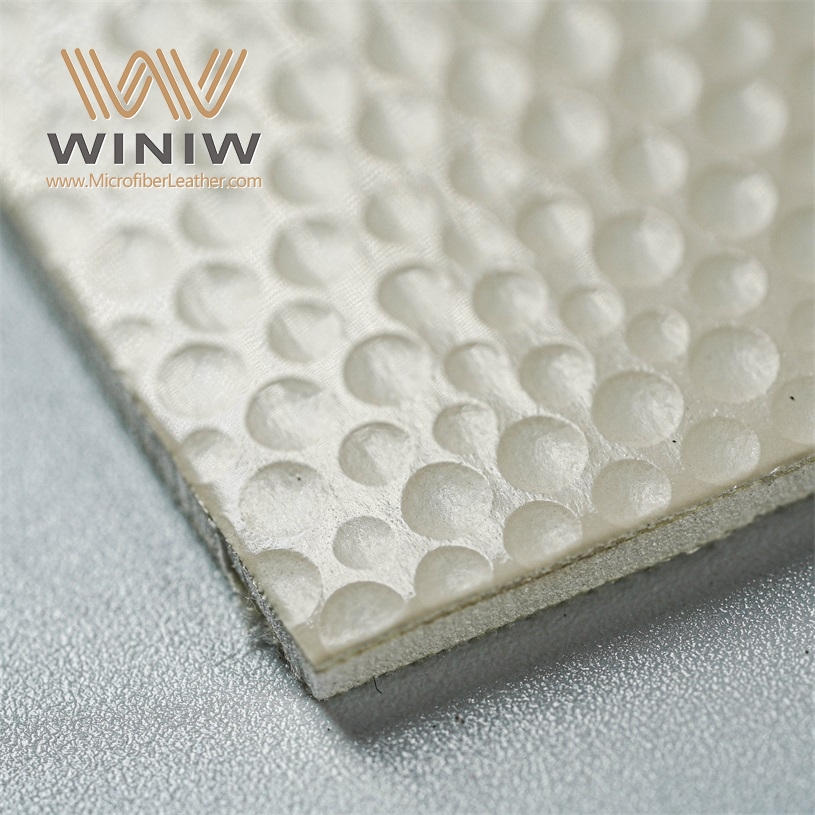
You see synthetic leather footballs built in 2026 using advanced materials and precise methods. Manufacturers use Football Synthetic Leather made from PU or PVC to create a tough and comfortable outer shell. Hybrid construction, which combines stitching with adhesives, ensures strength and consistency. These details improve durability, weather resistance, and overall performance.
The global market size for synthetic leather footballs is part of a $929.93 million industry in 2026.
Synthetic leather footballs in 2026 use advanced materials like PU and PVC for durability and performance. Choose PU for professional play and PVC for budget-friendly options.
Proper care extends the life of your football. Clean it regularly, condition it every few months, and store it in a cool, dry place to maintain its shape and performance.
Innovative construction methods, such as hybrid stitching and thermal bonding, enhance the football's durability and water resistance, ensuring consistent play in all weather conditions.
You might wonder what are soccer balls made of in 2026. Most synthetic leather footballs use advanced materials for the outer layer. The two main types are Polyurethane (PU) and Polyvinyl Chloride (PVC). These materials give you a durable and high-performing ball. When you ask what are soccer balls made of, you find that manufacturers choose PU for professional games and PVC for more affordable options.
Here is a table that shows the main materials used in the outer layer:
|
Material Type |
Description |
Usage in Footballs |
|---|---|---|
|
Polyurethane (PU) |
Soft touch, superior control, weather resistance |
High-end professional games |
|
Polyvinyl Chloride (PVC) |
Stiffer, less responsive, more affordable |
Cheaper models |
If you want to know what are soccer balls made of for different levels of play, you see that PU offers a softer feel and better control. PVC gives you a tougher, more budget-friendly option. Both materials help answer the question: what are soccer balls made of for modern performance and durability.
You need to understand the properties of PU and PVC to see why they matter. When you ask what are soccer balls made of, you learn that PU footballs give you excellent grip, durability, and water resistance. These features make them perfect for all weather conditions. PU also provides a soft touch and great control, which helps you play better in both wet and dry environments.
PVC, on the other hand, is less responsive but very tough. If you want to know what are soccer balls made of for beginners or casual games, you often find PVC. It is more affordable and handles outdoor conditions well, but it can become hard in cold weather or lose shape in heat.
Here is a table comparing durability and water resistance:
|
Material |
Durability |
Water Resistance |
|---|---|---|
|
PU |
Resistant to wear and tear, lasts up to 3-4 years |
Repels water, consistent play in wet conditions |
|
PVC |
Resists scratches, lasts about 1-2 years |
Handles outdoor use, may harden or lose shape in extremes |
When you ask what are soccer balls made of for long-lasting use, PU stands out. It lasts longer and keeps its shape and feel. PVC is a good choice if you want something tough for less money.
PU balls give you:
Superior grip and touch sensitivity
Better performance in all weather
Longer lifespan with proper care
PVC balls offer:
High scratch resistance
Lower cost
Good durability for casual play

You may still wonder what are soccer balls made of beyond the outer layer. The answer includes backing layers and bladders. Backing layers usually use cloth, such as polyester or a poly-cotton blend. Manufacturers bond these layers to the synthetic leather with latex adhesive. This process strengthens the ball, improves durability, and helps it keep its shape and bounce.
Tip: The quality of the backing layer affects how the ball feels and performs during play.
When you ask what are soccer balls made of inside, you find that the bladder is a key part. The bladder holds the air and gives the ball its bounce. Here is a table showing common bladder materials:
|
Material Type |
Description |
|---|---|
|
Latex |
Used in high-end balls for superior performance and feel |
|
Butyl Rubber |
Found in lower-end balls, offers durability at a lower cost |
You see that latex bladders give you a softer touch and better responsiveness. Butyl rubber bladders last longer and need less maintenance. Both types help answer what are soccer balls made of for different levels of play.
Synthetic leather footballs use adhesives to bond the layers together. This method ensures the ball stays strong and keeps its shape, even after many games.
When you compare synthetic leather to natural leather, you see many advantages:
Consistent performance in all weather
Waterproof surface keeps weight and shape steady
Less maintenance needed
Better grip and control for players
Lighter weight and easier cleaning
So, when you ask what are soccer balls made of in 2026, you get a combination of advanced synthetic materials, strong backing layers, and high-quality bladders. These features give you a football that lasts longer, performs better, and suits your playing needs.
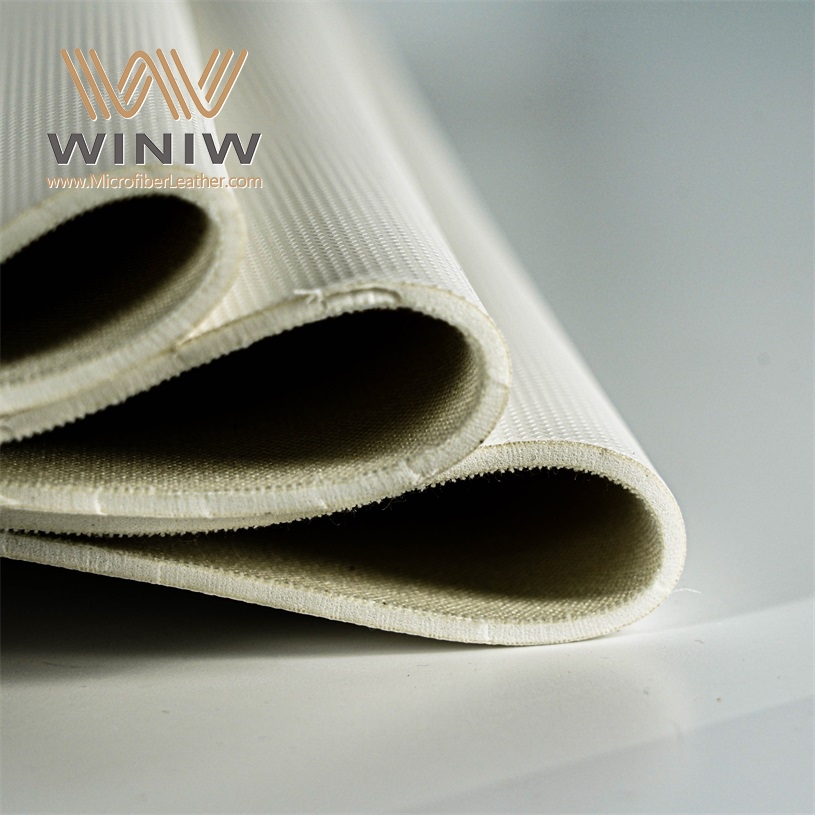
You start the construction of a football synthetic leather by cutting the outer material into precise shapes. Manufacturers use automated dies to cut synthetic leather sheets into pentagons and hexagons. This process ensures every panel matches the exact size and shape needed for a perfect fit. You see this step as the foundation for the ball’s performance and consistency.
Synthetic leather sheets are cut into specific shapes such as pentagons and hexagons.
The cutting process utilizes automated dies for precision.
The shape and size of each panel play a big role in how the ball moves through the air and how it feels during play. You can see the impact of panel design in the table below:
|
Aspect |
Advantages |
Limitations |
|---|---|---|
|
Aerodynamics |
Stable and predictable flight trajectory |
Slight seam visibility may affect touch |
|
|
Reduced drag for longer kicks |
Traditional stitching requires craftsmanship |
|
|
Consistent behavior in various weather conditions |
|
|
Ball Control |
Improved player control during dribbling and passing |
May feel slightly rigid compared to seamless designs |
|
|
Better spin modulation for curved shots |
Requires proper inflation for optimal performance |
|
Durability |
Enhanced performance and longevity |
|
You notice that well-cut panels help the football synthetic leather maintain its shape and flight, giving you a reliable experience every time you play.
After cutting, you move to the assembly of the panels. This step uses a mix of stitching and adhesive bonding, known as hybrid construction. You find several stitching techniques in football synthetic leather manufacturing:
Hand stitched: Skilled craftsmen create strong seams, but these balls absorb more water.
Machine stitched: Machines provide uniform stitching and a consistent shape, but these balls may not reach professional performance levels.
Thermo bonded: Heat bonds the panels, resulting in high durability, water resistance, and improved performance.
Adhesive bonding has become more popular in 2026. You see several benefits from this method:
The absence of stitches in thermo bonded balls reduces water intake, enhancing durability.
Adhesive bonding strengthens internal layers of the football synthetic leather, making the ball last longer.
This method helps the ball retain its original weight, especially in wet conditions.
Ultrasonic technology welds the panels together, ensuring minimal water absorption and a stable weight.
You get a football synthetic leather that performs consistently, even in challenging weather. The hybrid approach combines the best features of traditional and modern methods.
Once the outer shell is ready, you insert the bladder, which gives the ball its bounce and shape. The process follows these steps:
Insert a rubber or latex bladder into the stitched neoprene shell to provide shape and bounce.
Inflate the bladder to the desired pressure using air or a liquid filling.
Close the neoprene shell by hand stitching or sealing the remaining panel openings.
Inspect each ball for any stitching or assembly defects to ensure quality.
You see that careful bladder insertion and sealing help the football synthetic leather keep its roundness and responsiveness. This step ensures the ball feels lively and balanced during play.
The last stage in making a football synthetic leather is surface finishing. Here, you see how the ball gets its glossy look and extra durability. Manufacturers apply special coatings to the outer layer. These glossy finishes do more than make the ball look good. They improve grip and control, especially in wet conditions. Microstructures on the surface help you hold and pass the ball with confidence.
Finishing techniques also affect how the ball handles water and how it plays on the field. The table below shows the effects of different finishing methods:
|
Finishing Technique |
Effect on Water Resistance |
Effect on Playability |
|---|---|---|
|
Hand-stitching |
Can absorb water in wet conditions |
Provides deeper and stronger seams for durability |
|
Thermal bonding |
Creates a seamless finish that resists water |
Offers a more consistent bounce in wet weather |
You benefit from these finishing touches because they make the football synthetic leather easier to handle and more reliable in all conditions.
Tip: Always check the surface finish when choosing a football synthetic leather. A good finish means better grip, longer life, and top performance.
By following these steps, you get a synthetic leather football that meets high standards for durability, consistency, and playability. Each stage, from panel cutting to surface finishing, shapes how the ball performs on the field and how long it lasts in your game bag.
You see major changes in how manufacturers build footballs in 2026. Many companies now focus on sustainability by using eco-friendly materials and green production methods. These steps help reduce the environmental impact of making each football. Some brands use recycled or plant-based materials for the outer layer. Others design their factories to use less energy and water. You benefit from these changes because they make each football safer for the planet.
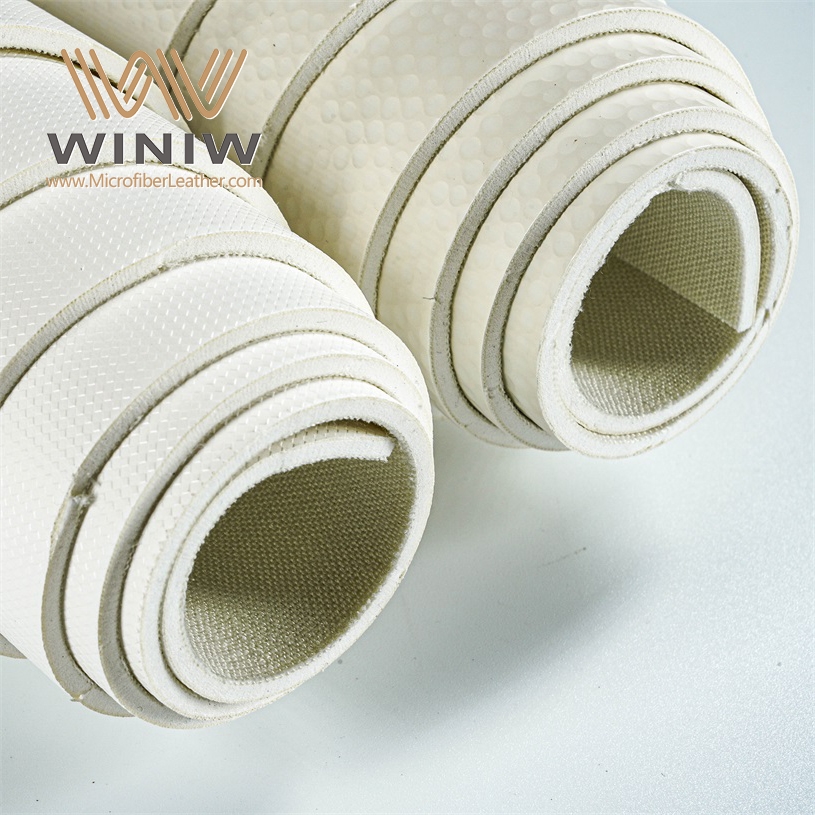
Thermal bonded technology stands out as a key innovation. This method uses heat to bond synthetic leather panels, creating a seamless surface. You get a football with a perfect spherical shape and consistent flight. The advanced surface texturing also improves your control in any weather. These new methods minimize water absorption and maximize durability, so your football performs well after thousands of kicks.
You want a football that lasts and plays well. Manufacturers test each football to meet strict standards. They check for water absorption, shape retention, and rebound consistency. Every football must pass tests for durability and flight. Some companies use innovative panel designs to improve aerodynamics. You notice that these tests ensure your football stays round, bounces right, and flies true during every match.
Note: Rigorous testing means you can trust your football to perform in both practice and competition.
You can extend the life of your football with simple care steps. Clean your football regularly to prevent dirt buildup. Condition it every few months to keep the surface flexible and avoid cracks. Store your football in a cool, dry place away from sunlight. Use a protective cover when not in use. Avoid stacking heavy objects on your football and check it often for damage. These habits help you enjoy the benefits of synthetic leather for a longer time.
|
Care Tip |
Why It Matters |
|---|---|
|
Clean regularly |
Prevents dirt and surface damage |
|
Condition every 2-3 months |
Maintains flexibility and prevents cracks |
|
Store in cool, dry place |
Avoids mold, mildew, and drying out |
|
Use protective cover |
Keeps football in top condition |
You see that proper care and storage protect your football’s shape and performance. This way, you get the most out of every game.
You see synthetic leather footballs in 2026 made with lighter, durable, and water-resistant materials. Modern construction methods improve elasticity and responsiveness. When choosing a football, consider these factors:
Quality and durability
Eco-friendly production
Customization options
|
Benefit |
Description |
|---|---|
|
Lightweight |
Easier handling and faster passes |
|
Easy Maintenance |
Simple cleaning and longer lifespan |

You get better water resistance, easier cleaning, and longer durability. Synthetic leather footballs also keep their shape and weight in all weather.
You should wipe the ball with a damp cloth. Use mild soap if needed. Avoid harsh chemicals. Dry it with a soft towel after cleaning.
You can use them on grass, turf, or indoor courts. Synthetic leather resists abrasion and moisture, so you get reliable performance on most surfaces.
Winiw International Co.,Ltd


Scan to wechat:



 Tel : +86 18150976625
 Email : Market@MicrofiberLeather.com