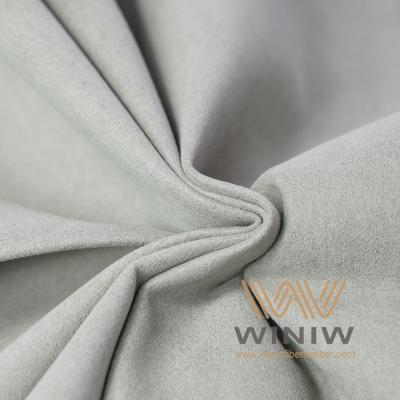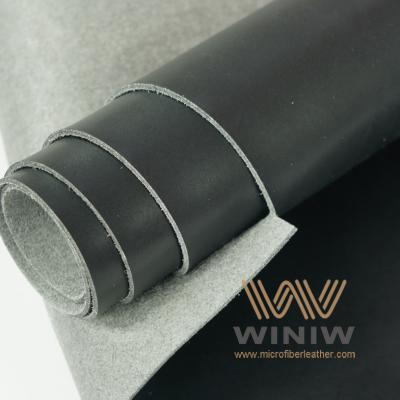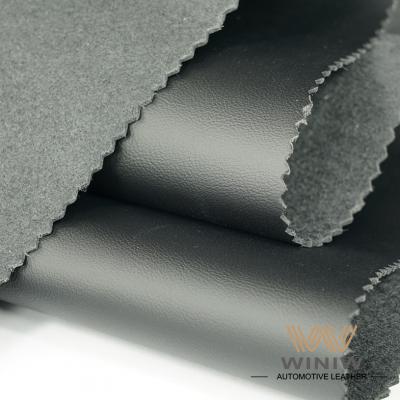
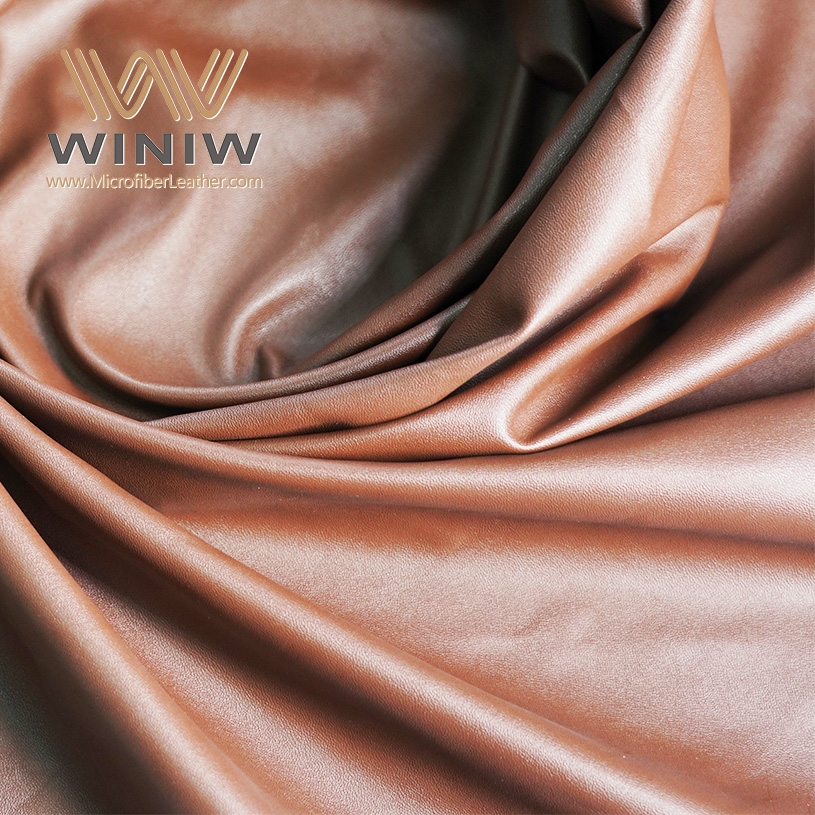
Leather cloth fabric describes material made from either natural animal skins or synthetic alternatives. You will notice leather stands out for its durability, flexibility, and versatility. People choose leather for everyday items like shoes, bags, and furniture because it lasts, feels comfortable, and adapts to different uses.
Leather is tough and long-lasting.
Rising income and fashion demand increase its popularity.
|
Advantage |
Satisfaction Rating |
|---|---|
|
Performance |
85% |
|
Quality vs Affordability |
High Satisfaction |
Leather cloth fabric comes in two main types: genuine leather from animal skins and synthetic leather made from plastic materials. Choose based on your needs and values.
Genuine leather is durable and can last 15 to 25 years, while synthetic leather typically lasts 2 to 5 years. Consider longevity when making your choice.
For everyday items like bags and furniture, leather offers style and comfort. Match the type of leather to your budget and desired quality.
You encounter genuine leather cloth fabric in many premium products. This type of leather comes from animal skins, mainly cowhide, sheepskin, pigskin, and goatskin. Each animal source gives the leather unique qualities. For example, cowhide offers strength and versatility, while goatskin feels soft and works well for luxury items. Sheepskin is lightweight and delicate, making it popular for high-end fashion. Exotic leathers, such as crocodile or ostrich, add unique textures but make up a very small part of the market.
|
Animal Skin |
Percentage of Leather Production |
|---|---|
|
Cowhide |
65% |
|
Sheepskin |
15% |
|
Pigskin |
11% |
|
Goatskin |
9% |
|
Exotic Leathers |
<0.2% |
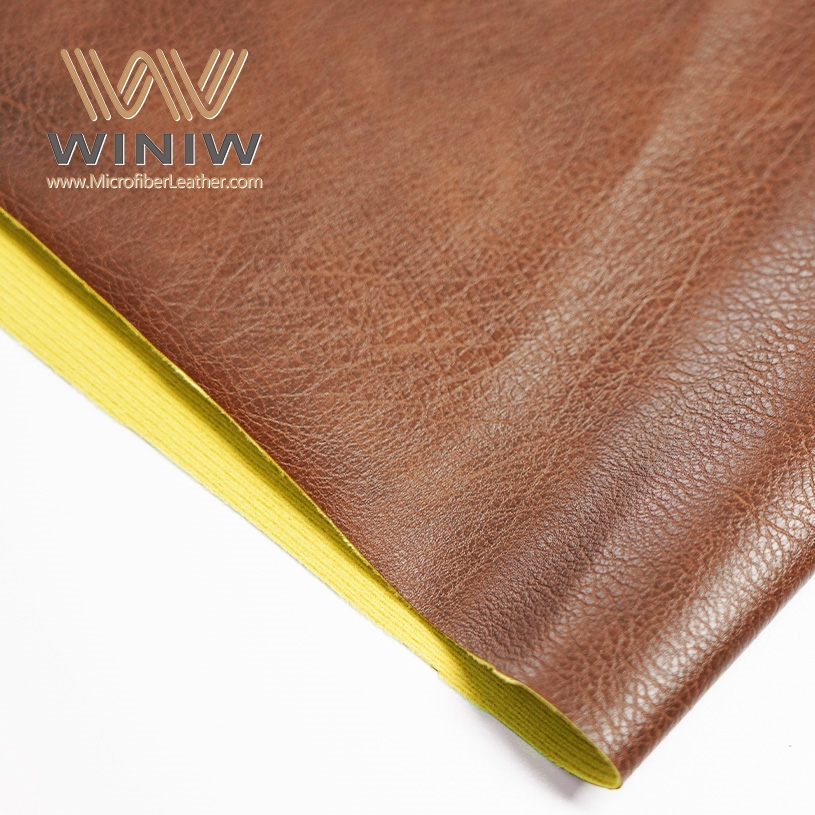
Genuine leather stands out for its durability and ability to improve with age. You will notice that it develops a rich patina over time, which adds character and value. The natural grain and imperfections give each piece a unique look and feel. When you touch genuine leather, you sense its depth and warmth. The smell is earthy, not chemical. This leather fabric absorbs water and feels comfortable against the skin.
Manufacturers use several categories of genuine leather, including:
Full grain leather: The highest quality, made from the entire grain layer.
Top grain leather: Sanded for a smooth texture, balancing quality and affordability.
Split leather: Created from the lower layers, often used for suede.
Bonded leather: Made from scraps, less durable but more affordable.
Genuine leather fabric offers impressive strength and flexibility. For example, calfskin samples show a modulus of elasticity of 72 N/mm². This means the material can stretch and return to its original shape, making it ideal for shoes, bags, and furniture. You can expect genuine leather to last 15 to 25 years, resisting tears and developing more beauty with use.
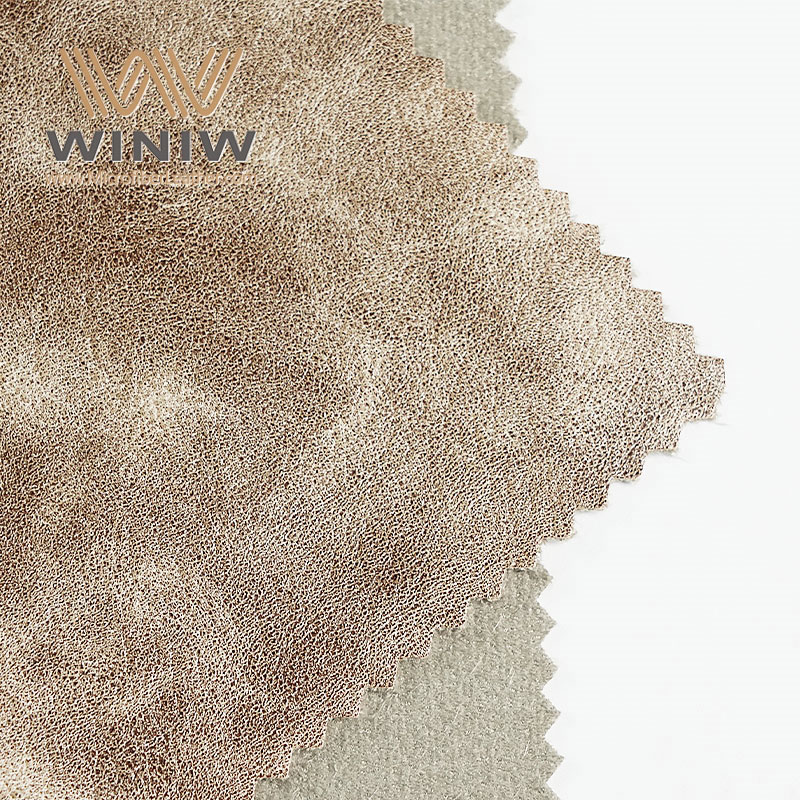
Synthetic leather cloth fabric, often called faux leather, uses plastic-based materials instead of animal skins. Vynide is a popular example. Manufacturers create Vynide by layering colored, grained plastic over a thin woven cotton backing. This process gives the fabric a leather-like appearance but does not allow much stretch. Vynide works well for seating and trim work, especially in cars and furniture.
|
Material |
Description |
|---|---|
|
Vynide |
Colored grained plastic with thin woven cotton backing; does not stretch well. Used for seating and trim work. |
|
PVC |
Thin, colored, and grained unsupported plastic; used for trim panels; cheap but not as strong as vinyl or leather cloth. |
You will find synthetic leather in many everyday products, such as jackets, shoes, bags, and upholstery. Faux leather offers a smooth, uniform surface and comes in many colors and textures. It does not have the natural imperfections of genuine leather. The smell is often plastic or chemical, and the material does not absorb water.
Recent advances in technology have improved synthetic leather. Manufacturers now use materials like polyurethane (PU) and even plant-based alternatives. Mycelium leather, made from fungi, and pineapple leather (Piñatex®) offer new options with lower environmental impact. These innovations make synthetic leather more durable, flexible, and eco-friendly.
You need to understand the main differences between genuine and synthetic leather cloth fabric before choosing the right one for your needs.
Source: Genuine leather comes from animal skins. Synthetic leather uses plastic-based materials like Vynide, PVC, or PU.
Appearance and Texture: Genuine leather shows natural grain, imperfections, and develops a patina. Synthetic leather looks uniform and flawless but lacks depth and warmth.
Durability: Genuine leather lasts 15 to 25 years and improves with age. Synthetic leather usually lasts 2 to 5 years and may peel or crack over time.
|
Material |
Lifespan (Years) |
Durability Characteristics |
|---|---|---|
|
Genuine Leather |
15 - 25 |
Improves with age, resists tearing, develops a patina, can be repaired |
|
Synthetic Leather |
2 - 5 |
Peeling occurs, limited durability, deterioration is destructive |
Environmental Impact: Genuine leather production uses a lot of water and energy and releases greenhouse gases. The tanning process involves chemicals that can pollute the environment. Synthetic leather, especially plant-based types, has a lower carbon footprint and uses less water. However, petroleum-based synthetics can contribute to plastic pollution.
Health and Safety: Genuine leather is a byproduct of the meat industry but requires chemical treatments. Synthetic leather may contain harmful substances like heavy metals, which can cause health issues if used in products that touch the skin.
Tip: When you want a product that lasts and gains character, choose genuine leather. If you prefer animal-free options or need a budget-friendly choice, synthetic leather like Vynide works well.
You will see both types of leather fabric in daily life. Your choice depends on your values, needs, and the specific application.
You see leather cloth fabric everywhere in fashion and accessories. Leather goods like bags, belts, and footwear dominate the high-end market. You choose leather for its timeless appeal and durability. Nearly 67% of demand in the apparel and leather products market comes from luxury fashion, footwear, and lifestyle products. Leather fabric gives you a luxury feel and versatility. You find natural leather in jackets, wallets, and gloves. Faux leather fabric offers a budget-friendly option for shoes and outerwear. High-quality leather stands out in designer collections, while tanning creates unique textures and colors. You select leather goods for their strength and style.
Bags
Belts
Footwear
Jackets
Wallets
Gloves
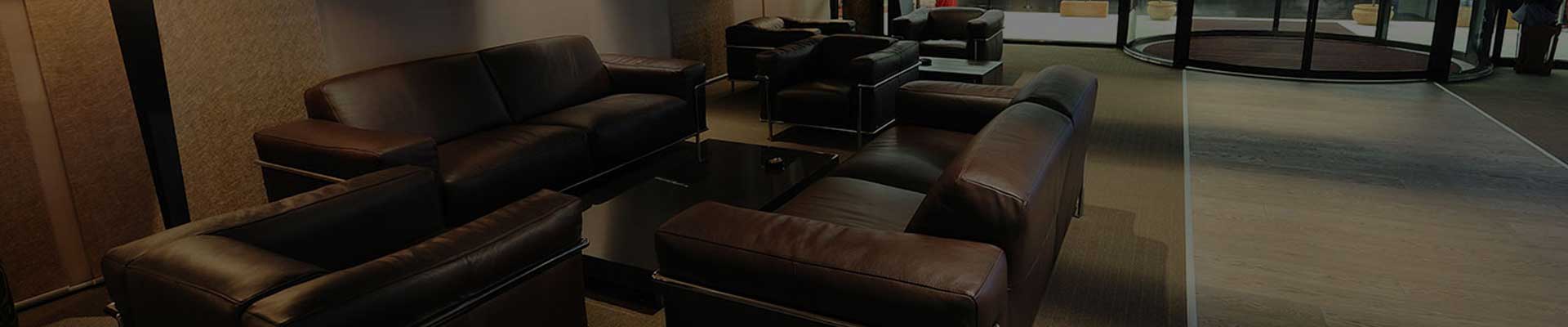
Leather cloth fabric plays a major role in home décor. You notice leather upholstery on sofas, chairs, and ottomans. Leather fabric adds comfort, style, and durability to your living space. You also see leather in automotive upholstery for car seats and armrests. The tanning process gives leather furniture a rich look. You clean leather easily and avoid odors that fabric traps. Leather goods in furniture last longer and resist stains.
|
Product Type |
Advantages |
|---|---|
|
Sofas |
Luxurious, elegant, and durable |
|
Chairs |
Comfortable, long-lasting upholstery |
|
Ottomans |
Enhances aesthetic appeal and durability |
|
Automotive Upholstery |
Durable, comfortable, and stylish |
You need to match leather fabric to your specific needs. Consider durability, cost, and appearance. Genuine leather lasts decades, while synthetic options offer affordability. You use high-quality leather for luxury items and faux leather fabric for outdoor or commercial use. Leather requires conditioning and careful cleaning. Fabric needs more upkeep and traps allergens. You avoid mistakes by balancing color and texture in your space. Leather goods should not make rooms feel cold or monotone.
|
Feature |
Genuine Leather |
Synthetic Leather |
|---|---|---|
|
Durability |
Very durable |
Less durable |
|
Cost |
Expensive |
More affordable |
|
Sewability |
Needs special tools |
Easy to sew |
|
Care & Cleaning |
Conditioning needed |
Low-maintenance |
|
Applications |
High-end items |
Outdoor/commercial |
Tip: Blot spills immediately and condition leather every 6-12 months. Use a soft cloth for dusting and avoid harsh chemicals.
Leather cloth fabric gives you options for every lifestyle. You select leather goods for their lasting value and natural beauty. The tanning process and careful maintenance keep your leather fabric looking its best.
You now understand that leather cloth fabric comes in genuine and synthetic forms. Knowing the differences helps you choose leather that fits your lifestyle. Leather offers durability, style, and ethical options. You see leather in fashion, furniture, and accessories. Consider your needs and preferences before selecting leather for everyday use.
Choose leather for long-lasting value.
Match leather type to your budget and style.
You should use a soft, damp cloth for regular cleaning. For stains, choose a mild soap. Avoid harsh chemicals to keep your leather looking new.
Yes, you can use synthetic leather outdoors. It resists moisture and sunlight better than genuine leather. Always check the manufacturer's care instructions for best results.
Genuine leather feels warm and has a natural grain. Synthetic leather looks uniform and often smells like plastic. You can check the label for material details.
Winiw International Co.,Ltd


Scan to wechat:



 Tel : +86 18150976625
 Email : Market@MicrofiberLeather.com