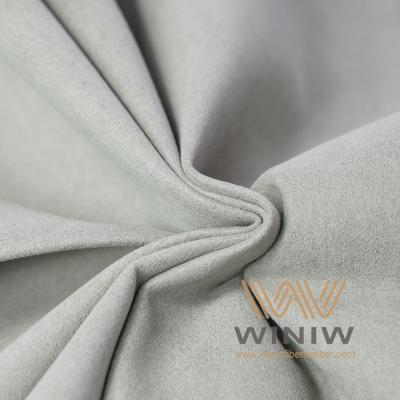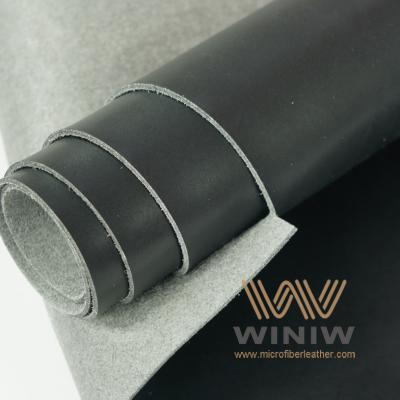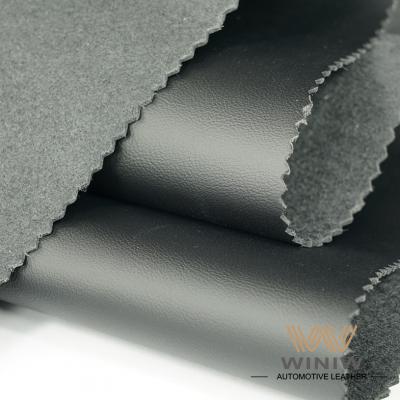
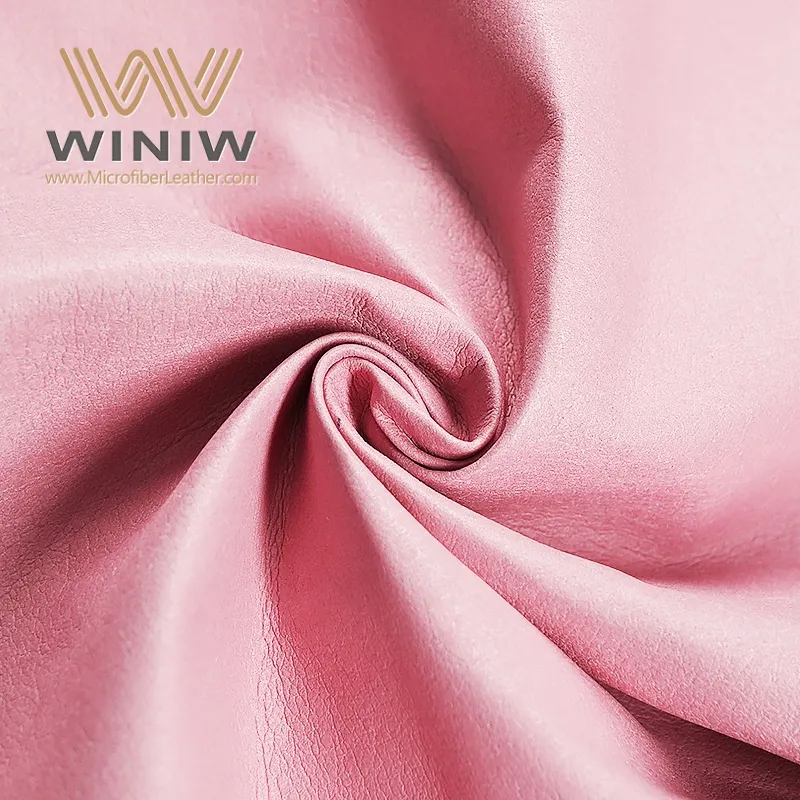
You see pu leather upper used widely in shoes and accessories. This synthetic material, also known as polyurethane leather, offers a vegan option for those who value animal-free products and often wonder how to tell if it is vegan leather. Many choose pu leather for its affordability, as it usually costs less than genuine leather but more than some other synthetics. If you want to know how to identify pu leather, look for its smooth texture and flexibility. The footwear segment alone accounted for over 29% of the global synthetic leather market in 2024, showing strong demand for pu. Understanding how to identify pu leather and its benefits helps you make informed choices.
PU leather is a vegan-friendly alternative to real leather, offering affordability and easy maintenance. It allows you to enjoy stylish products without animal products.
The manufacturing process of PU leather involves coating a fabric base with polyurethane, resulting in a durable and water-resistant material suitable for various footwear and accessories.
While PU leather is cost-effective and easy to clean, it may not last as long as real leather and can be less breathable. Consider these factors when choosing your products.
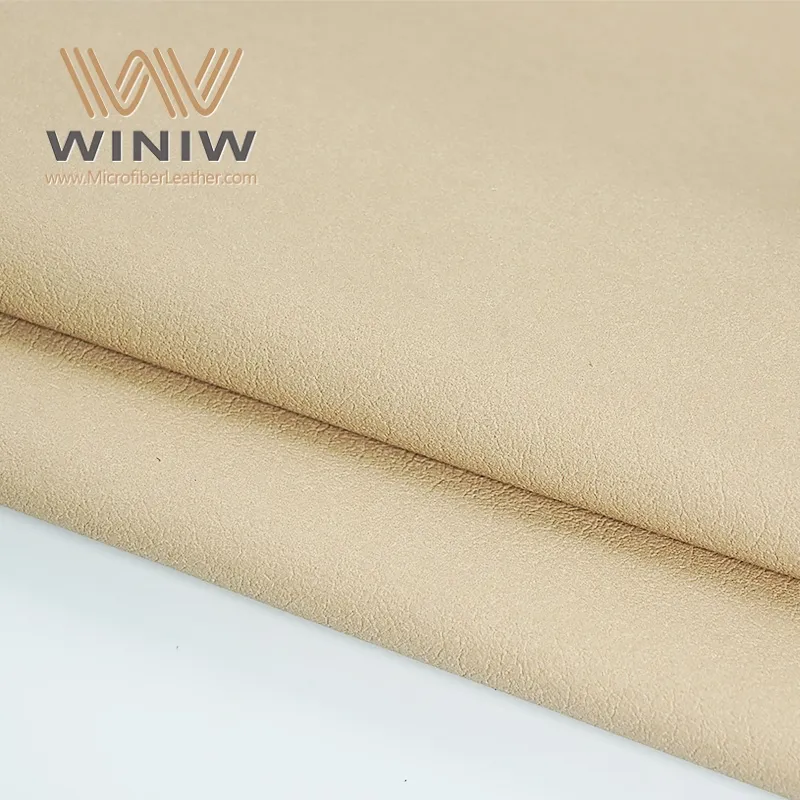
You may wonder what makes a pu leather upper different from other materials. This term describes the top part of a shoe or accessory made from polyurethane leather, a synthetic material designed to look and feel like real leather. Manufacturers create pu leather by coating a fabric base, often polyester or cotton, with a flexible layer of polyurethane. This process gives the material a smooth, consistent surface that mimics the appearance of animal leather but does not use any animal products. You get a vegan-friendly option that appeals to those who want cruelty-free fashion.
The synthetic nature of pu leather means you can enjoy a product that resists water and stains better than many natural leathers. You also benefit from a lightweight feel, which makes shoes and accessories more comfortable for daily use. Because pu leather does not require animal hides, it offers a more affordable alternative to genuine leather. This affordability allows you to access stylish designs without a high price tag.
You see pu leather uppers in a wide range of footwear and accessories. The uses of pu leather span from casual to formal styles, making it a popular choice for many brands. Here are some of the most common items that feature this material:
Stylish sneakers that combine comfort and trendiness for everyday wear.
Boots designed for durability and weather resistance, perfect for outdoor activities.
Sandals that offer a lightweight and flexible option for warm weather.
Running and athletic shoes that need shock absorption and easy maintenance.
Work and industrial boots that require abrasion resistance and long-lasting performance.
Fashion and dress shoes that provide an affordable alternative to real leather.
Hiking and outdoor shoes that benefit from water resistance and reliable traction.
You also find pu leather in accessories such as belts, bags, and wallets. These items use the material for its sleek appearance and easy cleaning. Many people choose pu leather for rain boots and winter wear because it resists water and keeps feet dry. The uses of pu leather continue to grow as manufacturers look for materials that balance style, comfort, and practicality.
Tip: If you want shoes or accessories that are easy to clean and maintain, pu leather offers a practical solution. You can simply wipe away dirt or spills with a damp cloth.
Manufacturers select pu leather uppers for several reasons. You get products that are comfortable and stylish for everyday use. The material stands up to weather and wear, making it ideal for outdoor footwear. Athletic shoes benefit from the lightweight and cushioned feel of pu. Fashion-forward designs use pu leather for its sleek look and easy care. You can enjoy a wide variety of choices without sacrificing quality or style.
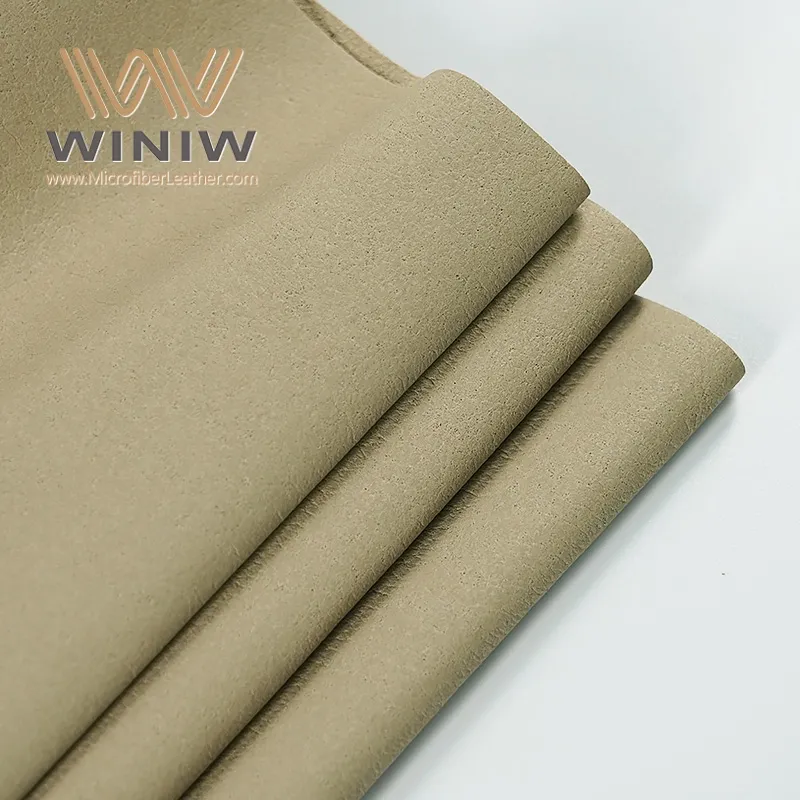
You might wonder, how is pu leather made? The answer lies in a carefully controlled, industrial process that combines science and technology. Manufacturers use advanced machinery to create large sheets of material that look and feel like real leather. This process allows you to enjoy products that are affordable, stylish, and animal-free.
The production process of pu leather starts with selecting the right raw materials. You see a combination of synthetic and natural components. Here is a table showing the main materials used:
|
Raw Material |
Type |
|---|---|
|
Polyurethane |
Synthetic |
|
Nylon |
Backing |
|
Cotton |
Backing |
|
Vinyl |
Backing |
You find that the choice of backing fabric affects the quality and feel of the final product. Manufacturers use several types of backing fabrics to meet different needs:
Non-woven backing fabrics give you lightweight and breathable options. These work well for mid-range and budget-friendly items.
Knitted fabric backing feels soft and stretchy. You see this in high-end products like sports balls.
Polyester fabric backing offers strong wear resistance and stability. This is common in footwear and luggage.
Cotton fabric backing provides comfort and breathability. You find this in luxury items, but it does not last as long as polyester.
Special functional backing fabrics include flame-retardant and eco-friendly choices. These serve special market demands.
You can see how the selection of backing fabric influences the performance and price of pu leather upper products.
You may ask, how is pu leather made in factories? The production process of pu leather involves several key steps. Each step ensures that the final material meets high standards for appearance and durability.
Raw material preparation: You start with polyurethane resins, additives, and the chosen fabric backing.
Coating: Machines apply a layer of pu resin to the fabric. This can happen through direct coating or lamination.
Drying and curing: The material passes through heated chambers. This removes solvents and allows the resin to form a stable layer.
Surface treatment: You see processes like embossing and printing. These steps add texture and patterns to mimic real leather.
Finishing: Workers add final touches, such as extra coatings or polishing, to improve durability and shine.
Cutting and assembly: The pu leather gets cut into shapes and assembled into shoes, bags, or other products.
Quality control: Inspectors check the finished items to make sure they meet industry standards.
The production process of pu leather combines a fabric base with a polyurethane coating. This method gives you a material that balances durability, style, and cost. Manufacturers can choose different base fabrics and surface treatments to create a wide range of looks and feels.
During manufacturing, several chemicals and treatments help achieve the desired properties. Here is a table showing some of the main chemicals used:
|
Chemical |
Purpose |
|---|---|
|
Polyurethane Resin |
Core component, produced from isocyanates and polyols. |
|
Solvent |
Dissolves PU resin and additives for coating; includes alcohols, ethers. |
|
Plasticizer |
Enhances flexibility; includes phthalate and non-phthalate types. |
|
Catalyst |
Accelerates reactions; includes tin-based and organic catalysts. |
|
Crosslinking Agent |
Forms bonds between molecules, improving mechanical properties. |
|
Filler |
Improves performance, enhances abrasion resistance, reduces costs. |
You see that each chemical plays a role in making the material flexible, strong, and attractive.
The final look and feel of pu leather depend on surface treatments. Manufacturers use techniques like spraying protective agents, dyeing, and polishing. These steps give the material a smooth or textured finish, depending on the design. Embossing can add grain patterns that make the surface look like animal leather. Dyeing lets you enjoy a wide range of colors, from classic black to bright fashion shades.
Surface treatments also improve durability. You get better abrasion resistance, which means your shoes or bags last longer. Some treatments protect against water and yellowing, so the material stays fresh and clean. The result is a versatile product that fits many styles and uses.
Note: The production process of pu leather uses petroleum-based chemicals. This means the material is vegan, but it does involve some environmental concerns, such as the release of volatile organic compounds (VOCs) during manufacturing. You may want to consider these factors when choosing between pu leather upper and other materials.
You now understand how factories turn raw materials into stylish, durable, and affordable polyurethane leather products. The process gives you many choices for shoes and accessories that match your values and lifestyle.
When you consider the pros and cons of pu leather, you will notice several strong advantages of pu leather. First, cost savings stand out. You can see the difference in the table below:
|
Factor |
PU Leather Handbag |
Real Leather Handbag |
|---|---|---|
|
Average Price |
$30 – $120 |
$200 – $1,500+ |
|
Lifespan |
1–3 years |
5–20+ years |
|
Maintenance Needs |
Low (wipe clean) |
Moderate (conditioning, storage) |
You pay much less for a pu leather upper product than for real leather. This makes pu leather a smart choice if you want style on a budget. You also benefit from easy care. You can wipe pu leather clean with a damp cloth, so you spend less time on maintenance.
Another benefit of pu leather is its vegan and cruelty-free status. You do not need to worry about animal products. Many people choose pu because they care about animal welfare. The production of pu leather also has a lower carbon footprint than genuine leather, which appeals to environmentally conscious buyers.
Mass production is another advantage of pu leather. Factories can make large quantities quickly, so you get more choices in color, texture, and design. The benefits of pu leather include affordability, easy care, and ethical appeal.
You should also consider the cons and drawbacks of pu leather. One of the main disadvantages of pu leather is durability. Many people ask, is pu leather durable? While pu leather can look good at first, it does not last as long as real leather. Polyurethane coatings can develop hairline cracks and start to peel within 18 months. This problem, called hydrolysis-related failure, often leads to larger cracks and flaking.
"Although not common, it has come to our attention that some of our customers are reporting that, over time, certain Durablend® products have experienced cracking, peeling and flaking."
Another drawback of pu leather is breathability. Shoes and accessories made from pu may not let your skin breathe as well as real leather. This can make them less comfortable in hot weather.
Environmental impact is also a concern. Even though pu leather is vegan, it uses petroleum-based chemicals. The production process can release volatile organic compounds, which affect air quality.
If you wonder, is pu leather durable for daily use, you may find that it works well for a short time but does not match the lifespan of real leather. The cons of pu leather include possible cracking, lower breathability, and environmental drawbacks. You should weigh these disadvantages of pu leather before making a purchase.
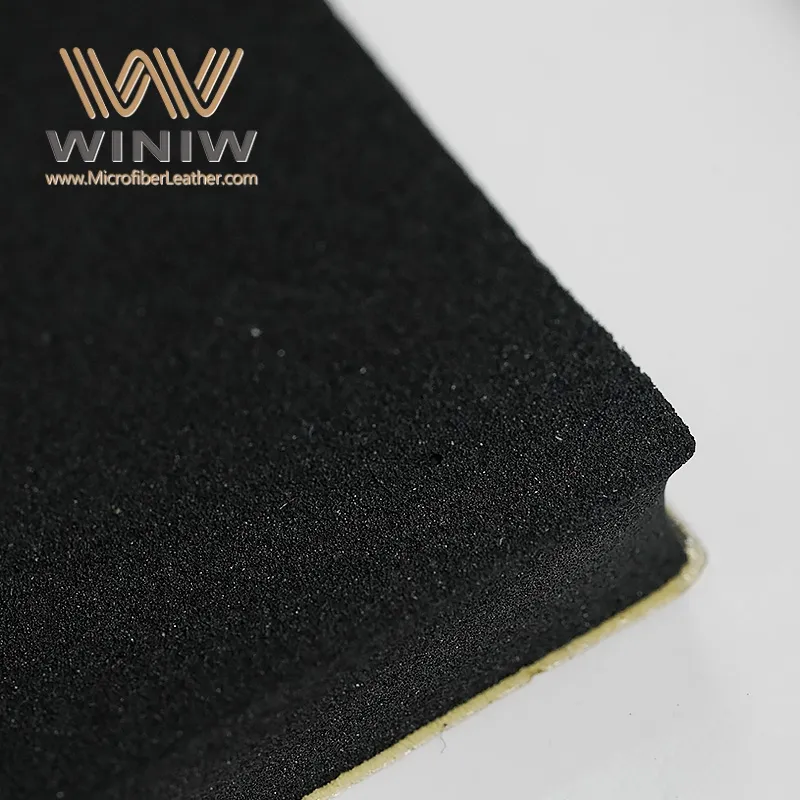
When you compare pu leather upper to real leather, you notice clear differences in texture and look. Pu leather gives you a uniform surface with consistent coloring. Real leather shows natural grain variations and small imperfections. Over time, real leather develops a unique patina, while pu leather keeps its factory appearance. If you inspect the edge, pu leather reveals a fabric backing, but real leather shows fibrous layers.
|
Characteristic |
PU Leather |
Real Leather |
|---|---|---|
|
Texture |
Uniform texture |
Natural grain variations |
|
Appearance |
Consistent coloring |
Small imperfections |
|
Aging |
Maintains factory appearance |
Develops unique patina |
|
Edge Inspection |
Reveals fabric backing |
Shows fibrous layers |
You also feel a difference when you touch each material. Real leather feels warm, stretches, and wrinkles like skin. Pu leather feels cold and returns to its original shape after bending.
|
Feature |
Real Leather |
PU Leather |
|---|---|---|
|
Temperature |
Feels warm to the touch |
Feels cold |
|
Stretch and Wrinkle |
Stretches and wrinkles like skin |
Returns to original shape |
You may wonder about the differences between real leather and artificial leather in daily use. Pu leather requires less care and does not need conditioning. Real leather needs regular maintenance. Pu leather has a non-porous surface, so it does not breathe as well. Real leather is porous and develops a patina over time. In high-contact areas, pu leather is less resilient and may wear out faster. Real leather lasts longer if you care for it properly.
|
Feature |
PU Leather |
Genuine Leather |
|---|---|---|
|
Care Requirements |
Requires less care, no conditioning |
Requires regular maintenance |
|
Surface Quality |
Non-porous, does not breathe |
Porous, develops patina over time |
|
Resilience to Wear |
Less resilient in high-contact areas |
More resilient, better for outdoor use |
|
Longevity |
Generally shorter lifespan |
Longer lifespan with proper care |
For water resistance, pu leather stands out. It keeps your feet dry and works well for everyday wear. Real leather is more prone to water damage. Pu leather also offers excellent flexibility and moves naturally with your foot. Real leather can deform in humid environments.
Pu leather is recognized for its water resistance and is suitable for everyday wear.
Genuine leather is more prone to water damage compared to pu leather.
Synthetic leather, including PVC, is generally more water-resistant than natural leather.
You might care about the environmental effects of your choices. Synthetic leather, including pu leather, has a lower carbon footprint than real leather. Cow skin leather production creates about 110 kg CO2e per square meter. Real leather after processing drops to 17 kg CO2e, while synthetic leather is about 15.8 kg CO2e.
Real leather production uses about 240 liters of water per square meter. Cow skin leather needs 14 times more water and much more land than synthetic options. Pu leather, made from a plastic polymer, can sometimes be recycled. Real leather, as a natural material, usually cannot be recycled in the same way. Pu leather is not biodegradable, which makes disposal harder. Real leather breaks down naturally over time.
Pu leather is made from a plastic polymer, which means it can sometimes be recycled.
Real leather, being a natural material, typically has different disposal methods that may not include recycling.
Pu leather has non-biodegradable properties, complicating its disposal.
Real leather, being biodegradable, has a different environmental impact when disposed of.
You can keep your pu leather upper looking new with the right cleaning routine. Start by dusting the surface with a dry or slightly damp lint-free cloth. This removes dirt and prevents buildup. For deeper cleaning, use a mild soap and water solution with a soft cloth. Avoid harsh chemicals and rough scrubbing, as these can damage the polyurethane coating. Regular cleaning, especially in areas that touch skin and hair, helps prevent cracking and stickiness.
Tip: Apply a PU Protector every 3 to 6 months to clean and protect the surface. This keeps the material smooth and glossy.
When learning how to clean pu leather, remember to avoid traditional leather care products. Items with waxes and oils can harm the surface. Instead, choose products made for pu, such as Geist PU protector. Cleaning pu leather with the right products extends its life and keeps it looking its best.
Proper maintenance and storage help you get the most from your pu leather items. Store your shoes or accessories in a cool, dry place away from direct sunlight and heat. This prevents discoloration and degradation. Use dust bags for extra protection during long-term storage. Avoid plastic bags, as they trap moisture and can cause damage. Choose breathable garment bags instead.
Regular cleaning and careful storage prevent cracking and peeling. Minimize exposure to harsh elements to maintain durability. With these steps, you can enjoy your pu leather for years. If you want to know how to clean pu leather and keep it in top shape, follow these simple habits.
You now understand that pu leather upper uses a synthetic process to create affordable, vegan products. Review the table below for key points:
|
Advantages |
Disadvantages |
|---|---|
|
Animal-free, easy to clean |
Prone to cracking |
|
Affordable |
Less breathable |
|
|
Environmental concerns |
Choose pu leather when you want style, easy care, and lower cost. Consider breathability, durability, and sustainability before deciding. Recent trends show pu leather evolving with bio-based options and customization, meeting your changing preferences.
You find PU leather softer and more flexible. PVC leather feels stiffer and heavier. PU leather also breathes better, making it more comfortable for shoes.
You can use PU repair kits for small cracks. These kits help restore appearance, but deep cracks may not disappear completely.
You get good water resistance with PU leather. It repels most spills and light rain. Extended exposure to water can still cause damage.
Winiw International Co.,Ltd


Scan to wechat:



 Tel : +86 18150976625
 Email : Market@MicrofiberLeather.com