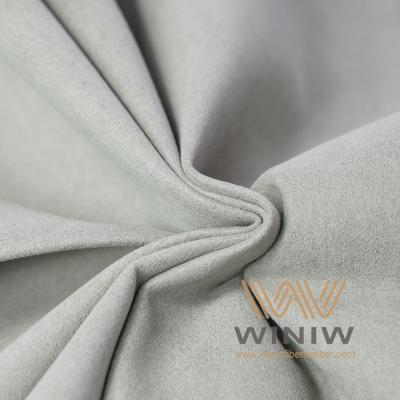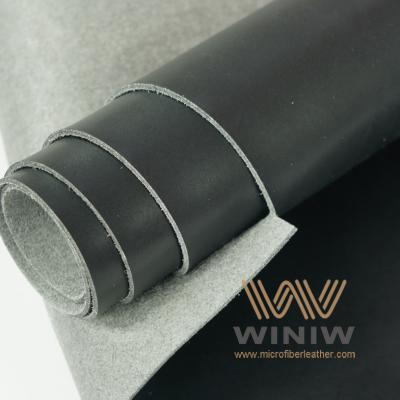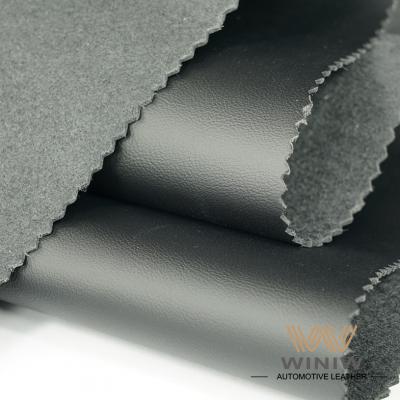
Shopping for a synthetic leather football can feel overwhelming with so many choices. You want a ball that fits your style, feels right in your hands, and works for any american football match. Check out some key reasons players pick their footballs:
|
Factor |
Why It Matters |
|---|---|
|
Affordability |
Saves money |
|
Water Resistance |
Handles wet fields |
|
Vegan-Friendly Appeal |
No animal products |
|
Consistent Quality |
Reliable play |
|
Easy Maintenance |
Quick clean-up |
|
Durability |
Lasts many games |
|
Environmental Impact |
Eco-friendly choice |
Choose synthetic leather footballs for their durability and easy maintenance. They last longer and require less care than genuine leather.
Select the right football size based on age and skill level. Using the correct size improves control and reduces the risk of injury.
Look for features like water resistance and grip. These qualities enhance performance in various weather conditions and help you play confidently.
When you pick out a synthetic leather football, you want to know what makes it stand out. This type of ball brings a lot to the table, especially if you play american football for fun or in a match. You get a mix of value, toughness, and easy care. Let’s break down the key features that make these footballs a smart choice:
|
Advantage |
Description |
|---|---|
|
Durability |
Synthetic leather footballs are designed for long-lasting performance and reliability. |
|
Weather Resistance |
The material offers consistent performance in different weather conditions and resists moisture. |
|
Affordability |
Requires less maintenance compared to genuine leather, saving time and effort. |
You can see why so many players choose this type of ball. You get a football that lasts through rough games and tough weather. You also save money because you don’t need to spend much time or cash on upkeep.
Recent innovations have made synthetic leather footballs even better. Check out some of the latest improvements:
|
Innovation Type |
Benefits |
|---|---|
|
Durability, water resistance, aesthetic appeal |
|
|
Glossy finish, enhanced durability |
|
|
Technological Advancements |
Improved elasticity, rebound, responsiveness, enhanced aerodynamic properties |
You get a ball that feels good in your hands and looks sharp on the field. These upgrades help you play your best, whether you’re practicing or playing in a match.
If you wonder how long your football will last, here’s a quick look at the average lifespan:
|
Type of Football |
Lifespan under Regular Use |
|---|---|
|
Synthetic Leather |
4 to 12 months |
|
Rubber |
Up to 18 months |
|
Leather |
2 to 3 seasons |
Synthetic leather footballs give you a solid balance between price and durability. You get enough time to enjoy your ball before thinking about a replacement.
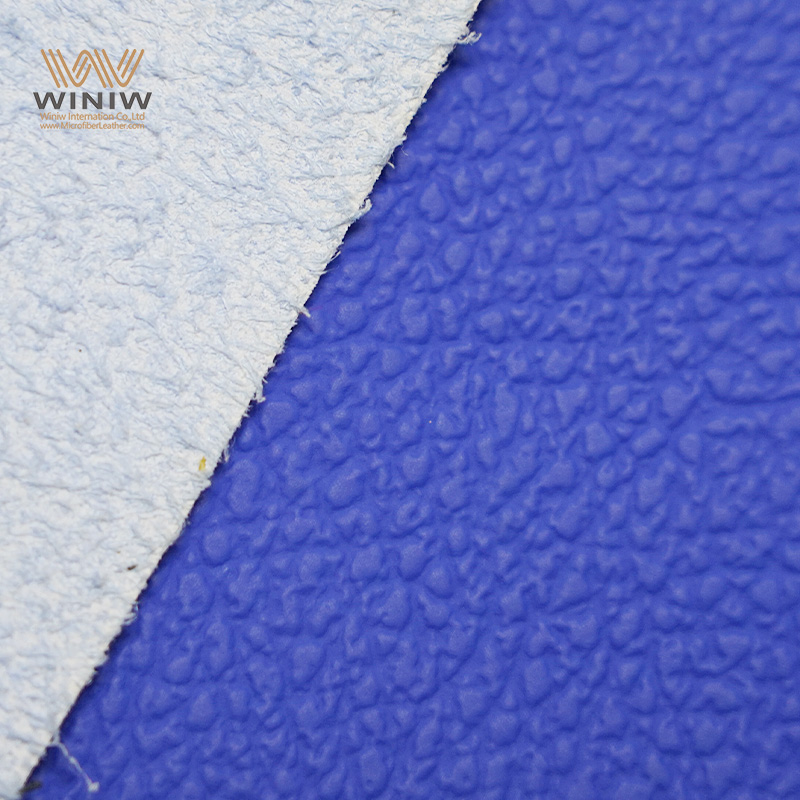
You want a football that feels right and gives you control. The texture and grip of a synthetic leather football make a big difference, especially if you’re just starting out or play casually. These balls are built for durability and offer a consistent grip. That means you can focus on your throws and catches without worrying about the ball slipping out of your hands.
Genuine leather footballs do give you a bit more grip and a special feel. They help you develop skills and connect with the ball. But they need more care and don’t hold up as well in wet weather. For most players, especially beginners, synthetic leather footballs are the better pick.
Moisture resistance is another big win. Here’s why it matters:
PU material is known for excellent water resistance, so your ball keeps its shape and weight even in heavy rain.
Polyurethane coatings stop water from soaking in and keep the ball’s bounce and feel.
The structure of synthetic leather absorbs less water than natural leather, so you get steady performance on wet fields.
Lab tests show synthetic materials work better in the rain, giving you better grip and handling.
You can play american football in almost any weather and trust your ball to perform. You don’t have to worry about a soggy, heavy ball ruining your game.
When you look at all these benefits, it’s clear why so many players choose synthetic leather footballs. You get control, durability, and a ball that stands up to the elements. That’s a winning combo for any player.
Choosing the right football size makes a big difference in your game. You want a ball that matches your age and skill level. If you pick a ball that’s too big or heavy, you might struggle to control it. For younger players, using a regulation ball can even lead to injuries. Smaller muscles have a hard time kicking a heavy ball, and getting hit by one can hurt!
Here’s a quick look at football sizes by age:
|
Soccer Ball Size |
Circumference |
Weight |
Age Group |
|---|---|---|---|
|
1 |
18-20 inches |
200-250 grams |
All ages (skills) |
|
2 |
20-22 inches |
250-280 grams |
3-5 years |
|
3 |
23-24 inches |
300-320 grams |
5-8 years |
|
4 |
25-26 inches |
350-390 grams |
8-12 years |
|
5 |
27-28 inches |
410-450 grams |
13 and older |
Tip: Always check the label before you buy. The right size helps you play better and stay safe.
You might wonder why size matters so much. A smaller football lets young players learn skills faster. It’s easier to dribble, pass, and shoot. As you get older, you move up to bigger balls. This helps you build strength and control. For american football, the right size means better grip and more accurate throws.
If you play with the wrong size, you could develop bad habits. You might also risk injury. Stick with the recommended size for your age and skill. You’ll enjoy the game more and improve faster.
When you shop for a football, you want to know how the material affects your game. Synthetic leather and genuine leather both have unique features. Here’s how they stack up:
Leather footballs give you great durability and comfort. They mold to your hand over time, which many professional players love.
Synthetic leather footballs feel lighter and cost less. You can break them in quickly, so you spend less time getting used to the ball.
Leather offers natural breathability and a rugged build. Synthetic options resist water better and stay lighter in wet conditions.
If you want a ball that’s easy to clean, synthetic leather is the way to go. Genuine leather needs more care, like drying and using special balm to prevent cracking.
Note: Synthetic leather footballs usually require less maintenance. You can wipe them clean, and they don’t soak up water like genuine leather.
When you think about environmental impact, synthetic leather has a lower carbon footprint and uses less water. Genuine leather production often leads to pollution and higher resource use.
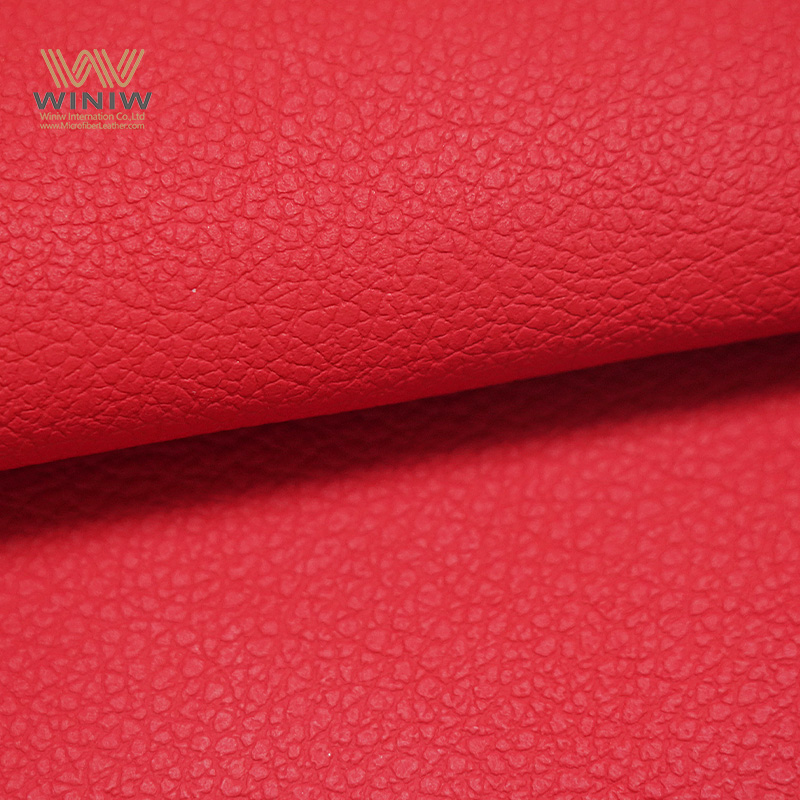
You’ll see different types of synthetic materials in american footballs. PU leather stands out for its balance of durability and feel. Check out this quick comparison:
|
Material |
Durability |
Feel |
|---|---|---|
|
PU Leather |
Relatively durable, may wear down over time |
Soft, flexible, breathable |
|
Less durable, prone to cracking |
Less breathable, less comfortable |
|
|
Varies in durability |
Mimics genuine leather, varies in feel |
PU leather gives you a soft touch and good flexibility. It works well for both casual and match play. PVC leather costs less but can crack and feel stiff. Faux leather tries to copy the look and feel of real leather, but quality can vary.
If you want a football that balances performance, easy care, and eco-friendly features, synthetic leather—especially PU—makes a smart pick for most players.
When you pick out an american football, you want to know what’s inside. The bladder is the part that holds the air and gives the ball its bounce. You’ll find three main types in synthetic leather footballs:
Latex: You get a higher bounce and a softer feel. These bladders cost less, but you’ll need to pump them up more often. They work best for casual games or practice.
Synthetic Rubber: You see these in lower-end american footballs. They’re cheap, but they don’t last long. If you play often, you might want to skip this type.
Butyl: This is the top choice for serious players. Butyl bladders keep air in for longer, so your football stays firm and ready for action. You get a consistent bounce every time you play.
Tip: If you want a ball that lasts through tough matches, go for butyl. You’ll spend less time inflating and more time playing.
The way your football is put together affects how it flies and how long it lasts. Take a look at this table to see how different features make a difference:
|
Aspect |
Influence on Durability and Flight Characteristics |
|---|---|
|
Panel Design |
The 32-panel design gives you steady aerodynamics and predictable flight. |
|
Stitching Process |
Reinforced seams help your ball keep its shape and stand up to rough play. |
|
Precision in Cutting |
Careful cutting means your football stays strong and lasts longer. |
You want even stitching and strong seams. If the stitching is uneven, your ball might wobble in the air. Waterproof stitching and thermal bonding make the seams tougher than single-piece designs. Stress spreads across all the panels, so no single spot wears out too fast. This keeps your football in good shape, even after lots of games.
You want your american football to fit your playing style. Not every ball works for every situation. If you play in a match, you need a ball that meets official standards. Training balls focus on durability and value. For recreation, you can go for something fun and easy to handle.
Here’s a quick table to help you match your ball to your needs:
|
Factor |
Description |
|---|---|
|
Playing Surface |
PU works best for grass. Turf needs abrasion-resistant balls. Futsal balls shine indoors. Rubberized balls handle street play. |
|
Skill Level |
Beginners do well with training balls. Intermediates can try match balls. Professionals need professional-grade match balls. |
|
Game Format |
Size 5 match balls suit 11-a-side. Futsal or smaller balls fit 5-a-side. Training or street balls work for casual games. |
|
Material Composition |
Synthetic leather (PU) is great for match balls. PVC is common for training. Latex or butyl bladders affect bounce and air retention. |
Tip: If you want top performance, always check the label for the right type before you buy.
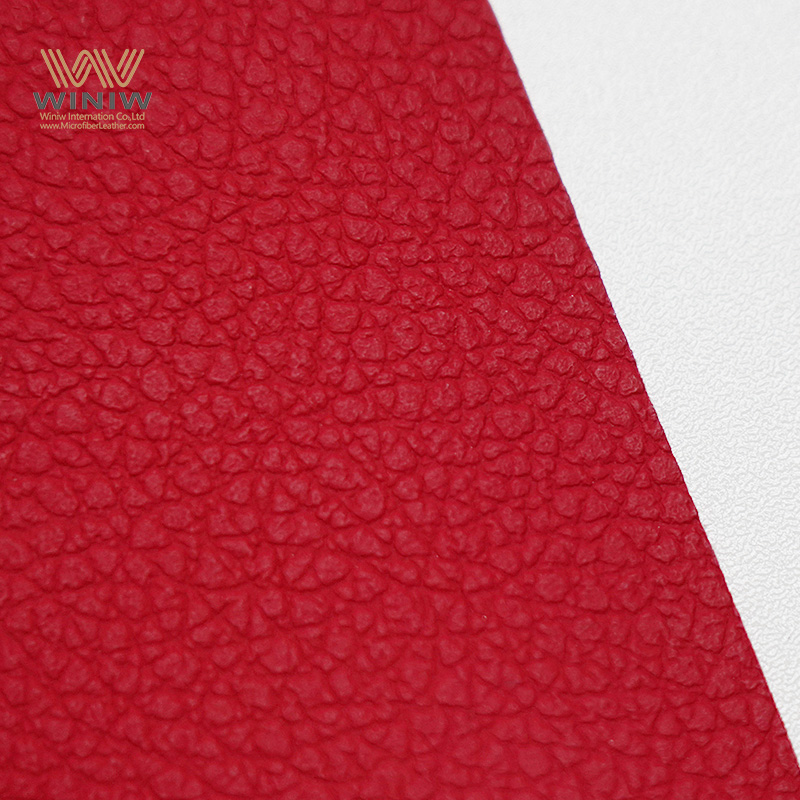
Where you play changes everything. Indoor games need a different american football than outdoor matches. Indoor balls, like futsal, give you better control and quick passing. They feel heavier and bounce less, so you can handle the ball in tight spaces. Outdoor match footballs are built for grass or turf. They resist water and keep their shape in any weather.
Check out this table for a quick comparison:
|
Type of Football |
Environment |
Pros |
Cons |
|---|---|---|---|
|
Indoor/Futsal |
Indoor |
Better control indoors, designed for quick passing and close ball handling. |
Not ideal for outdoor use due to weight and low rebound. |
|
Street/Turf |
Urban/Artificial Turf |
Durable on abrasive surfaces, maintain integrity longer than match balls on concrete. |
Slightly stiffer feel, may require break-in period. |
If you play outside, look for a ball with a PU cover. It gives you a soft touch and solid water resistance. For street games, rubber balls last longer on rough surfaces. You get the best performance when you match your ball to your environment.
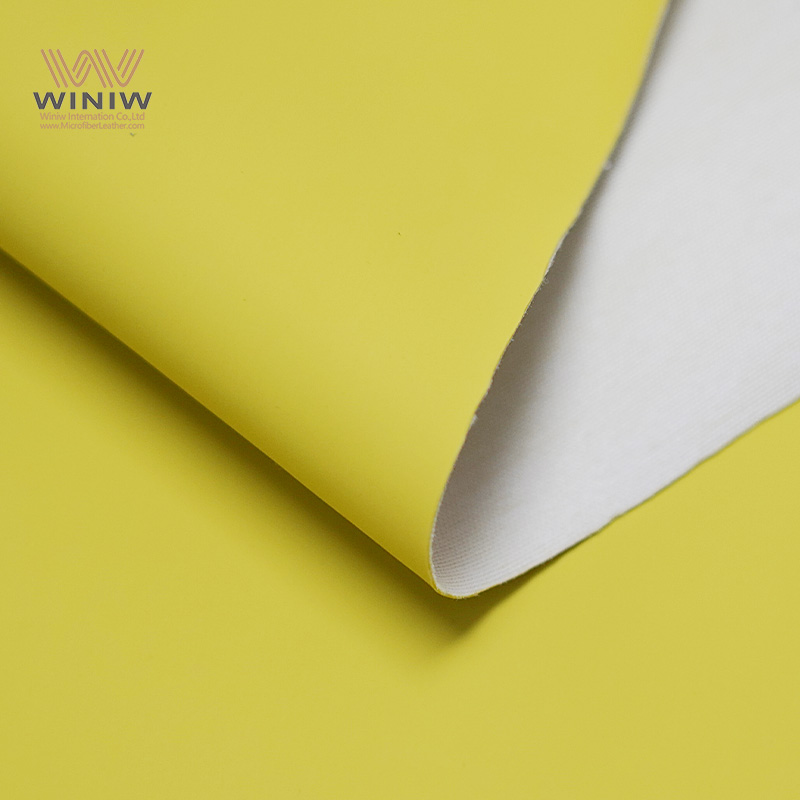
You might wonder if you should grab a budget american football or invest in a premium one. The answer depends on how you play and what you expect from your ball. Take a look at the price ranges for each market segment:
|
Market Segment |
Price Range |
|---|---|
|
Budget |
$10 - $30 |
|
Mid-range |
$30 - $60 |
|
Premium |
$60 - $100 |
Budget options work well for casual games, practice, or if you just want to toss a ball around with friends. Premium balls shine during a match or when you want the best feel and performance. Here’s a quick comparison to help you decide:
|
Feature |
Budget Synthetic Leather Footballs |
Premium Leather Footballs |
|---|---|---|
|
Material Quality |
Made from synthetic leather |
Highest quality leather |
|
Durability |
More durable than leather |
High durability, but less than synthetic |
|
Grip |
Textured composite material |
Tacky and easy to grip, especially when wet |
|
Intended Use |
Great for recreational and practice |
Used in games and practice play |
|
Weather Resistance |
Naturally resist moisture |
Some are water resistant |
|
Performance in Wet |
Tends to become slick when wet |
Maintains grip even when wet |
|
Cost |
Lower cost |
Higher cost |
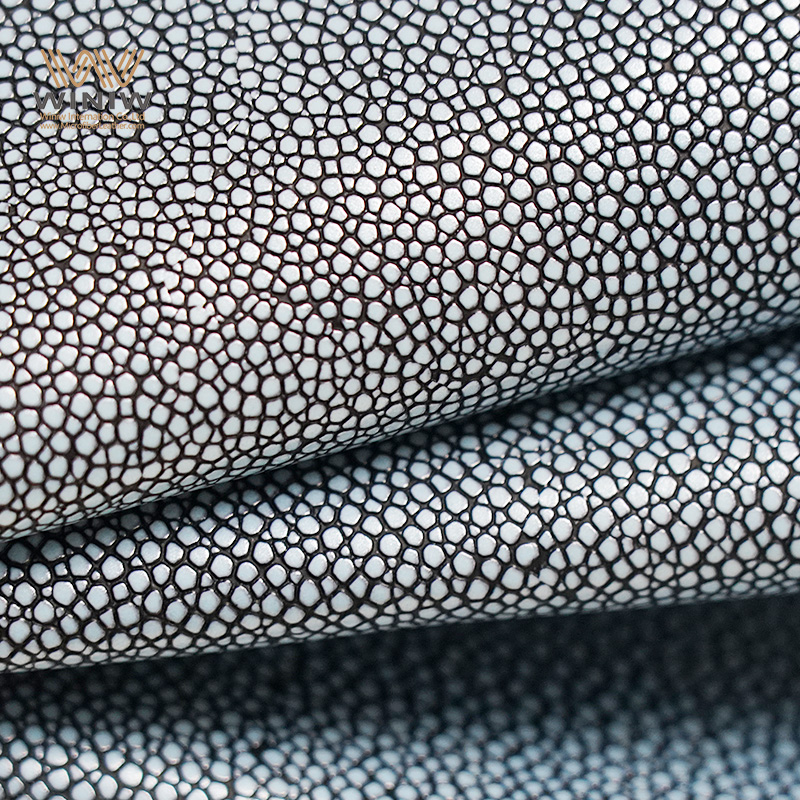
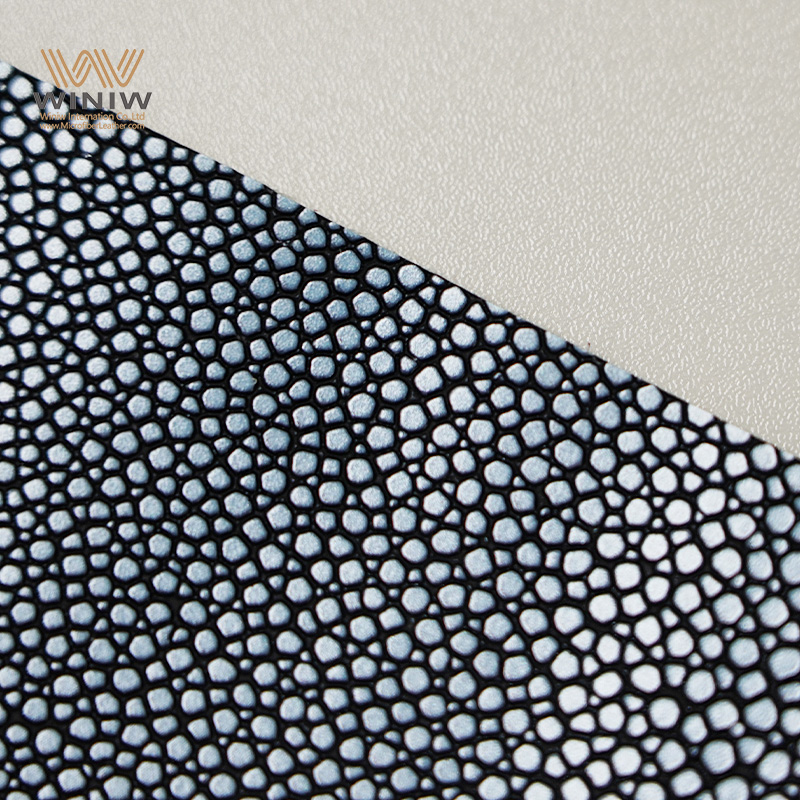
You get what you pay for with american footballs. Budget balls usually feature synthetic leather, which means you get solid durability and easy cleaning. These balls resist moisture, so you can play outdoor without worry. Mid-range options often use polyurethane (PU) leather. You’ll notice a softer touch, more flexibility, and better grip. Premium balls sometimes use unique patterns like pearl fish skin synthetic leather for a cool look and top performance during a match.
Here’s what you can expect at different price points:
Synthetic options cost less and are easy to find. Schools and amateur players love them.
PU leather gives you a soft, flexible feel and handles wet weather well.
PVC leather stands up to rough play and cleans up fast, but it feels stiffer.
High-end balls offer special textures and designs, but still cost less than genuine leather.
If you play american football often or want a ball that lasts, spending a little more can make a big difference.
You want to find a reliable place to buy your next american football. Trusted online retailers make the process easy and safe. Many stores offer a range of options, from budget to premium. You can compare prices, materials, and return policies before you decide. Here’s a quick look at what you might find:
|
Product |
Price |
Material |
Delivery |
Return Policy |
|---|---|---|---|---|
|
Full Size Synthetic Leather Football |
$24.99 - $28.18 |
Synthetic Leather |
Estimated: Fast |
90 Days Free Returns |
You’ll see footballs made with better materials, available in all sizes—adult, intermediate, junior, and pee wee. Many brands use cruelty-free, non-toxic synthetic leather. Eco Sports offers a solid selection for anyone who wants an eco-friendly american football for match or practice.
Before you buy, run through this football buying guide. You want to make sure your ball fits your needs and lasts through every match.
Check for durability. Synthetic leather and rubber last longer than foam.
Look for moisture resistance. Synthetic leather keeps its shape, even in harsh weather.
Feel the grip. A textured surface helps you control the ball during american football practice.
Pick the right size for your age and skill level.
Review the return policy. You want peace of mind if the ball isn’t right.
Look for certifications like FIFA Quality Pro or FIFA Quality. These show the ball meets standards for match play.
Tip: A good checklist helps you shop with confidence and enjoy every game.
You want the right american football for every match. Use the checklist to pick a ball that fits your style, skill, and where you play. When you match your american football to your needs, you get more fun and confidence every time you step onto the field.

Just wipe your football with a damp cloth. For tough dirt, use mild soap. Let it air dry. Avoid soaking it in water.
You can play on grass, turf, or even pavement. For rough surfaces, pick a ball with extra abrasion resistance. That helps your football last longer.
Check your football before each game. If it feels soft, add air. Butyl bladders hold air longer, so you won’t need to inflate as often.
Winiw International Co.,Ltd


Scan to wechat:



 Tel : +86 18150976625
 Email : Market@MicrofiberLeather.com