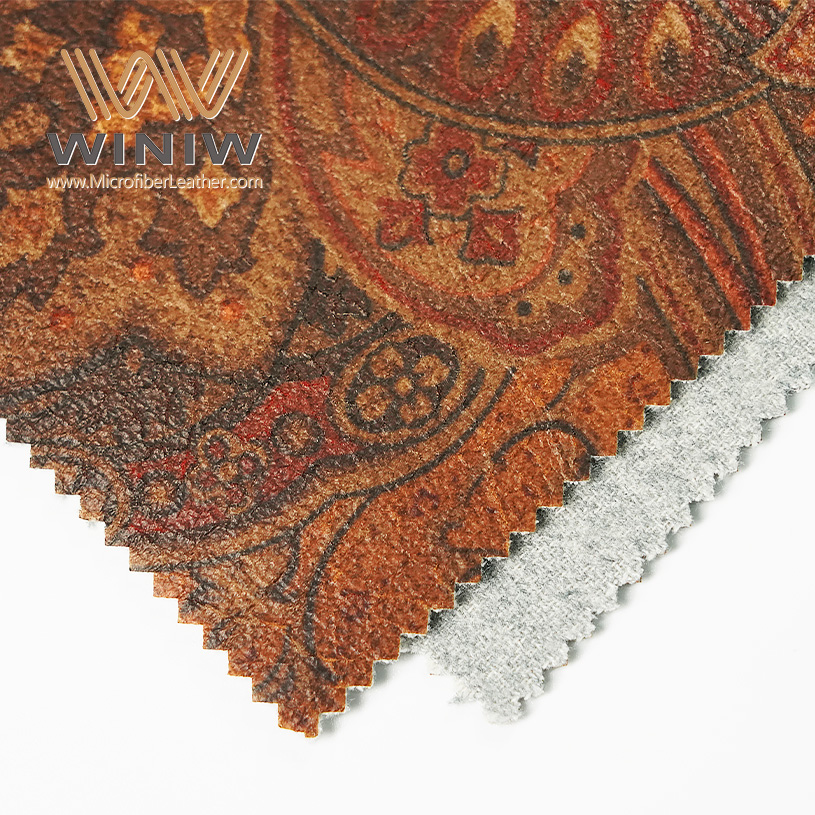
You might choose a Vegan Leather Chair if you value eco-friendly options or animal welfare, while a real leather chair offers greater durability. The table below compares average lifespan:
|
Product Type |
Average Lifespan (Real Leather) |
Average Lifespan (Vegan Leather) |
|---|---|---|
|
Chairs |
5–7 years |
2–3 years |
Consider your priorities before deciding.
Vegan leather chairs are eco-friendly and budget-friendly, making them ideal for short-term use and modern styles.
Real leather chairs offer superior durability and comfort, lasting 15 to 25 years with proper care, making them a long-term investment.
Consider your lifestyle and values when choosing: prioritize vegan leather for ethical choices and easy maintenance, or real leather for luxury and longevity.
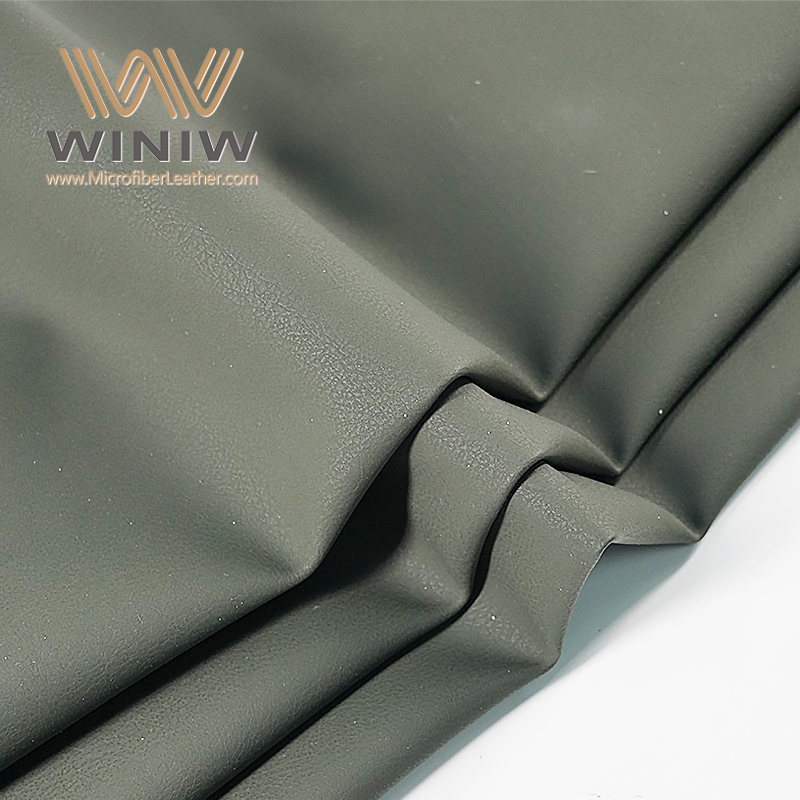
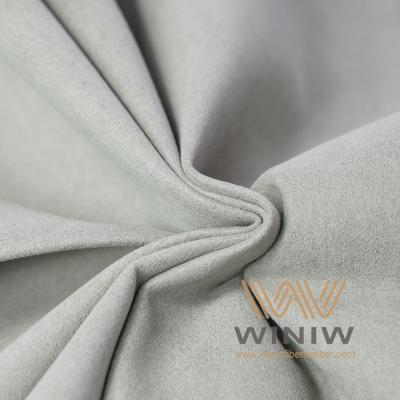
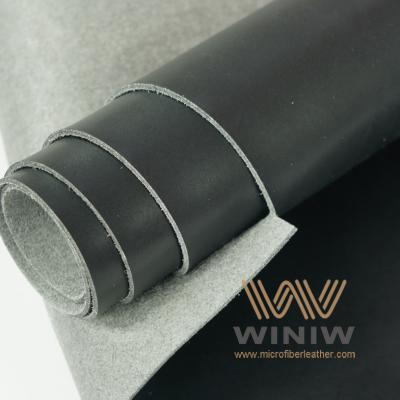
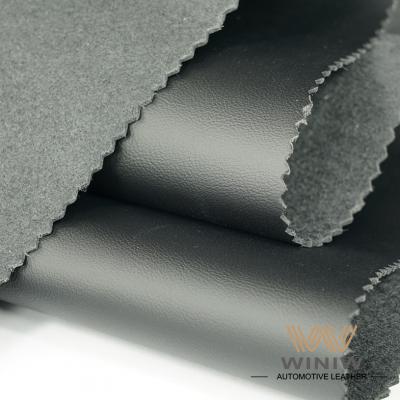
You see vegan leather as an alternative to traditional leather. Manufacturers create it from synthetic materials like polyurethane (PU) or bio-based sources. This animal-friendly option does not use animal hides. Many people choose vegan leather chair designs because they want eco-friendly and cruelty-free furniture. Vegan leather feels less organic and more plastic-like, but it resists cracking and holds dye well. You find a wide variety of colors and styles, which is best for furniture if you want flexibility in design.
Tip: Vegan leather chair surfaces clean easily and do not react to most household chemicals.
Real leather comes from animal hides. You notice its organic feel and classic appearance. This material requires more complex manufacturing and regular treatment to maintain its quality. Real leather chairs last longer and often become heirloom pieces. Over time, real leather develops a unique patina, adding character to your furniture. You may find cleaning more challenging, as leather can stain easily and needs special care.
|
Feature |
Real Leather |
Vegan Leather (Faux) |
|---|---|---|
|
Base Material |
Made from animal hides |
Does not use animal hides |
|
Cleaning |
Can stain easily, harder to clean |
Easier to clean, less sensitive to chemicals |
|
Manufacturing Difficulty |
More difficult, higher cost |
Easier, lower cost |
|
Durability |
High quality and durable |
Does not last as long, may break down |
|
Feel |
Feels organic |
Feels less organic, more plastic-like |
You often see vegan leather chairs in dining rooms, offices, cafes, and co-working spaces. Their waterproof surfaces and easy maintenance make them practical for busy areas. Real leather chairs fit best in traditional living spaces and formal settings. You value their durability and classic look for rooms where style and longevity matter most.
|
Feature |
Vegan Leather Chairs |
Real Leather Chairs |
|---|---|---|
|
Material |
Synthetic or bio-based materials |
Animal hides |
|
Maintenance |
Easy to clean, waterproof, no regular treatment needed |
Requires regular treatment to maintain |
|
Aesthetic |
Leather-like appearance without animal use |
Classic leather look |
|
Common Uses |
Dining rooms, offices, cafes, co-working spaces |
Traditional living spaces, formal settings |
|
Durability |
Resistant to cracking |
Can crack over time |
When you choose a vegan leather chair, you select an animal-friendly option that fits modern style and environmental concerns. Vegan leather uses synthetic or bio-based materials, which makes it less robust than traditional leather. You notice that vegan leather is thinner and more prone to splitting or cracking, especially in high-traffic areas. The durability and longevity of vegan leather depend on several factors:
|
Factor |
Description |
|---|---|
|
Material composition |
The base chemicals and manufacturing process significantly affect strength and degradation. |
|
Exposure to elements |
Sunlight, moisture, heat, and friction accelerate wear. |
|
Maintenance routine |
Regular cleaning and conditioning can extend life dramatically. |
|
Usage frequency |
A frequently used item wears faster than one used less often. |
|
Manufacturing quality |
Stitching, layer thickness, and backing materials impact resilience. |
You can extend the lifespan of a vegan leather chair by keeping it away from direct sunlight and cleaning it regularly. High-quality vegan leather resists wear and tear better, but most vegan leather chairs show cracks or peeling after two to three years of daily use. If you use your chair in a busy space, you may see signs of aging sooner. Construction and design also play a role. Sturdy frames and reinforced seams help, but vegan leather still lacks the long-lasting durability of real leather.
If you want exceptional durability, a real leather chair stands out. High-quality leather, especially full-grain, offers strength and resilience that synthetic alternatives cannot match. You find that leather resists scratches and punctures, making it ideal for homes with children or pets. With proper care, a leather chair can last decades. Most well-maintained leather chairs remain functional and attractive for 15 to 25 years. Real leather develops a patina, which adds character and style over time. You can repair scratches and minor damage, which increases the longevity of your investment.
Quality leather furniture can last for decades.
Real leather, especially full-grain, develops character and beauty as it ages.
Leather resists fading and stiffness with regular conditioning.
If you wonder which lasts longer, real leather is the clear winner. You get a piece of furniture that improves with age and offers long-term value.
You see different patterns of wear and tear in vegan leather and real leather chairs. Vegan leather often develops fine cracks and peeling after a few years, especially on armrests and seat edges. In a home test, a vegan leather chair showed hairline cracks after 18 months, which worsened by the third year. In busy environments, vegan leather chairs may need replacement sooner.
Real leather chairs perform better in high-traffic settings. After two years, a leather chair may show minor fading or stiffness, but no cracks. After three years in a tech company, the vegan leather chair began peeling, while the real leather chair only had light surface wear. You can repair real leather easily, while vegan leather often requires patching or full replacement.
|
Factor |
Real Leather (Full-Grain) |
Vegan Leather (PU/PVC) |
|---|---|---|
|
Average Time to First Cracks (with minimal care) |
5–7 years |
2–3 years |
|
UV Resistance |
Moderate (improves with conditioning) |
Poor (especially PVC) |
|
Flex Durability (cycles before cracking) |
10,000+ folds |
1,500–3,000 folds |
|
Repairability |
High (can be sanded, recolored, reconditioned) |
Low (cracks often require patching or replacement) |
When you consider which type of leather is best for long-term use, real leather offers superior durability and longevity. Vegan leather chairs suit short-term needs and animal-friendly preferences, but they do not match the long-lasting durability of high-quality leather. If you value style and want furniture that ages gracefully, a leather chair is a smart investment. If you prioritize environmental concerns and want a cruelty-free option, a vegan leather chair fits your lifestyle, but expect to replace it more often.
Note: Regular maintenance and careful use can extend the life of both vegan leather and real leather chairs, but only real leather provides exceptional durability and longevity for decades.
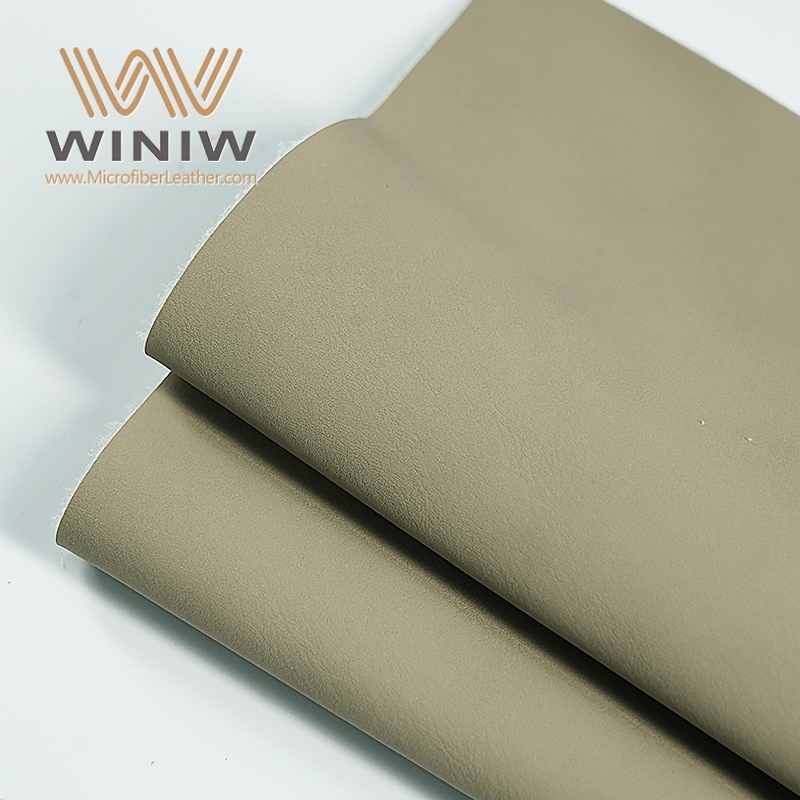
You notice comfort as soon as you sit in a chair. Real leather feels smooth and supple against your skin. The material adapts to your body temperature, which makes sitting pleasant for long periods. Vegan leather chair surfaces feel firmer and less breathable. You may find vegan leather less flexible, which can affect comfort during extended use. If you want a chair for reading or relaxing, leather offers a softer and more luxurious experience. Vegan leather works well for short-term seating, especially in busy spaces.
You see style as a key factor when choosing furniture. Vegan leather gives you many options for colors, finishes, and patterns. You can match your chair to almost any room design. Real leather stands out with its natural appearance and unique grain patterns. The scent of real leather adds to the quality feel of your space. Vegan leather has a more plasticky smell and texture, which may not appeal to everyone. The table below highlights the main visual differences:
|
Feature |
Vegan Leather |
Real Leather |
|---|---|---|
|
Appearance |
Versatile, many colors |
Natural, unique patterns |
|
Texture |
Less smooth, synthetic feel |
Smooth, supple |
|
Smell |
Plasticky |
Natural, pleasant |
|
Maintenance |
Less upkeep |
Needs care, ages over time |
Tip: Vegan leather chair designs let you choose bold colors and modern styles, while real leather brings classic elegance and authenticity.
You watch your furniture change over time. Real leather develops a patina, which means the surface gains rich color and character as it ages. This process makes your chair more beautiful and unique. Vegan leather does not develop a patina. Instead, it keeps its original look for a limited time, then may crack or peel as the synthetic coating wears off. If you value durability and evolving style, leather offers lasting appeal. Vegan leather suits you if you want a fresh look and ethical choices, but it lacks the aging beauty of real leather.
You can keep your vegan leather chair looking fresh with simple steps. Manufacturers recommend the following cleaning routine:
Use a dedicated Vegan Leather Cleanser for the best results.
If you do not have a cleanser, mix water with mild household ingredients and wipe with a microfiber cloth. This method works but is less effective.
Avoid disinfectant wipes, as alcohol can dry out the material.
Do not use dish soap, vinegar, or baking soda. These can cause discoloration or damage.
Tip: Regular gentle cleaning helps maintain the appearance and affordability of your vegan leather furniture.
You need to give real leather more attention. Conditioning every two to three months keeps the material soft and prevents cracks. Wipe spills quickly with a dry cloth. Use a leather-specific cleaner for deeper cleaning. Avoid harsh chemicals, as they can strip away natural oils and reduce quality.
|
Material |
Maintenance Frequency |
|---|---|
|
Real Leather |
Requires conditioning every 2–3 months |
|
Vegan Leather |
Needs only occasional wipe-downs |
You will notice differences in how each material handles stains and scratches. Vegan leather resists stains well at first, but this protection fades over time. Real leather offers moderate stain resistance, especially if protected. Scratches on leather often add character, while scratches on vegan leather usually cause permanent damage.
|
Material |
Stain Resistance |
|---|---|
|
Real Leather |
Moderate (protected leathers better) |
|
Vegan Leather |
Good initially; degrades over time |
|
Material |
Scratch Visibility |
|---|---|
|
Real Leather |
Varies by type; often adds character |
|
Vegan Leather |
Usually permanent damage |
|
Material |
Scratch and Tear Resistance |
|---|---|
|
High-quality PU Vegan Leather |
Achieves 50,000+ double rubs (sufficient for residential use) |
|
Standard Requirement |
Ideally exceeds 30,000 rubs |
You get easy care with vegan leather and lasting beauty with real leather. Consider your lifestyle and priorities when choosing between them.
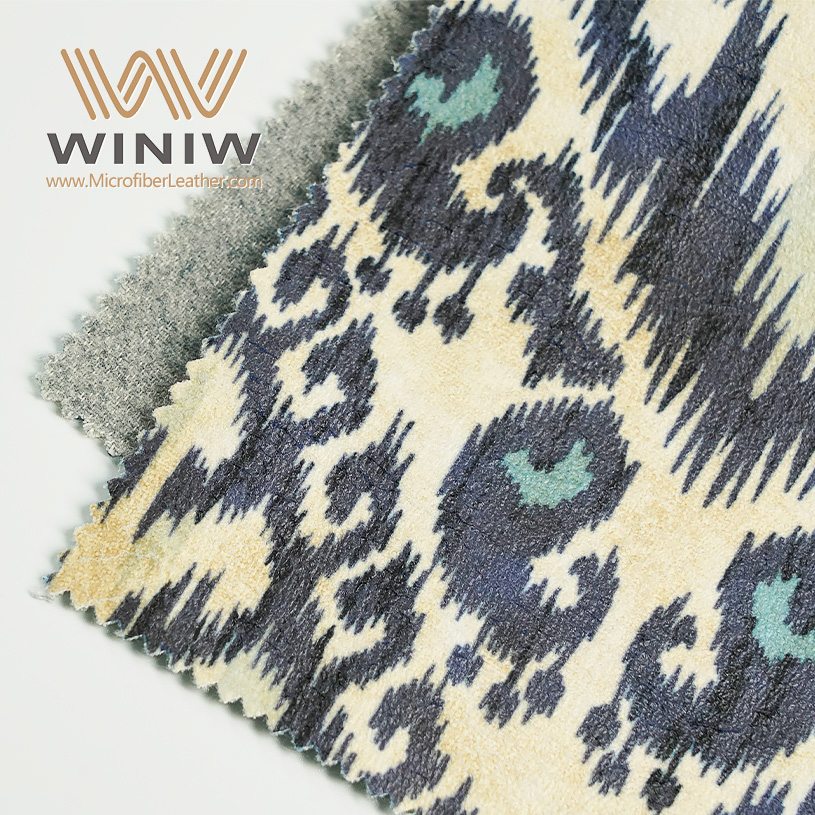
You may want to choose furniture that supports eco-friendliness and sustainability. When you compare vegan leather and real leather chairs, you see clear differences in their impact on the environment. Vegan leather chairs use less energy and produce fewer greenhouse gases during production. The table below shows the carbon footprint for each material:
|
Material |
Carbon Footprint (kg CO2e per square meter) |
|---|---|
|
Cow Skin Leather |
110.0 |
|
Synthetic Leather |
15.8 |
You can see that vegan leather has a much lower carbon footprint. This makes it an eco-friendly choice if you want to reduce your environmental impact. However, you should also consider what happens when you throw away your chair. Real leather is biodegradable, so it breaks down naturally and reduces landfill waste. Vegan leather, made from synthetic materials, does not decompose easily. It can stay in landfills for decades, which increases waste.
Note: Vegan leather offers a cruelty-free alternative with a lower carbon footprint, but it can create more landfill waste over time.
You might care about animal welfare when you choose ethical furniture. Vegan leather chairs use an animal-friendly approach, avoiding animal hides completely. Manufacturers focus on cruelty-free production methods and promote vegan leather as an animal-friendly and ethical option. Some companies even use plant-based materials to improve sustainability and reduce fossil fuel use.
Real leather chairs come from animal hides. When sourced ethically, leather often serves as a byproduct of the meat industry. This practice helps reduce waste by using materials that would otherwise be discarded. You may see this as a responsible way to support the environment while still enjoying quality furniture.
If you want a cruelty-free and animal-friendly chair, vegan leather is the best choice. If you value durability and want to support ethical sourcing, real leather can also fit your values.
When you shop for a new chair, price often becomes your first concern. Vegan leather chairs usually offer greater affordability compared to real leather options. You find standard vegan leather dining chairs priced between $120 and $300. If you want an office or recliner style, the cost can exceed $500. Real leather chairs, on the other hand, tend to cost much more. You pay a premium for the natural material and craftsmanship. The higher price reflects the durability and classic appeal of real leather.
Vegan leather chairs: $120–$300 (standard dining)
Vegan leather office/recliner: $500+
Real leather chairs: Often $800 and above
You need to consider how often you will replace your chair. Vegan leather chairs have a shorter lifespan, so you may need to buy replacements more frequently. Real leather chairs last much longer, which means fewer purchases over time. The table below shows how often you might replace each type:
|
Product Type |
Real Leather (Avg. Lifespan) |
Vegan Leather (Avg. Lifespan) |
|---|---|---|
|
Sofas / Furniture |
15–25 years |
4–7 years |
If you look at the total cost over 15 years, real leather chairs often save you money. For example, buying a $700 vegan leather sofa five times costs $3,500. A single $2,500 real leather sofa lasts the same period and costs less per year. Premium leather costs more upfront, but you only buy it once.
|
Scenario |
Purchase Pattern |
15-Year Cost |
Cost/Year |
|---|---|---|---|
|
Faux leather |
$700 sofa × 5 replacements |
$3,500 |
$233 |
|
Quality real leather |
$2,500 sofa × 1 purchase |
$2,500 |
$167 |
|
Premium real leather |
$4,000 sofa × 1 purchase |
$4,000 |
$267 |
You also help the environment by choosing furniture that lasts longer. Real leather chairs reduce waste because you replace them less often. Vegan leather chairs may end up in landfills after a few years. When you weigh upfront price against long-term value, real leather chairs offer better investment for your home.

You need to match your chair choice with your lifestyle and values. If you want a chair that lasts for many years, real leather gives you high longevity and comfort. Vegan leather works well if you prefer cruelty-free products or want a budget-friendly option. You may also care about style, maintenance, or environmental impact. The table below helps you compare key criteria:
|
Criteria |
Real Leather |
Vegan Leather |
|---|---|---|
|
Longevity |
High, best for long-term use |
Lower, may need replacement sooner |
|
Comfort |
Superior, ideal for daily sitting |
Less flexible, firmer feel |
|
Ethical Considerations |
No animal-free claim |
Suits vegan and cruelty-free lifestyles |
|
Budget |
Higher upfront cost |
More affordable |
|
Aesthetic Appeal |
Classic, unique patina |
Trendy, wide color choices |
|
Environmental Impact |
Concerns about animal farming |
Often more sustainable |
|
Maintenance |
Repairable, needs care |
Easy cleaning, less repairable |
Tip: Choose real leather for heirloom quality and comfort. Pick vegan leather for easy care and ethical peace of mind.
You can use this checklist to make your decision easier:
Define your use case. High-traffic areas need durable materials like thick PU or top-grain leather.
Check the material label. Look for clear terms such as "100% PU" or "top-grain leather."
Inspect seams and cushions. Strong frames and quality foam improve comfort and lifespan.
Ask about warranty. Reliable brands offer multi-year coverage on structure and finish.
Test in person. Sit on the chair, feel the texture, and check for odor or stiffness.
If your budget is under $800, prioritize PU over PVC.
If you plan to keep the chair for more than seven years, consider real leather.
If you rent or want a temporary solution, vegan leather suits short-term needs.
For hot climates, look for breathable or ventilated designs.
Note: Your priorities guide your choice. Consider comfort, ethics, budget, and long-term value before you buy.
You find vegan leather chairs best for eco-friendly, budget-conscious homes. Real leather suits you if you want luxury and long-term durability. The table below highlights key differences:
|
Feature |
Vegan Leather |
Real Leather |
|---|---|---|
|
Durability |
2–3 years |
5–7 years |
|
Maintenance |
Easy to clean |
Needs conditioning |
|
Comfort |
Firmer |
Softer, adapts |
Use the decision guide to match your priorities and lifestyle.

You cannot fully repair cracks in vegan leather. You may use patch kits for small areas, but replacement often works best for major damage.
You should use leather-specific cleaners and conditioners. Regular household cleaners may damage the surface or strip natural oils from the leather.
You get better scratch resistance with real leather. Vegan leather may peel or crack faster if pets jump or scratch the chair.
Winiw International Co.,Ltd


Scan to wechat:



 Tel : +86 18150976625
 Email : Market@MicrofiberLeather.com