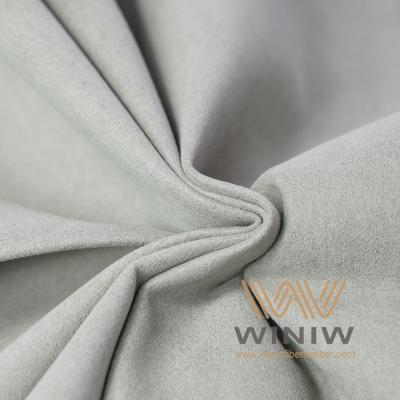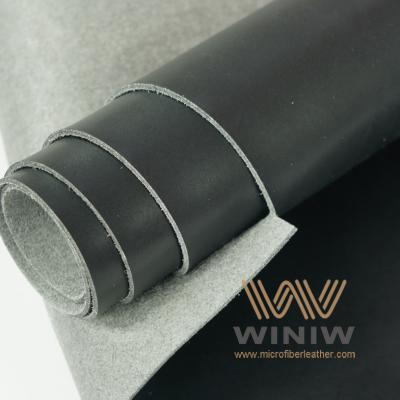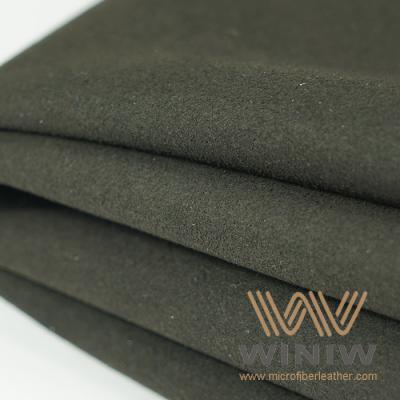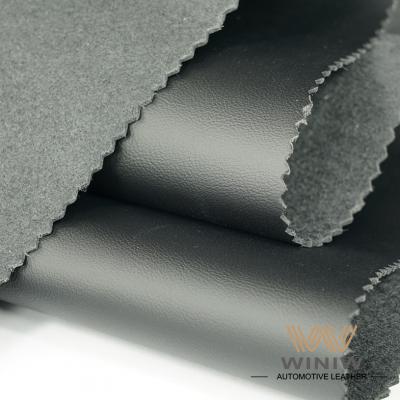
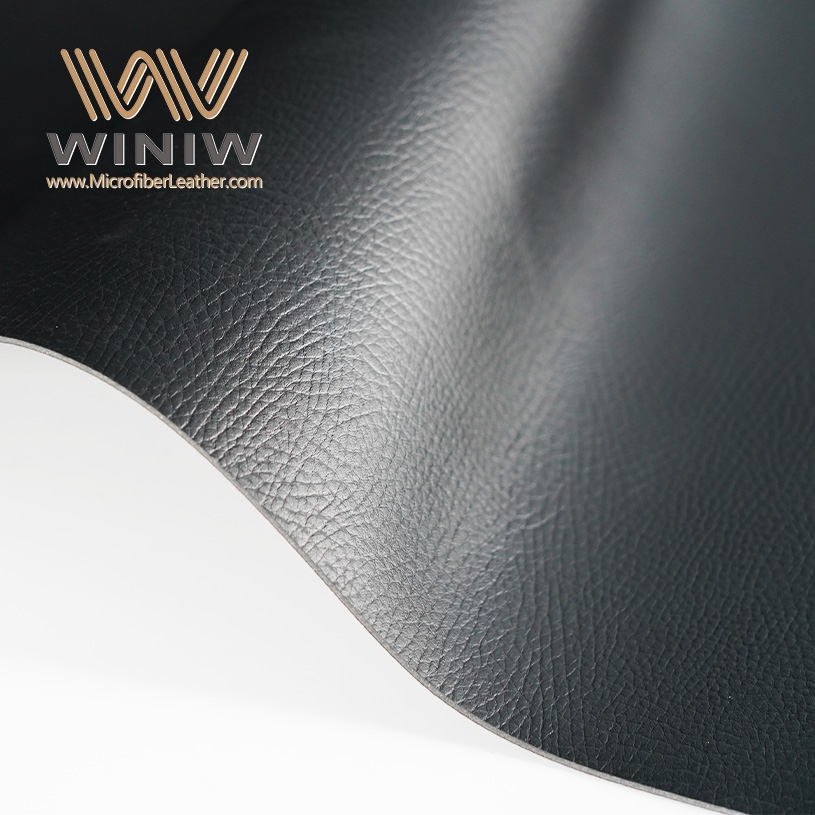
You see PU leather in most modern shoes. This synthetic material stands out for its affordability, versatility, and comfort. Many brands choose faux leather because it resists water, stays flexible, and feels breathable. In 2024, 57.07% of shoes used PU leather, highlighting its popularity over genuine leather and other faux leather options.
PU leather is lighter and softer than genuine leather.
Faux leather shoes stay easy to maintain.
Shoes PU Leather helps you spot the difference between PU leather and genuine leather.
|
Property |
PU Leather |
Genuine Leather |
|---|---|---|
|
Softness |
Softer |
Firmer |
|
Waterproof |
Water resistant |
Not waterproof |
You often wonder about the pros and cons of PU leather, or how to tell if it is vegan leather. Faux leather answers your style, comfort, and ethical needs.
PU leather is a popular choice for shoes due to its affordability, comfort, and water resistance.
This synthetic material is vegan-friendly, making it a great option for those who care about animal welfare.
Caring for PU leather shoes is easy; simply wipe them with a damp cloth and condition them regularly to extend their lifespan.
When you ask what is pu leather made of, you look at both the materials and the steps that create this popular synthetic leather. Manufacturers use a mix of chemicals and fabrics to make polyurethane leather strong, flexible, and stylish. Here are the main raw materials you find in the production process of pu leather:
Polyurethane liquid or powder forms the main coating. This gives pu leather its flexibility and durability.
Base substrates like cotton, polyester, or non-woven polyester fabrics provide strength and elasticity.
Polyols and isocyanates help create the structure of polyurethane leather.
Solvents such as dimethylformamide (DMF) and methyl ethyl ketone (MEK) dissolve the polyurethane for easy application.
Additives, including plasticizers, stabilizers, dyes, and colorants, improve appearance and performance.
The production process of pu leather involves several steps:
Raw material preparation, where you gather polyurethane resins, additives, and fabric backing.
Coating process, which applies the polyurethane resin onto the fabric using direct or transfer coating.
Drying and curing, which removes solvents and stabilizes the material.
Surface treatment, such as embossing or printing, enhances the look and feel.
Finishing, where final touches boost durability and style.
You may also hear about wet and dry methods in the production process of pu leather. Wet methods use solvents to solidify the material, while dry methods coat the fabric without solvents.
You might wonder, is pu leather vegan? The answer is yes. Polyurethane leather does not use any animal-derived ingredients. It is a synthetic leather, made entirely from artificial materials. This makes it a top choice for people who want cruelty-free shoes. When you choose pu leather, you pick a material that mimics real leather’s look and feel but comes from thermoplastic polymers, not animals. If you care about animal welfare or want a modern, ethical option, synthetic leather like pu leather fits your needs.
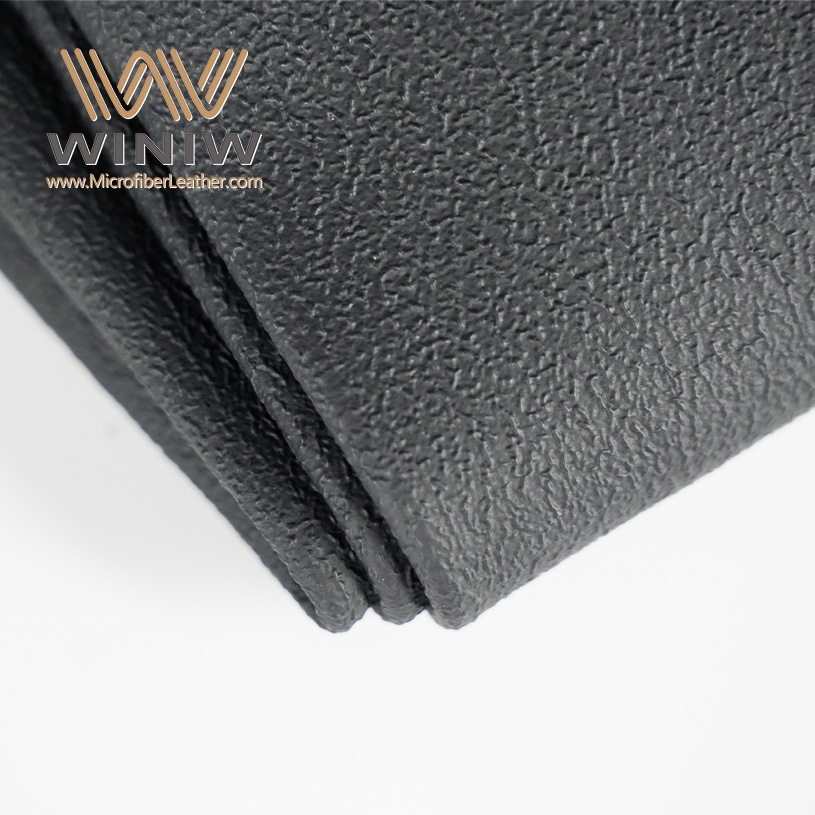
You see shoes pu leather in many products, from sneakers to boots. Manufacturers also use this material in handbags and furniture, but its main impact appears in footwear. The uses of pu leather in shoes stand out because you get a blend of style, comfort, and practicality.
You choose shoes pu leather for several reasons:
Cushioning and comfort improve your walking experience.
Lightweight design helps you move easily, especially in sports shoes.
Durability means your shoes last longer, even with frequent use.
Water and weather resistance protect your feet in wet conditions.
Affordability makes shoes pu leather a smart choice for your budget.
Sustainable options support eco-friendly values.
You notice that the large-scale production of pu leather increases its availability. The growing demand for vegan and sustainable materials also boosts its popularity. In the footwear industry, shoes pu leather offers softness, waterproof qualities, and a lighter feel compared to genuine leather.
When you compare shoes pu leather to other materials, you see clear differences in cost and durability.
|
Type of Upper |
Price Range |
|---|---|
|
Genuine Leather |
$120 – $250 |
|
Synthetic Leather |
$30 – $50 |
Genuine leather costs more because of sourcing and tanning. Synthetic options like shoes pu leather appeal to budget shoppers.
|
Material |
Durability Description |
|---|---|
|
Real Leather |
Highly durable, can last for many years with proper care, valued for long-term use. |
|
PU Leather |
Generally less durable than real leather, may not last as long under heavy use. |
|
Faux Leather |
Varies widely in durability, often less durable than both PU and real leather. |
You find that shoes pu leather balances price, comfort, and style. The uses of pu leather in footwear continue to grow as you look for practical and affordable options.
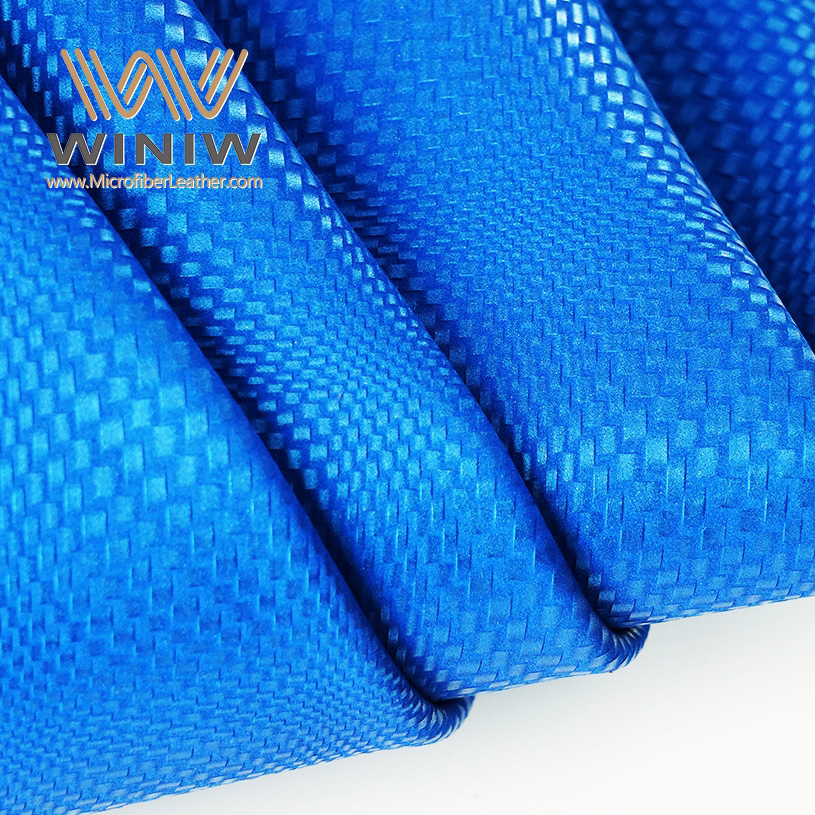
You want shoes that last and feel good on your feet. PU leather offers several advantages in these areas. Many manufacturers choose this material because it is a durable material that resists everyday wear and tear. You notice that PU leather shoes provide excellent flexibility, which means they move naturally with your foot. This flexibility adds to your comfort, especially during long walks or busy days.
You can see how PU leather compares to other materials in the table below:
|
Material Type |
Comfort Level |
Breathability |
Durability |
Price Comparison |
|---|---|---|---|---|
|
PU Leather |
Similar to genuine leather |
Moderate |
Good |
Less expensive |
|
Genuine Leather |
High |
High |
Very High |
More expensive |
|
Moderate |
Low |
Moderate |
Less expensive |
|
|
Good |
Good |
Moderate |
Less expensive |
You get a comfortable fit with PU leather, and the lightweight design reduces fatigue. The cushioning in these shoes absorbs impact, making them suitable for daily use. However, you should know the disadvantages of pu leather. Some users report that PU leather can crack or peel after a few months, especially in tough environments like construction sites or on abrasive floors. This material does not match the long-term durability of genuine leather or rubber in harsh conditions.
The breathability of PU leather is moderate. You may experience some heat and moisture buildup because this material does not allow as much airflow as natural leather. If you need shoes for hot climates or intense activity, you might want to consider this factor.
You should also think about how long does pu leather last. Under normal use, PU leather shoes last between 1 to 3 years. Genuine leather shoes can exceed 10 years with proper care. This difference is important if you want shoes for long-term use.
The most common disadvantages of pu leather include:
|
Drawback |
Description |
|---|---|
|
Cracking |
PU leather gradually breaks down due to exposure to the elements. |
|
Peeling |
This breakdown manifests as peeling, cracks, discoloration, and rips. |
|
Tears and scuffs |
PU leather lacks the elasticity and strength of quality animal leather, leading to visible wear over time. |
You should weigh these disadvantages against the advantages before making your choice.
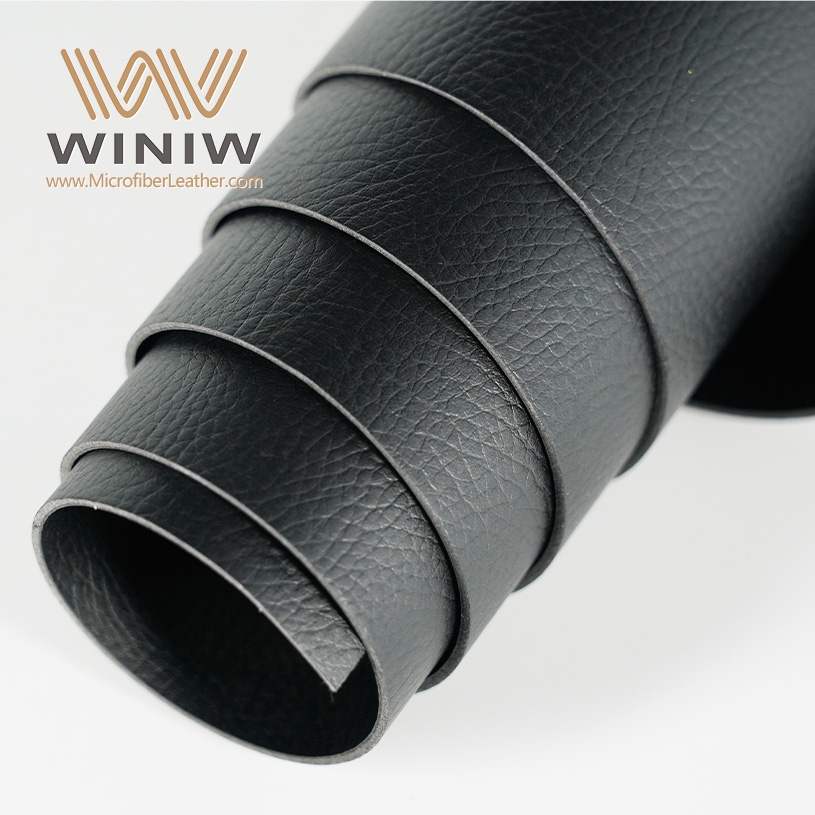
You often need shoes that handle rain and spills. PU leather stands out for its water resistance. Unlike genuine leather, which can suffer water damage, PU leather keeps your feet dry during everyday wear. You do not need to worry about stains as much, and you can clean your shoes easily.
Here are some key points about water resistance:
PU leather is recognized for its water resistance and is suitable for everyday wear.
Genuine leather is more prone to water damage compared to PU leather.
PVC leather is even more durable and water-resistant than PU leather.
Synthetic leather, including PVC, is generally more water-resistant than natural leather, which requires treatments to achieve similar levels of resistance.
You will find that cleaning pu leather is simple. You only need a damp cloth to wipe away dirt. This easy to clean feature makes your life easier, especially if you wear your shoes often. You do not need special products or complicated routines.
To care for pu leather and extend the lifespan of your shoes, follow these tips:
Dust your shoes regularly with a soft, dry cloth or gentle brush.
Apply a small amount of PU leather conditioner to maintain suppleness and prevent drying or cracking.
Store your shoes in a cool, dry place away from direct sunlight and heat sources.
Use protective sprays or coatings for protecting pu leather against stains and UV damage.
Handle your shoes with care to avoid scratches or punctures.
Rotate your shoes to prevent overuse.
Clean with mild soap and water, avoiding harsh chemicals.
Condition every 6–12 months to keep the material flexible.
You will find that maintaining pu leather is not difficult. The easy to clean nature of this material means you spend less time on care. If you want to know how to care for pu leather, remember to avoid excessive moisture and heat. These steps help prevent the disadvantages of pu leather, such as cracking and peeling.
You may wonder how PU leather affects the environment. This material has a lower environmental impact than genuine leather because it does not involve animal farming or toxic tanning chemicals. You support animal welfare when you choose PU leather. However, you should know that PU leather is made from fossil fuels and is non-biodegradable. This means it can contribute to plastic pollution and persist as microplastics in the environment.
Here is a comparison of the environmental features:
|
Feature |
PU Leather (Synthetic) |
Genuine Leather |
|---|---|---|
|
Typical Lifespan |
2 - 5 years |
30 - 50 years |
|
End-of-Life |
Persists as microplastics |
Biodegradable (bio-based) |
|
Best For |
Short-term use, lower initial footprint |
Long-term sustainability, reducing waste |
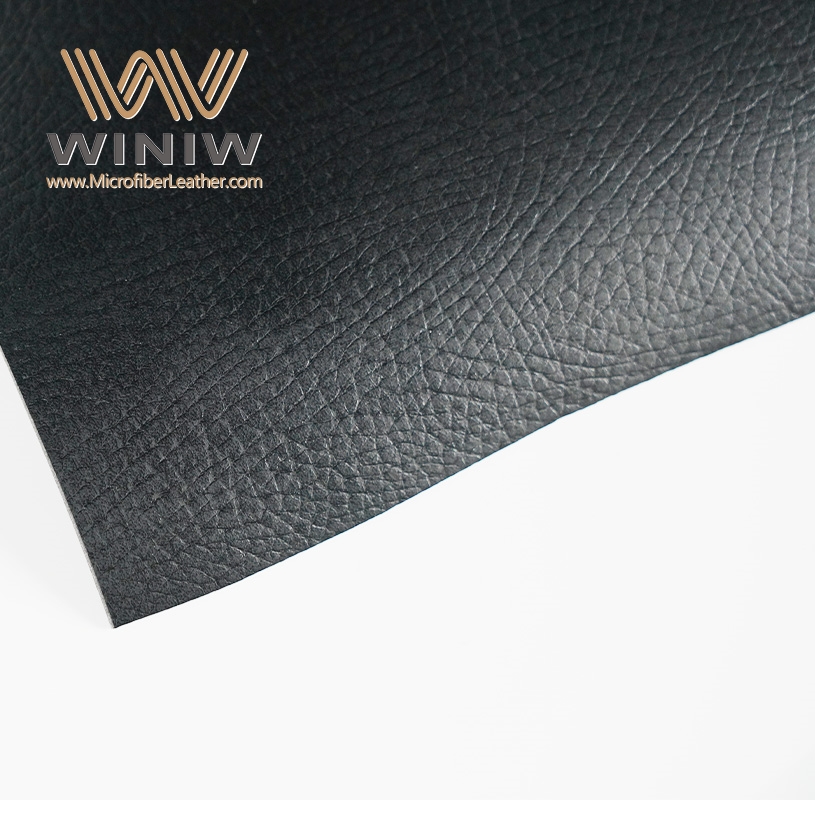
You should consider the advantages and disadvantages of pu leather for the environment. While it avoids animal cruelty, it still relies on fossil fuels and does not break down easily. Both PU leather and genuine leather have environmental drawbacks, but PU leather is somewhat less harmful in terms of emissions and resource use.
Cost is another important factor. PU leather is 50-70% less expensive than natural leather. You can find PU leather shoes for a fraction of the price of genuine leather. This makes them a smart choice if you want style and function without spending a lot. The lower cost is one of the main advantages of pu leather, especially for budget-conscious shoppers.
When you choose shoes, think about your needs and values. Consider the intended use, expected longevity, and the entire life cycle of the product. If you want a vegan, easy to clean, and affordable option, PU leather offers many advantages. If you need shoes for heavy-duty use or long-term durability, you may want to look at other materials.
You now know the main advantages and disadvantages of pu leather. You understand how long does pu leather last, how to care for pu leather, and what to expect in terms of cleaning and protecting pu leather. This knowledge helps you make informed choices for your footwear and the environment.
You see PU leather offers affordability, easy care, and style for everyday shoes. Check this comparison:
|
Factors |
PU Leather |
Real Leather |
|---|---|---|
|
Cost |
Budget-friendly |
Expensive |
|
Durability |
Lasts 1–3 years |
Lasts over 10 years |
|
Ethics |
Vegan-friendly |
Animal-based |
Choose PU leather for sneakers or casual shoes. Pick real leather for long-term wear or premium comfort. Consider your budget, ethics, and how you plan to use your shoes.

You should wipe your PU leather shoes with a damp cloth. For stubborn stains, use mild soap and water. Avoid harsh chemicals to prevent damage.
You can use a PU leather repair kit for small cracks. Deep cracks may not repair well. Regular conditioning helps prevent future cracking.
You usually do not experience allergic reactions with PU leather. This material does not contain animal proteins or common allergens found in natural leather.
Winiw International Co.,Ltd


Scan to wechat:



 Tel : +86 18150976625
 Email : Market@MicrofiberLeather.com