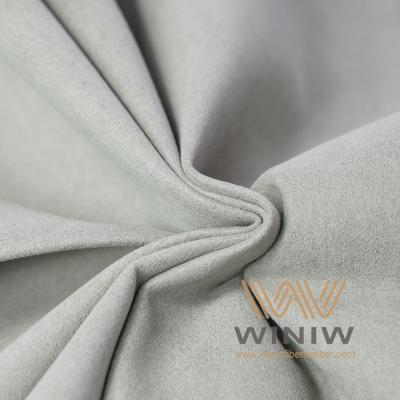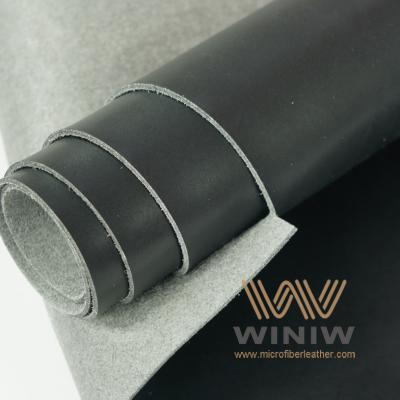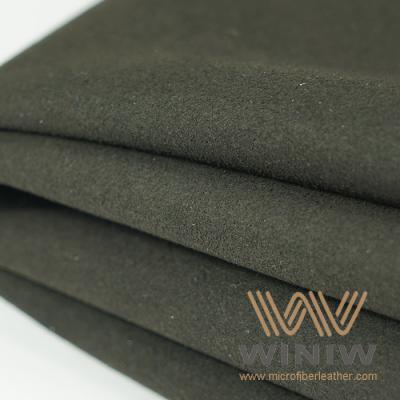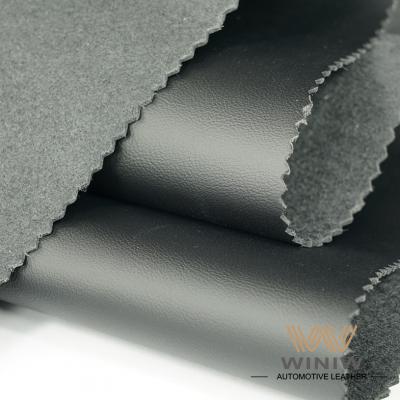

Safety shoes rely on carefully selected safety shoe materials for every part, including the upper, lining, toe cap, insole, midsole, outsole, and closure system. The following table highlights common components of a safety shoe, materials, and their benefits:
|
Component |
Common Materials |
Advantages |
|---|---|---|
|
Upper |
Leather, Microfibre, Textiles |
Durability, Breathability, Easy Cleaning |
|
Toe Cap |
Steel, Aluminium, Composite |
Maximum Protection, Lightweight |
|
Insole |
PU, Gel Inserts |
Comfort, Shock Absorption |
|
Midsole |
PU |
Support for Long Hours |
|
Outsole |
Rubber |
Grip, Slip Resistance |
Innovations in safety material shoes include microfibre for durability, custom insoles for support, and waterproof membranes for moisture control.
Choose safety shoes with the right materials for your work environment. Leather and composite toes offer durability and insulation for outdoor jobs.
Look for moisture-wicking linings and breathable materials to keep feet dry and comfortable during long shifts. This helps prevent blisters and odor.
Select lightweight safety shoes to reduce fatigue. Lightweight designs improve comfort and performance, especially for workers who stand or walk for extended periods.
The upper materials form the outermost layer of protective footwear. They play a key role in durability, comfort, and resistance to environmental hazards. The table below compares the main types of upper materials used in safety boots:
|
Material |
Protective Benefits |
Comfort Benefits |
|---|---|---|
|
Leather |
Durable, water-repellent, natural resistance to liquids |
Breathable, absorbs moisture, regulates temperature |
|
Microfiber |
Natural resistance to liquids |
Soft, easy to clean |
|
Textile |
Breathable, ideal for summer |
Aesthetic versatility in design |
Leather stands out for its toughness and ability to repel water, making it suitable for construction and outdoor work. Microfiber offers a lightweight alternative that resists liquids and cleans easily. Textile uppers provide breathability and style, which workers often prefer in warm environments.
Lining materials sit next to the foot and affect both comfort and foot health. Mesh linings allow air to circulate, keeping feet cool. Moisture-wicking fabrics draw sweat away from the skin, reducing the risk of blisters and odor. Many manufacturers add antimicrobial treatments to these linings for extra odor control.
Breathable mesh linings with abrasion-resistant reinforcement increase durability.
Moisture-wicking linings help manage sweat and keep feet dry.
Antimicrobial treatments reduce odor and improve hygiene.
These features help maintain a comfortable environment inside protective footwear, especially during long shifts.
Toe caps protect the toes from falling objects and compression. Different materials offer varying levels of protection, weight, and cost. The table below summarizes their main characteristics:
|
Toe Cap Material |
Impact Resistance Rating |
Compression Resistance Rating |
|---|---|---|
|
Steel |
200 joules |
15 kN |
|
Composite |
Not specified |
Not specified |
|
Alloy |
Not specified |
Not specified |
|
PU |
Not mentioned |
Not mentioned |
Steel toe caps provide the highest level of impact and compression resistance, meeting strict industry standards. Composite and alloy toe caps offer lighter alternatives, which can reduce fatigue during long workdays. Polyurethane (PU) toe caps appear in some lightweight designs but do not match the protection of steel or composite options.
Note: Steel toe caps are generally less expensive than composite or alloy types, making them a popular choice for many industries.
Insoles and midsoles cushion the foot and absorb shock. They play a major role in comfort and fatigue reduction. Common materials include EVA (ethylene-vinyl acetate), PU (polyurethane), and memory foam.
EVA insoles provide lightweight comfort and flexible support. They cushion impact and help maintain a comfortable temperature inside the shoe.
PU insoles offer superior shock absorption, durability, and energy return. They resist compression and maintain their shape over time, making them ideal for long-term support.
Memory foam insoles conform to the foot’s shape for a soft feel. However, they may not provide enough support for all-day wear, especially for workers who need strong arch support.
These materials help reduce strain on joints and keep workers comfortable during extended periods of standing or walking.
Outsole materials determine grip, slip resistance, and durability. The right outsole can prevent slips and falls, which are common workplace accidents.
Polyurethane (PU) outsoles are lightweight, resist oil and chemicals, and provide high comfort on hard surfaces.
Rubber outsoles offer excellent traction, especially in cold weather, and resist heat and abrasion. Nitrile rubber can withstand temperatures up to 300°C and performs well in oily or slippery environments.
Thermoplastic polyurethane (TPU) combines the benefits of rubber and urethane, delivering improved abrasion resistance and flexibility in cold conditions.
These outsole materials help protective footwear perform well in a variety of work environments, from kitchens to construction sites.

Closure systems secure safety shoes to the foot. Each type offers different advantages for fit, security, and convenience.
|
Closure Type |
Security |
Ease of Use |
|---|---|---|
|
Laces |
High (custom fit, but risk of entanglement) |
Slower to put on/off |
|
Velcro |
Moderate (quick but can create pressure points) |
Fast on/off |
|
Zippers |
Moderate (can fail under stress) |
Fast entry/exit with Velcro cover |
Laces allow for a customizable fit and suit various foot shapes. They can be fixed in the field but may pose a safety risk if not tied securely.
Velcro provides quick on/off convenience but may create pressure points and offer less security in demanding environments.
Zippers enable fast entry and exit, often paired with Velcro for added security. However, they can fail under high stress.
Selecting the right closure system depends on the work environment and the need for speed, fit, and safety.
Tip: Always check that the closure system matches the demands of the job and the environment.
Safety trainers must protect feet from falling objects and heavy compression. The choice of material for the protective toe cap, such as steel, composite, or alloy, determines the level of impact resistance. Manufacturers test these materials using strict standards. For example, EN ISO 20345:2022/A1:2024 requires safety trainers to withstand 200 joules of impact energy and 15 kN of compression force. ASTM F2413-18 mandates a minimum interior height clearance after applying 75 pounds of impact and 2,500 pounds of compression.
|
Standard |
Impact Resistance |
Compression Resistance |
|---|---|---|
|
EN ISO 20345:2022/A1:2024 |
200 joules (20 kg from 1,020 mm) |
15 kN (1.5 tons) |
|
ASTM F2413-18 |
75 pounds (minimum 0.5 inches clearance) |
2,500 pounds (minimum 0.5 inches clearance) |
Steel toe caps provide maximum strength and meet these requirements. Composite and alloy toe caps offer lighter alternatives while still delivering high protection. Polyurethane toe caps appear in some lightweight safety trainers but do not match the strength of steel. Research shows that safety shoes with a protective toe cap reduce foot injuries, which account for about 10% of workplace musculoskeletal injuries. This highlights the importance of choosing the right material for environments with chemical and mechanical hazards.

A breathable material in the lining and upper keeps feet dry and comfortable to wear. Leather offers excellent breathability and moisture absorption, which are key advantages of leather. Synthetic textiles and mesh linings wick moisture away and dry quickly. These are the main advantages of fabrics in safety trainers. Modern sweat-absorbing safety trainers use mesh and breathable leather to allow air circulation and remove moisture efficiently. Feet can perspire up to 200ml per foot during a working day. Without proper moisture control, workers may experience bad odor and fungal infections.
Tip: Choose safety trainers with moisture-wicking linings and antimicrobial treatments for better hygiene and comfort.
Waterproofing also plays a role in moisture management. A water-repellent material, such as treated leather or microfibre, provides natural resistance to liquids. This feature helps maintain dryness in wet conditions. The advantages of microfibre include easy cleaning and consistent waterproofing, making it a popular choice for workers exposed to water or chemicals.
The weight and flexibility of safety trainers affect worker fatigue and ergonomics. Heavy-duty safety boots with steel components can increase discomfort during long shifts. Studies show that heavier safety trainers lead to higher discomfort ratings and more muscle fatigue after five hours of standing work. Lightweight materials, such as EVA midsoles, reduce fatigue and improve comfort. The advantages of EVA include shock absorption and flexibility, which help workers stay comfortable to wear throughout the day.
Flexible outsoles made from abrasion-resistant material, such as TPU or rubber, allow natural foot movement. This reduces strain and supports ergonomic posture. User reviews often praise lightweight design and supportive insoles for reducing fatigue and foot pain. Safety trainers with these features are ideal for jobs that require standing or walking for extended periods.
Durability depends on the choice of material and the work environment. Full-grain leather lasts longer than synthetic blends and provides natural resistance to liquids and abrasion. This is one of the main advantages of leather in safety trainers. Synthetic blends require less maintenance but may wear out faster. Thin PVC has the shortest lifespan and offers minimal protection against abrasion.
|
Material Type |
Average Lifespan (Heavy Use) |
Average Lifespan (Light Use) |
Maintenance Requirements |
|---|---|---|---|
|
Full-grain leather |
6 months |
12 months |
Regular cleaning and conditioning to prevent cracking |
|
Shorter than leather |
Varies |
Less maintenance but may wear out faster |
|
|
Thin PVC |
Shortest lifespan |
Varies |
Minimal maintenance, but prone to damage |
Regular maintenance extends the life of safety trainers. Workers should clean and condition leather to prevent cracking. They should check for signs of wear, especially in high-abrasion areas. Jobs involving oil, concrete, or chemicals cause faster wear. Direct-attached soles improve durability against water exposure and support waterproofing. Non-slip and abrasion-resistant material in the outsole ensures long-lasting grip and safety.
Note: Investing in quality safety trainers and maintaining them regularly helps maximize protection and comfort.

The choice of materials for safety footwear depends on the work setting. Outdoor environments often expose workers to rough terrain, moisture, and temperature changes. Indoor workplaces usually have smoother floors and controlled climates. The table below compares common materials used in safety material shoes for both settings:
|
Material Type |
Protection Features |
Comfort Features |
|---|---|---|
|
Leather |
Durable, breathable |
Provides good support |
|
Microfiber |
Easy to clean, resistant to chemicals |
Lightweight and breathable |
|
Nylon |
Very light, highly breathable |
Flexible and comfortable |
|
Steel Toe |
Cost-effective, heavier |
Basic protection |
|
Composite Toe |
Lighter, non-conductive to cold |
Enhanced comfort |
|
Breathable Lining |
Reduces moisture and odors, prevents bacteria growth |
Increases overall comfort |
|
Cushioned Insoles |
Provides shock absorption and arch support |
Ergonomic design for better fit |
Outdoor workers benefit from leather and composite toes for durability and insulation. Indoor workers often prefer microfiber or nylon for lightweight comfort and breathability.
Safety footwear must match the environment. Wet conditions require waterproof safety material shoes to keep feet dry. Insulated boots protect against extreme cold. The table below highlights recommended materials:
|
Condition |
Recommended Material |
Features |
|---|---|---|
|
Wet Conditions |
Waterproof Boots |
Prevent moisture penetration, keep feet dry |
|
Extreme Cold |
Insulated Boots |
Provide thermal protection against cold |
|
General Use |
Combination of both |
Suitable for outdoor workers in various climates |
Waterproof safety footwear needs regular maintenance to stay effective. Insulated options help workers in cold storage or winter jobs.

The choice of materials affects weight and user comfort. Lightweight safety material shoes reduce muscle fatigue and discomfort during lifting and walking. Heavy-duty options provide extra protection but may cause more strain. Studies show that lightweight safety footwear leads to lower muscle activation and less discomfort compared to heavy-duty types. Workers who move frequently or lift often should consider lightweight designs for better performance.
Some workers have allergies to common shoe materials. Hypoallergenic safety footwear uses chrome-free or vegetable-tanned leather, nickel-free hardware, and soft linings. Workers should:
Avoid leather if allergic to chromium.
Choose shoes with Velcro, plastic buckles, or labeled nickel-free.
Look for OEKO-TEX, REACH, or hypoallergenic tags.
Tip: Always conduct a hazard assessment before selecting safety material shoes. Match features to risks, check for certifications, and involve workers in the decision to ensure comfort and safety.
Selecting the right safety shoe materials ensures both protection and comfort. Workers should check for ASTM F2413-18 certification, consider climate needs, and prioritize fit and support.
Moisture-wicking linings and robust construction address common complaints.
Insulated, waterproof boots suit extreme conditions.
Proper arch support and cushioning reduce fatigue.
|
User Complaint |
Solution |
|---|---|
|
Too hot / sweaty |
Moisture-wicking linings, 3D-mesh airflow |
|
Splitting soles |
High-quality, durable construction |

Steel provides the highest impact and compression resistance. Workers in heavy industries often choose steel toe caps for maximum protection.
Moisture-wicking linings pull sweat away from the skin. This feature keeps feet dry and helps prevent blisters and odor.
Composite and alloy toe caps offer strong protection with less weight. EVA midsoles and textile uppers also help reduce fatigue for workers.
Winiw International Co.,Ltd


Scan to wechat:



 Tel : +86 18150976625
 Email : Market@MicrofiberLeather.com