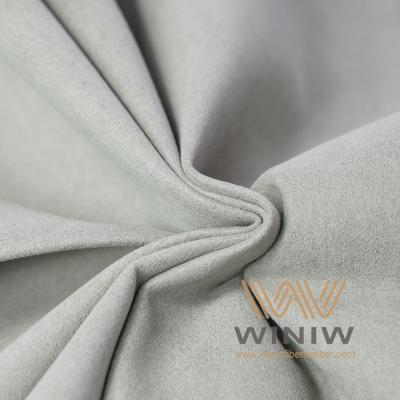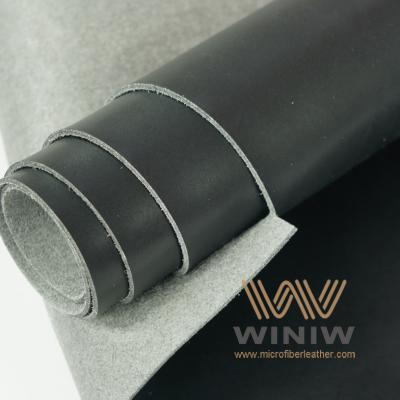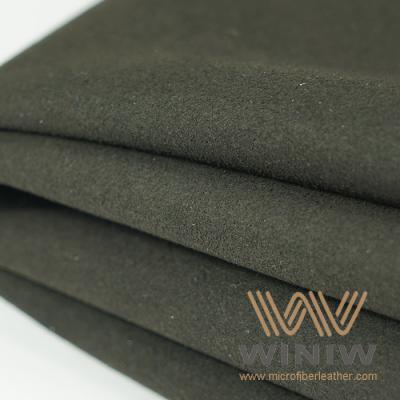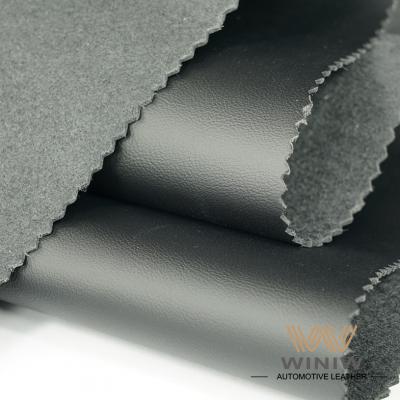
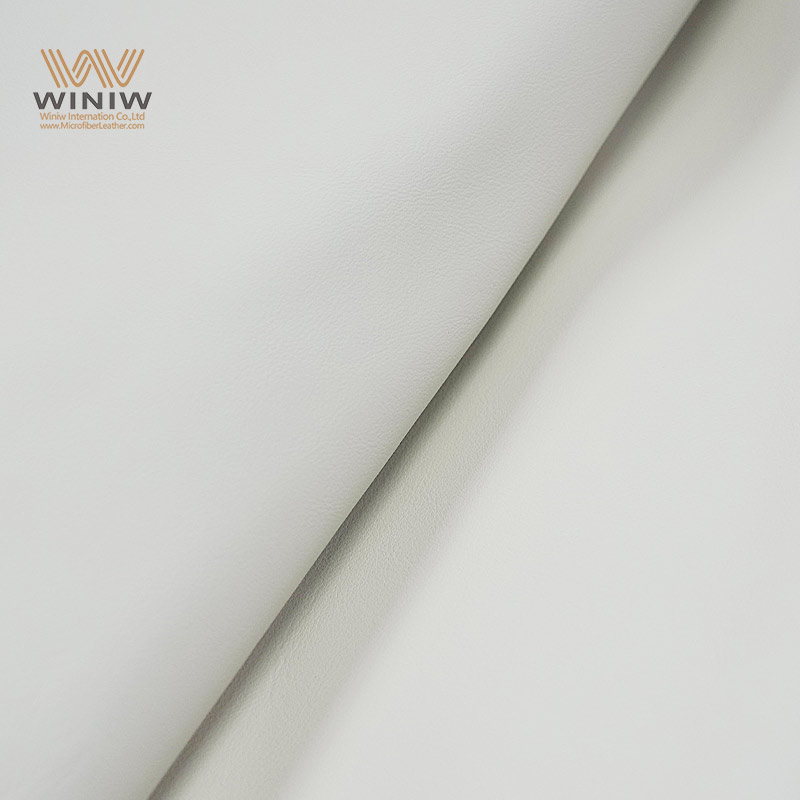
The key differences between genuine leather suede and suede start with their texture and durability. Genuine leather suede feels smooth and polished, while suede has a soft, matte surface. The table below shows how suede vs leather compare in durability, fiber density, and maintenance.
|
Feature |
Genuine Leather Suede |
Suede |
|---|---|---|
|
Durability |
Lasts 20 years or more |
Lasts 5 to 7 years |
|
Appearance |
Develops a valued patina |
Shows wear, flattens easily |
Genuine leather suede lasts over 20 years, while suede typically lasts 5 to 7 years. Choose based on how long you want your item to last.
Genuine leather suede has a smooth, polished finish, while suede has a soft, matte texture. Consider the look and feel you prefer.
Suede requires more care than genuine leather. Use special brushes for cleaning suede and condition leather to keep it looking good.
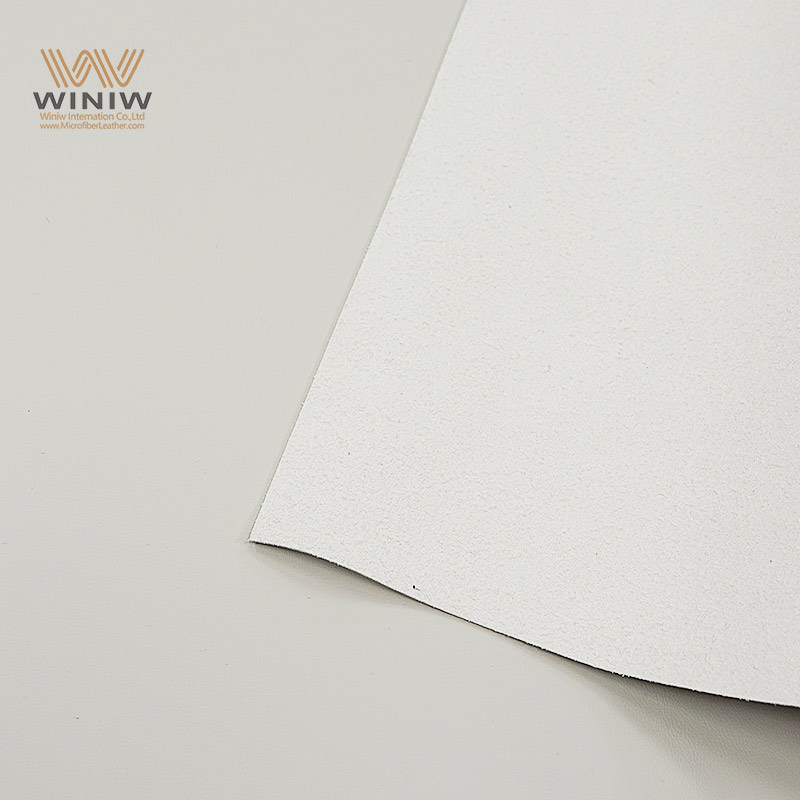
Understanding the definitions of genuine leather suede and suede helps clarify their unique qualities. Industry standards describe suede as the reverse side of the skin, sanded to create a rougher texture. Genuine leather suede refers to a type of leather made from the outer grain side of the hide, which preserves the natural protective layer. This distinction forms the basis for the key differences between these materials.
Suede is produced from the inside of the animal hide, resulting in a soft, velvety surface.
Genuine leather suede comes from the outer grain side, offering a smooth and polished finish.
Each type of leather has its own characteristics, with genuine leather suede being more durable and resistant to wear.
The difference between suede and leather begins with the part of the hide used. Genuine leather is derived from the outer grain side, which retains its protective qualities. Suede is made from the inner flesh side, giving it a softer texture but making it more delicate.
The manufacturing process for each type of leather involves distinct tanning and finishing methods:
Genuine leather suede is created by treating the outer layer, resulting in a dense and tightly woven structure.
Suede is exclusively manufactured from the inside of the hide, which is less dense and features a nappy texture.
The tanning process for suede focuses on the flesh side, contributing to its unique softness.
Technological advancements have introduced microfiber suede, which mimics the texture of natural suede and improves durability.
Both genuine leather suede and suede rely on animal hides, raising environmental concerns. The livestock industry impacts greenhouse gas emissions, land use, and water consumption. Tanning processes often use chemicals that can harm ecosystems. Some manufacturers now use cleaner methods, and alternatives like microfiber suede offer more sustainable options.
The main differences between suede and leather are evident in their structure and surface characteristics. Genuine leather suede is denser and tightly woven, making it tough and resistant to moisture and abrasion. Suede, on the other hand, is more delicate and prone to stains, scuffs, and water damage.
|
Characteristic |
Suede |
Genuine Leather |
|---|---|---|
|
Texture |
Soft, velvety touch |
Smooth, hard surface |
|
Durability |
More delicate |
Tougher and more resistant |
Leather is suitable for various occasions and environments due to its durability.
Suede requires extra care to prolong its lifespan and is more susceptible to damage.
The characteristics of leather include resistance to wear, moisture, and abrasion.
The characteristics of suede focus on its stylish appearance but also its vulnerability to stains and water.
Many people believe suede needs more upkeep than leather, but both materials require different types of maintenance. Another misconception is that suede is ruined by water; it can withstand moisture if treated properly. The suede vs leather debate often centers on these maintenance requirements and the longevity of each material.
Tip: When choosing between suede vs leather, consider the intended use and maintenance needs. Genuine leather suede offers greater durability, while suede provides a unique look but demands careful care.
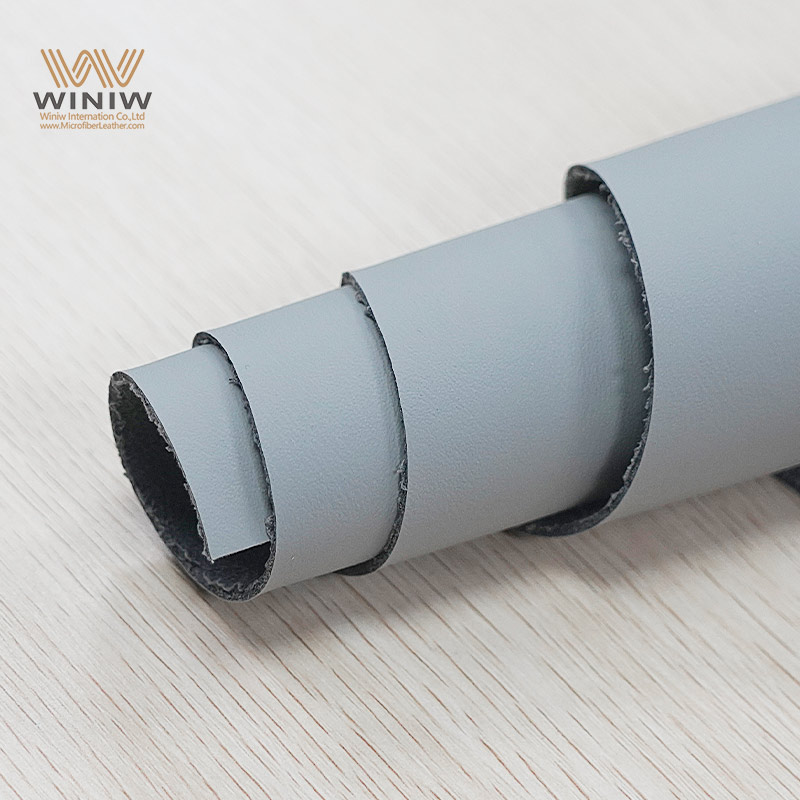
The texture and surface feel of leather vs suede create distinct experiences for users. Leather offers a smoother, polished surface that feels cool and firm to the touch. Suede, in contrast, provides a soft, velvety texture that many people associate with tactile luxury. The difference in feel comes from the part of the hide used and the finishing process. Leather retains the outer grain, giving it a uniform appearance and a surface that is less resistant to touch. Suede comes from the inner side, resulting in a napped finish that feels soft and slightly resistant when you run your hand over it.
|
Feature |
Suede |
|
|---|---|---|
|
Texture |
Smoother, polished surface |
Soft, napped texture |
|
Tactile Assessment |
Less resistant to touch |
Slightly resistant, velvety feel |
|
Visual Assessment |
More uniform appearance |
Subtle variations in texture and tone |
|
Backing Inspection |
Outer surface characteristics retained |
Fibrous, textured backing |
Both materials deliver sublime textural experiences, but in different ways. Leather appeals to those who prefer a sleek, refined aesthetic, while suede attracts those who enjoy a soft, inviting feel. The velvety texture of suede stands out, especially in products like shoes and jackets, where a luxurious touch is desired. The feel of each material influences not only comfort but also the overall aesthetic of the item.
Durability variations between leather vs suede are significant. Leather is more durable because it uses the dense outer layer of the hide. This makes it resistant to wear and tear, as well as less likely to tear under stress. Suede, made from the inner layer, is softer but less robust. It can show scuffs and marks more easily, and its fibers may flatten over time.
Performance in daily use depends on the environment and care. Leather withstands heavy use and exposure to moisture better than suede. Suede is sensitive to water, which can cause stains and loss of natural oils. Proper maintenance can extend the life of both materials, but suede requires more attention. Specialized cleaning tools, such as a two-sided suede brush, help remove dirt and restore the nap. Leather, on the other hand, benefits from occasional conditioning to maintain its sheen and flexibility.
Leather is ideal for items that demand strength and long-lasting performance, such as belts, bags, and furniture.
Suede works well for accessories and clothing that prioritize a soft feel and unique aesthetic, but it is less suited for harsh conditions.
The aesthetic differences between leather vs suede are easy to spot. Leather often features a polished, glossy surface that reflects light, giving it a sophisticated look. Suede has a matte finish, which absorbs light and creates a soft, understated aesthetic. The color palette also differs. Leather tends to offer richer, deeper hues that maintain their vibrancy over time. Suede usually comes in muted, casual colors that can dull with wear.
Suede has a matte finish and a soft, fuzzy texture, creating a relaxed aesthetic.
Leather features a polished, sometimes glossy surface, contributing to a more formal aesthetic.
Suede shows wear faster and may dull in color, while leather retains its durability and color integrity longer.
The velvety texture of suede enhances its aesthetic appeal, especially in fashion items.
Leather’s sheen and uniform surface support a classic, timeless aesthetic.
|
Suede |
Leather |
|---|---|
|
Inner side or flesh side |
Outer layer of the skin |
|
Soft, napped texture |
Strong, smooth texture |
|
Fuzzy, matte finish (without shine) |
Satin or glossy finish |
The performance of each material in maintaining its aesthetic depends on care. Suede should not be polished, as this can damage its appearance. Proper storage, away from plastic containers and direct sunlight, helps prevent mold and fading. Leather, with its natural oils and protective surface, is easier to maintain and keeps its aesthetic qualities longer.
Note: When choosing between leather vs suede, consider the performance you need and the aesthetic you prefer. Leather is more durable and easier to maintain, while suede offers a soft, velvety texture and a unique look that requires careful care.
Genuine leather and suede serve different roles in fashion, upholstery, and accessories. Leather is often chosen for its strength and polished appearance. It appears in jackets, shoes, belts, and bags that need to last and look professional. Suede, with its soft texture, is popular for casual jackets, shoes, and handbags. In upholstery, leather covers sofas and recliners for a durable, elegant finish. Suede adds a cozy feel to cushions and some furniture. The table below highlights these aesthetic applications:
|
Material |
Fashion Uses |
Upholstery Uses |
Accessories Uses |
|---|---|---|---|
|
Genuine Leather |
Jackets, shoes, belts, bags |
Sofas, recliners, furniture |
Belts, bags, shoes |
|
Suede |
Casual jackets, shoes, handbags |
Sofas, cushions |
Casual bags, shoes |
Maintenance differences between leather and suede are important to consider. Leather usually has a protective finish, so it needs regular conditioning to prevent drying and cracking. It is less likely to stain permanently. Suede is highly porous and stains easily. It requires gentle cleaning with special brushes and must be kept away from moisture. For sticky stains, use a blunt knife and a suede brush. Store suede in breathable bags to avoid mildew. Suede needs more frequent and delicate care, which is one of its cons. Leather’s pros include easier maintenance and better resistance to daily wear.
Tip: Always check care tags before cleaning either material. For tough stains, consult a professional.
Genuine leather products often cost more than suede because of their durability and classic look. Leather’s pros include a longer lifespan and higher resale value. Suede’s cons involve its delicate nature and the need for more maintenance. However, suede offers flexibility and a unique style. Both materials require care, but leather usually provides better long-term value.
Choosing between suede and leather depends on your needs. Leather lasts longer and resists wear, while suede feels softer but needs more care. The table below shows key differences. Consider durability, maintenance, and cost before deciding which material fits your lifestyle.
|
Feature |
Suede |
Leather |
|---|---|---|
|
Durability |
Less durable |
Highly durable |
|
Maintenance |
Specialized cleaning |
Low maintenance |
|
Cost |
Lower |
Higher |

Suede comes from the inner hide, giving it a soft, napped texture. Leather uses the outer layer, making it smoother and more durable.
You can use special sprays to add water resistance to both materials. Leather naturally resists water better than untreated suede.
Leather is easier to clean. Most stains wipe off with a damp cloth. Suede needs special brushes and gentle care to avoid damage.
Winiw International Co.,Ltd


Scan to wechat:



 Tel : +86 18150976625
 Email : Market@MicrofiberLeather.com