Packing Leather items the right way keeps your goods safe from sun exposure, extreme temperature changes, and stains. You protect your leather’s longevity, look, and durability by using gentle care. When you follow these steps, your favorite leather pieces arrive looking as great as when you packed them.
Always clean and condition leather items before packing. This step helps maintain their quality and prevents damage during transit.
Use breathable materials like cotton dust bags or pillowcases for wrapping leather. These materials protect against moisture and scratches better than plastic.
Store leather items in a climate-controlled space after your trip. Proper storage prevents mold, cracking, and fading, keeping your leather looking great.
Packing leather items for moving or travel protects them from scratches, deformation, and moisture damage. You avoid common risks by wrapping leather in a cotton sheet or fabric layer before applying plastic wrap. This prevents sticking and reduces sweat buildup, which can cause lasting harm. Proper packing also minimizes cracking during transit. Careful preparation ensures your leather goods arrive in excellent condition.
Tip: Always pack leather items with breathable materials to maintain their quality during travel.
You need the right essentials first to pack leather safely. Experts recommend several materials for packing leather:
Breathable dust bags made of cotton or canvas prevent moisture buildup.
Clean white cotton pillowcases protect leather from dust.
Acid-free tissue paper maintains shape and adds extra protection.
Cedar blocks or lavender sachets absorb moisture and repel pests.
High-quality cotton or linen dust bags allow air circulation.
Soft clothing can cushion leather items inside sturdy boxes.
Packing leather with these materials keeps your goods safe from environmental hazards during travel.
Before packing leather, clean and condition each item. Use a specialized leather cleaner or mild soap diluted in distilled water. Wipe gently with a soft, damp cloth and test on an inconspicuous area first. Condition leather afterwards to restore moisture and protect the finish. Apply conditioning treatments gradually, allowing full absorption. This prevents over-conditioning and keeps leather supple. Conditioning replenishes lost oils, creates a protective barrier against moisture, and preserves longevity. If you notice significant damage, consider professional cleaning and restoration.
Note: Evaluate all leather items for wear and address issues promptly before packing for travel.
Start your packing process by laying out all your leather goods. Sort each item by importance and frequency of use. For example, keep your passport, wallet, and phone in a spot where you can reach them quickly during your trip. Place sweaters, extra shoes, and less-used items deeper in your travel bag. Use smaller organizers like packing cubes or soft pouches to group similar items together. Chargers, toiletries, and accessories stay neat and easy to find this way. Assign pockets for specific items. Keep your passport and IDs in a secure zippered pocket. Place chargers and cables near the top flap for quick access. Layer heavier items close to your back to balance the load and prevent strain on your travel bag’s seams. Always keep a small emergency kit with essentials like medication and safety pins inside your bag.
Grouping leather items by category makes your packing list more efficient. You will find what you need faster and protect delicate items from heavier ones. This method reduces the risk of damage during your trip.
You want your leather bags and shoes to keep their shape throughout your journey. Stuff shoes with acid-free tissue paper, socks, or newspaper. This helps them hold their form and absorb any moisture. For suede or leather shoes, apply a protective spray before packing. Place each pair in a breathable shoe bag or pillowcase. Use a shoe shaper if you have one to prevent creasing.
Stuff handbags with acid-free tissue paper to maintain their structure. Always position bags upright in your travel bag. Avoid hanging them by their straps, as this can stretch the leather. Group similar-sized bags together to prevent larger ones from crushing smaller ones. If you need to stack bags, use rigid boards between them for extra support.
Protect your leather items by wrapping each one in a dust bag or cotton pillowcase. These materials shield your goods from dust, scratches, and light exposure. They also regulate moisture better than plastic, which can trap humidity and cause mold. For extra protection, cushion your leather items with soft clothing or acid-free tissue paper. If you use a vacuum for cleaning, choose a soft brush attachment to avoid scratching the surface. Before you pack, apply a leather conditioner to maintain the finish and flexibility. For larger items, cover them with a moving blanket and secure with plastic wrap to guard against moisture during your trip.
Tip: Dust bags and cotton pillowcases work better than plastic bags for leather. They let your items breathe and prevent fading.
The way you place items in your travel bag or suitcase matters. Fill bags and purses with tissue paper or cloth to help them keep their shape. Place each item in a dust bag before packing. If you use a box, add desiccants to control humidity. Always put heavier items, like laptops or water bottles, toward the center and close to the back panel. This balances the load and prevents downward pressure on the lower panels of your travel bag. Avoid overloading your bag, as too much weight can weaken stitching and distort seams. Distribute weight evenly to protect your leather goods from deformation.
Leather shoes need special care when you pack them for a trip. Remove laces and insoles to reduce pressure points and help shoes keep their shape. Clean the surface with a damp cloth or leather cleaner. Stuff each shoe with acid-free tissue paper or clean newspaper. This step absorbs moisture and keeps the structure intact. Apply a light conditioner to prevent drying and cracking. Use shoe shields to protect high-wear areas from scuffs. A thin layer of wax polish adds extra protection against scratches.
For accessories like belts and wallets, follow these best practices:
|
Recommendation |
Description |
|---|---|
|
Use dust bags |
Keep wallets in their original dust bags or breathable fabric covers to protect from damage. |
|
Maintain shape |
Store wallets flat or upright in their natural shape. Avoid bending or overstuffing. |
|
Separate by type |
Separate wallets by color and leather type to prevent color transfer or chemical reactions. |
Store wallets in cotton bags instead of plastic to allow air circulation. Stuff them with soft tissue to help them keep their shape.
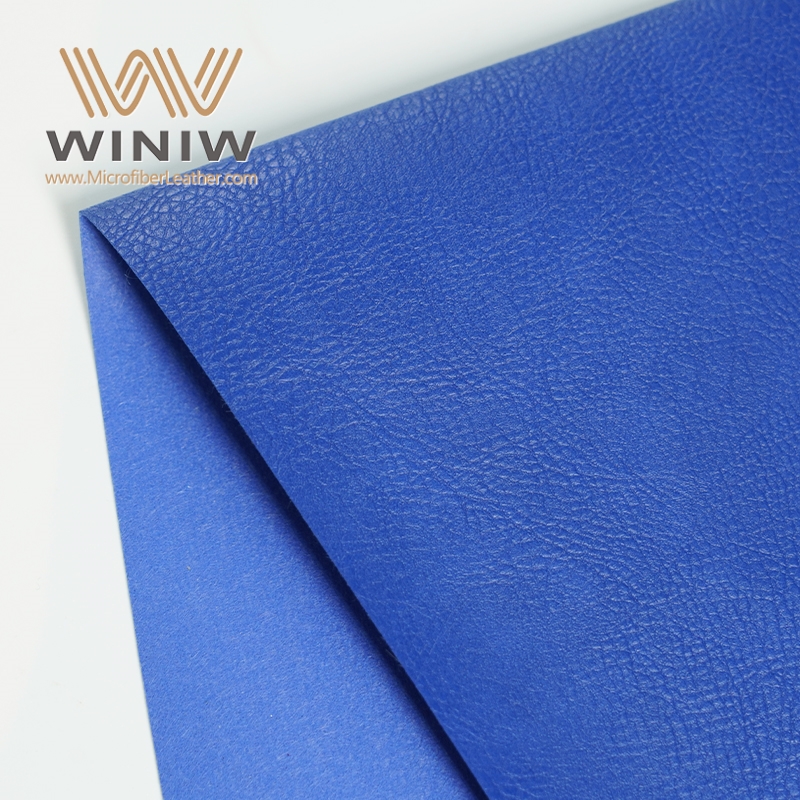
A leather weekend bag is a stylish and practical choice for a short trip. To keep it in top condition, use a waterproof toiletry bag for liquids. This prevents spills from damaging the leather. Roll your clothes to save space and reduce wrinkles. Use the compartments and pockets in your travel bag to organize small items. Keep essentials like your phone, passport, and wallet in easy-to-reach spots. Place heavier items at the bottom and lighter ones on top. This method protects the bag’s structure and makes your packing list more manageable.
Avoid overpacking your travel bag. Overstuffing stretches seams, bulges corners, and puts too much strain on straps. This can lead to tearing or permanent damage. Stick to your packing list and only bring what you need for your trip.
After your trip, store your leather items in a climate-controlled space. Ideal conditions include temperatures between 60–70°F (15–21°C) and relative humidity between 45–55%. Avoid storing leather in basements, attics, or other places with extreme temperature changes. Do not use airtight containers or plastic wrap. Instead, use breathable cotton bags for proper ventilation. Unpack your travel bag as soon as possible to let your leather goods air out. This prevents mold, cracking, and fading. Store each item in its natural shape and avoid stacking heavy objects on top.
Note: Proper storage after your trip keeps your leather items looking their best for years to come.
You can keep your leather items safe by following these steps:
Clean and condition leather before packing.
Wrap each piece in soft, breathable fabric.
Store in a climate-controlled space.
Unpack and air out items quickly.
Dry, condition, and protect leather after arrival.
Regular care keeps your leather looking its best.
You should stuff your leather weekend bag with soft clothing or tissue paper. This helps the leather weekend bag keep its structure and prevents creasing.
You should not use plastic bags for your leather weekend bag. Plastic traps moisture. Always use a cotton dust bag to protect your leather weekend bag and allow it to breathe.
You should wipe your leather weekend bag with a soft, damp cloth. Let your leather weekend bag air dry. Apply a leather conditioner to your leather weekend bag for best results.
Winiw International Co.,Ltd


Scan to wechat:



 Tel : +86 18150976625
 Email : Market@MicrofiberLeather.com