Choosing the best synthetic leather football requires you to focus on material quality, durability, and the right size. Many players prefer these footballs for their water resistance, easy care, and affordability. Consider your age, skill level, and where you play before making a decision.
|
Reason for Choosing Synthetic Leather Footballs |
Benefit |
|---|---|
|
Polyurethane coating prevents water absorption |
Maintains shape and weight in wet weather |
|
Cost-effective manufacturing |
Accessible to more players |
|
Simple upkeep |
Easy to clean and maintain |
Choose a synthetic leather football for its durability, water resistance, and easy maintenance. This helps you focus on your game without worrying about the ball.
Select the right size football based on your age and skill level. Using the correct size improves your control and reduces the risk of injury.
Inspect the ball's material and bladder type before buying. A butyl bladder offers better durability and consistent bounce, ensuring a great playing experience.
You want a football that lasts, feels good, and fits your budget. Synthetic leather footballs offer all these benefits. They resist abrasion and water, so you can play on different surfaces and in wet weather without worry. You do not need to spend much time on maintenance. A simple wipe keeps your ball clean. Many amateur and professional players choose synthetic leather because it gives a consistent touch and bounce. This helps you develop your skills and enjoy the game more.
Tip: Synthetic leather footballs are a cost-effective choice for teams and players who want quality without a high price tag.
|
Feature |
Synthetic Leather Footballs |
Genuine Leather Footballs |
|---|---|---|
|
Lifespan |
A few months to several years |
Usually outlasts synthetic if properly cared for |
|
Maintenance Requirements |
Requires less maintenance, water-resistant |
Requires regular maintenance to prevent moisture absorption |
|
Performance in Wet Conditions |
Maintains shape and weight, easier to handle |
Struggles, absorbs water, becomes heavy and hard to control |
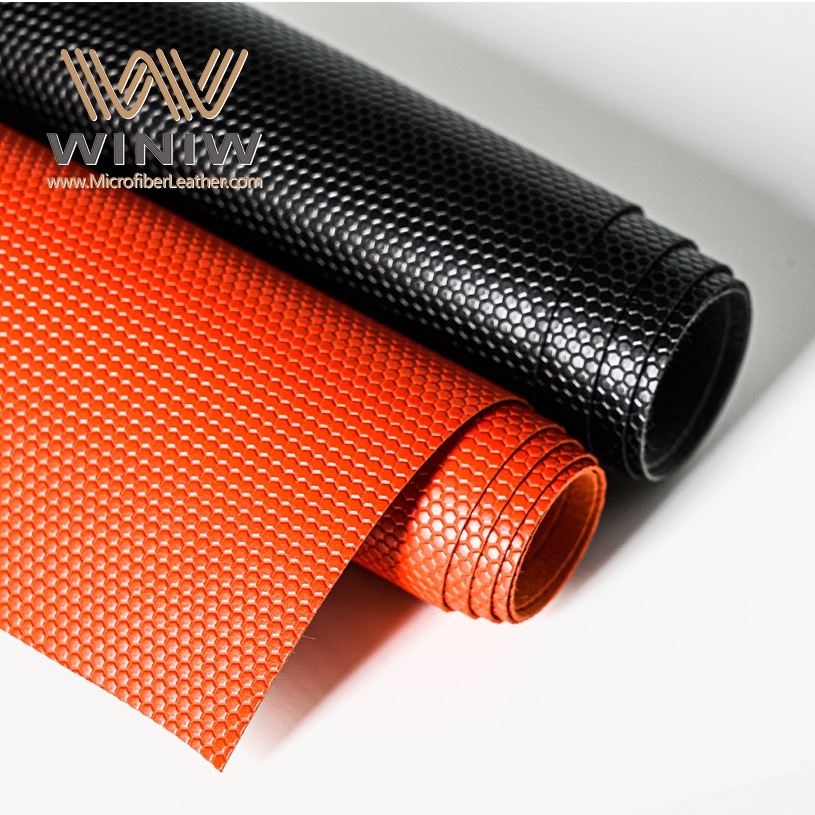
When you look for the best synthetic leather football, check the material and surface. PU leather stands out as the most durable option. It can handle thousands of kicks and rough play without losing shape. The water-resistant coating keeps the ball light and easy to control, even in rain. You also get a soft touch that feels like real leather. This helps you improve your football performance and enjoy every match.
|
Property |
Description |
|---|---|
|
Abrasion Resistance and Durability |
PU leather can withstand tens of thousands of abrasions without damage, ensuring longevity. |
|
Waterproofness |
PU leather has a water-resistant coating, maintaining stable weight in wet conditions. |
|
Flexibility and Resilience |
Provides a soft feel similar to natural leather while resisting deformation in various temperatures. |
|
Environmental Protection |
PU leather carries certifications ensuring it is free of harmful substances and safe for use. |
You can trust synthetic leather footballs for casual games, training, and matches in any weather.
The inside of the football matters as much as the outside. High-quality balls use butyl bladders for consistent bounce and air retention. Latex bladders give more bounce but do not last as long. For the most durable option, choose a ball with a butyl bladder. The stitching also affects how long your ball lasts. Hand-stitched footballs keep their shape and do not absorb water. Thermo bonded balls have no seams, so they last longer and perform better.
|
Bladder Type |
Durability |
Bounce Quality |
Ideal Use |
|---|---|---|---|
|
Latex |
Less durable |
Higher bounce |
Recreational and training |
|
Synthetic Rubber |
Less durable |
Lower consistency |
Lower-end footballs |
|
Butyl |
Most durable |
Consistent bounce |
High-level matches |
Note: Always check the stitching and bladder type before you buy a football. This ensures you get the best value and performance.
Choosing the right size is the first step to finding the best synthetic leather football. The size of the football affects how well you can control, kick, and pass. If you use a ball that is too big or too heavy, you may struggle to develop your skills or even risk injury. International football associations recommend different sizes for different age groups. Use the table below to match the ball size to your age:
|
Size |
Age Group |
Circumference (inches) |
Weight (grams) |
|---|---|---|---|
|
Size 1 |
Under 3 years |
18–20 |
200 |
|
Size 2 |
Ages 3-6 |
21–22 |
250 |
|
Size 3 |
Under 9 years |
23–24 |
320-350 |
|
Size 4 |
Ages 8-12 |
25–26 |
350-390 |
|
Size 5 |
13 years and up |
68-70 |
410-450 |
Selecting the correct size helps you improve your grip, control, and confidence. For young players, a smaller ball makes it easier to learn basic skills and reduces frustration. As you grow older, you can move up to larger sizes that prepare you for competitive play.
You need to match the football to your age and skill level. This choice supports your development and keeps you safe. Using a regulation ball when you are too young can cause injuries because your muscles are not ready for the extra weight. A smaller ball helps you practice dribbling, passing, and shooting with better control.
|
Soccer Ball Size |
Circumference |
Weight |
Age Group |
|---|---|---|---|
|
1 |
18-20 inches |
200-250 grams |
All ages (skills) |
|
2 |
20-22 inches |
250-280 grams |
3-5 years |
|
3 |
23-24 inches |
300-320 grams |
5-8 years |
|
4 |
25-26 inches |
350-390 grams |
8-12 years |
|
5 |
27-28 inches |
410-450 grams |
13 and older |
Always select the appropriate football size based on your age and skill level.
Avoid using a ball that is too heavy for your muscles.
Practice with the right ball to improve your technique and reduce injury risk.
Your level and style of play also matter. If you play in matches, look for balls with official certifications. For training or casual games, you can choose a ball that focuses on durability and easy maintenance. Synthetic leather footballs work well in all weather and on different surfaces, making them a smart choice for most players.
Before you buy a football, use this checklist to make sure you get the best synthetic leather football for your needs:
Determine Usage: Decide if you need the ball for matches, training, or casual play.
Select Correct Size: Check the recommended size for your age group.
Check Certification Label: Look for FIFA Quality, FIFA Quality Pro, or IMS logos for match balls.
Inspect Material: Choose PU covers for matches and PVC for heavy-duty training.
Evaluate Bladder: Pick butyl for low maintenance or latex for a tournament feel.
Verify Authenticity: Buy from authorized dealers to avoid counterfeits.
Test Inflation: Inflate the ball and check if the valve seals tightly.
Avoid Red Flags: Be cautious of very low prices, vague descriptions, or missing serial numbers.
Review Warranty and Return Policy: Most brands offer a two-year warranty and a 180-day return period. Make sure you understand the conditions for returns and claims.
Tip: Read consumer reviews and expert recommendations. Players often praise synthetic leather footballs for their grip and responsiveness. Watch out for common complaints like early deflation or discoloration.
You should always match the ball to your playing conditions. Synthetic leather footballs offer durability, weather resistance, and easy maintenance. These features help you focus on your game instead of worrying about the ball.
By following this guide, you can confidently choose the best synthetic leather football that fits your age, skill, and playing style.
You can select the best synthetic leather football by focusing on material, durability, features, and sizing. Follow these steps:
Match the ball size to the user’s age.
Inspect construction and water resistance.
Review warranty and avoid unclear descriptions.
A checklist boosts your confidence and satisfaction.
You get a football that is durable, easy to clean, and affordable. Synthetic leather helps you practice in any weather without worrying about damage.
Wipe the football with a damp cloth. Avoid harsh chemicals. Let it air dry. This keeps your football in good condition for longer.
Yes. You can play with a synthetic leather football on grass, turf, or concrete. The material resists abrasion and keeps its shape.
Winiw International Co.,Ltd


Scan to wechat:



 Tel : +86 18150976625
 Email : Market@MicrofiberLeather.com