


 Tel : +86 18150976625
 Email : Market@MicrofiberLeather.com
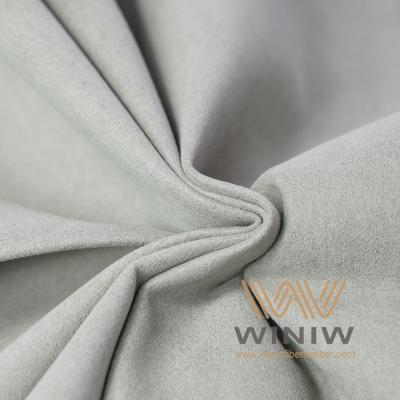
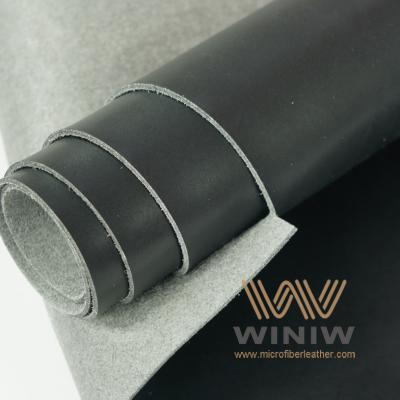
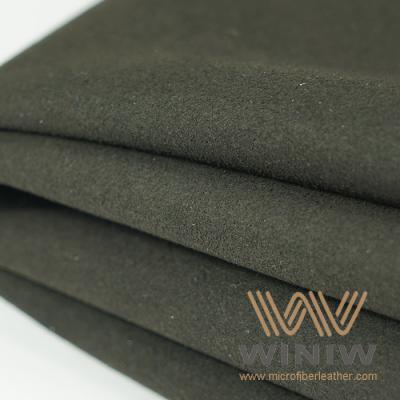
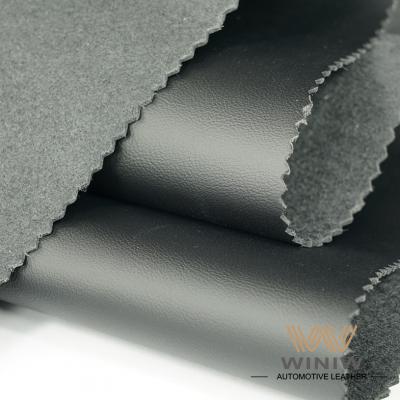
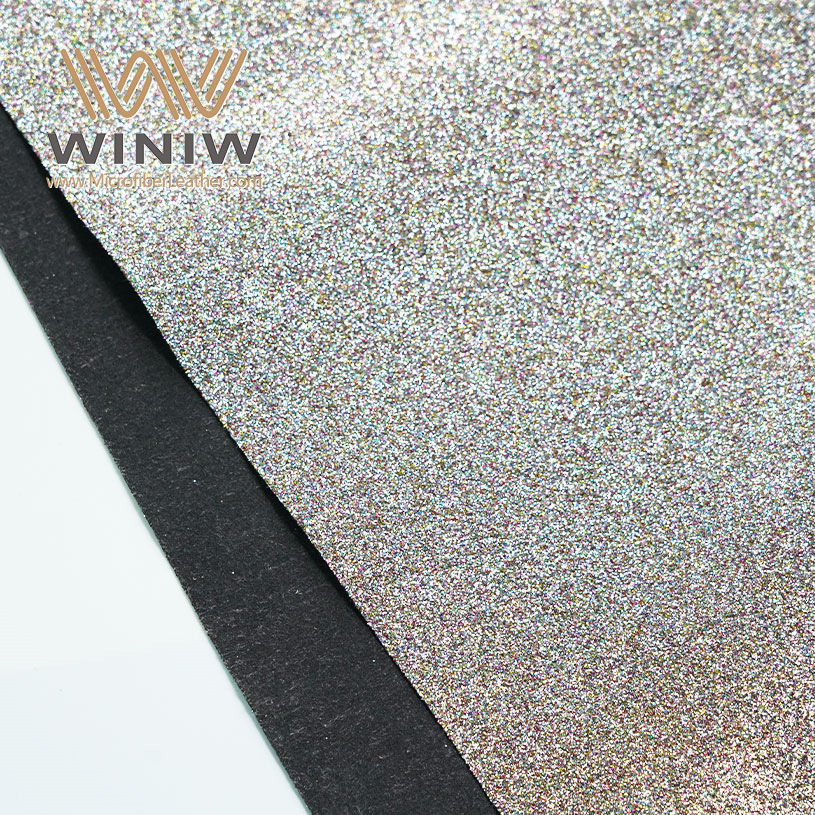
Choosing between a Pu Leather Pouch and a genuine leather pouch depends on your priorities. You may want to consider:
-
Durability: Genuine leather lasts longer.
-
Cost: PU leather offers a lower price.
-
Environmental impact: Leather choices affect sustainability.
-
Style: Genuine leather feels classic, PU leather suits daily use.
-
Maintenance: Leather care differs.
Think about what matters most to you. Your lifestyle and values help you pick the right leather pouch. Leather choices reflect personal taste, budget, and ethical concerns. Each leather option brings unique strengths. Leather durability, appearance, and care all shape your decision. Leather trends change, but your needs stay central.
PU Leather Pouch vs Genuine Leather Pouch Which Is Right for You
-
Consider your budget when choosing between PU leather and genuine leather. PU leather is more affordable, while genuine leather offers long-term value.
-
Think about how you will use the pouch. PU leather is great for daily use due to its easy maintenance, while genuine leather adds a touch of luxury for special occasions.
-
Evaluate the environmental impact of your choice. PU leather has a lower carbon footprint, but genuine leather is biodegradable and natural.
What Is a PU Leather Pouch?
PU Leather Features
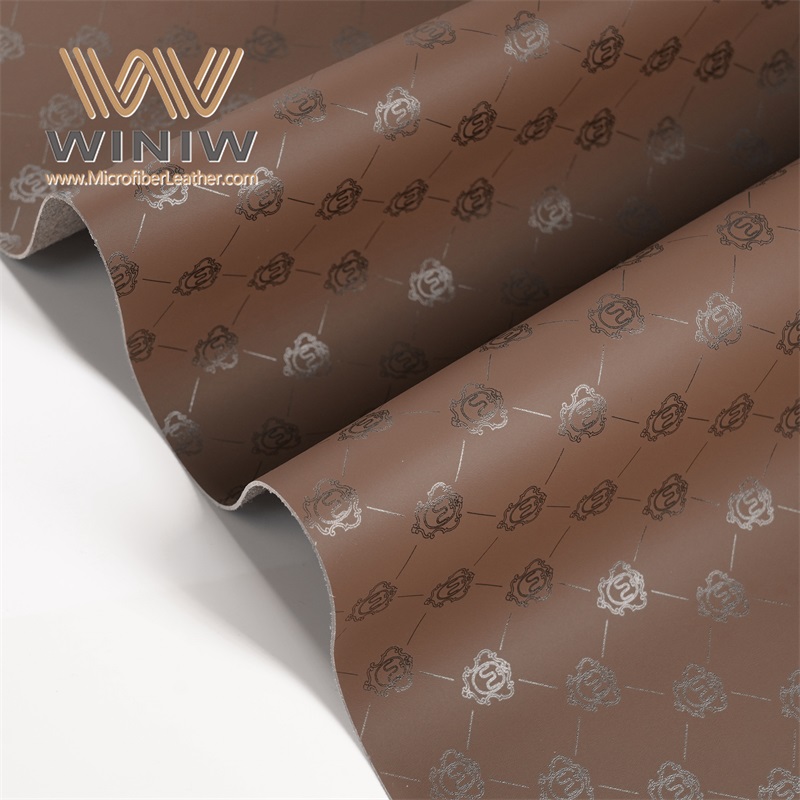
A pu leather pouch uses polyurethane, a synthetic material designed to look and feel like real leather. You get a lightweight and animal-free option that works well for daily use. Manufacturers often choose this material because it is cost-effective and easy to customize. You will notice that a pu leather pouch can come in many colors and patterns. The surface can be embossed or printed to mimic natural leather textures.
-
PU leather is durable and resists cracks and tears better than some real leather products.
-
The texture feels soft and comfortable, closely resembling genuine leather.
-
You can enjoy a uniform color and polished look with each pu leather pouch.
-
This material offers flexibility, making it ideal for different bag styles.
-
PU leather uses fewer harmful chemicals than PVC leather, which makes it less polluting.
A pu leather pouch fits many needs, from fashion handbags to work bags and printed totes. You will find that it maintains its appearance over time and is treated for scratch resistance.
Pros and Cons
You should weigh the advantages and disadvantages before choosing a pu leather pouch. The table below highlights the main points:
|
Advantages of PU Leather |
Disadvantages of PU Leather |
|---|---|
|
High cost-effectiveness |
Less breathable |
|
Easy cleaning and maintenance |
Lacks natural texture |
|
Durability |
|
|
High customizability |
|
|
Eco-friendliness |
|
A pu leather pouch gives you an affordable and ethical alternative to genuine leather. You can clean it easily with a damp cloth. However, it does not allow airflow, which may cause discomfort in hot weather. The texture feels synthetic and does not match the softness of real leather. Still, you get a stylish and practical choice for everyday use.
What Is Genuine Leather?
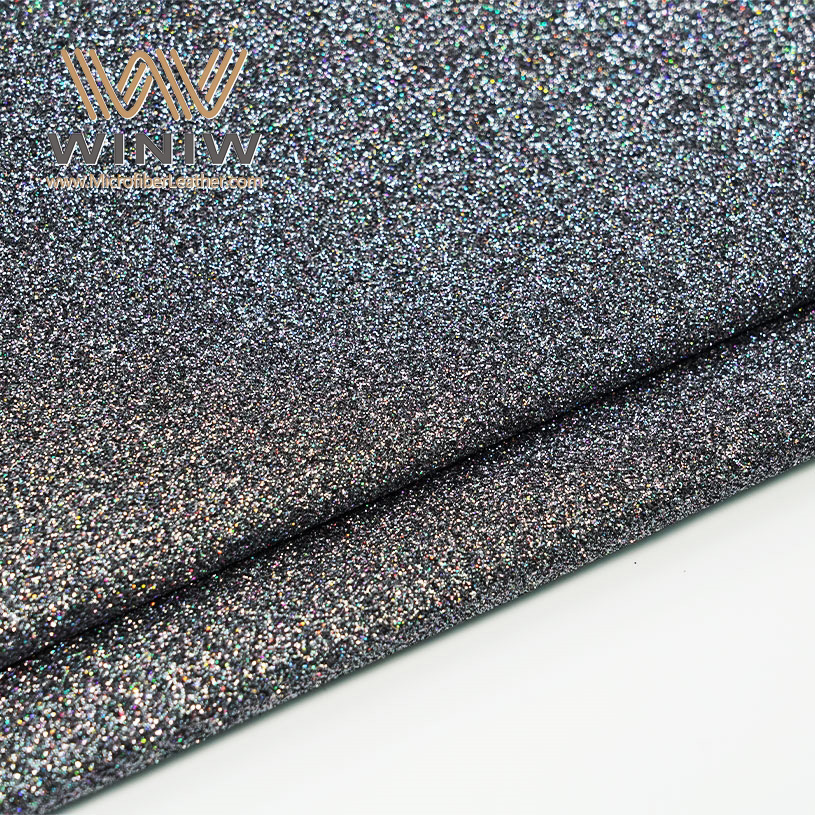
Genuine Leather Qualities
You will notice that genuine leather stands out for its natural look and feel. Manufacturers create genuine leather pouches from animal hides. The most common sources include:
-
Cowhide
-
Sheepskin
-
Pigskin
-
Goatskin
Cowhide gives you strength and durability, while sheepskin feels soft to the touch. Pigskin allows for breathability, and goatskin offers a lightweight option. Each type brings unique qualities to leather products. When you hold a pouch, the genuine leather touch feels distinct and often signals higher quality.
You may wonder how to spot quality leather. Look for a natural grain pattern and a rich scent. Genuine leather often shows small imperfections, which add character. However, you should know that genuine leather uses scraps and pieces sewn together. This process can affect both durability and aesthetics.
Genuine leather is among the lowest grades of leather, made from small scraps and pieces sewn together, which compromises its durability and aesthetic appeal. In contrast, full-grain leather retains the entire grain of the hide, making it much more durable and visually appealing as it develops a unique patina over time.
Pros and Cons
You should weigh the qualities of both genuine leather and synthetic options before making a choice. The table below highlights the main pros and cons of genuine leather pouches:
|
Pros |
Cons |
|---|---|
|
Luxurious look and feel |
Lower durability compared to higher-grade leathers |
|
Durability compared to synthetic options |
Susceptibility to water damage |
|
Ease of maintenance |
Higher cost compared to synthetic alternatives |
Genuine leather offers a classic appearance and a sense of luxury. You get a pouch that ages well and develops character. However, genuine leather may not last as long as full-grain leather. Water can damage it, and you will pay more than you would for synthetic materials. If you value the aesthetics and tradition of leather, genuine leather remains a strong choice.
Key Differences Between Genuine Leather and PU Leather
Durability and Longevity
When you compare the durability of genuine leather and PU leather, you see clear differences. Genuine leather stands out for its long-lasting nature. If you take care of it, a genuine leather pouch can last decades. PU leather, while strong, usually does not match this lifespan.
Here is a table that shows the average lifespan for each material:
|
Material |
Average Lifespan |
|---|---|
|
2–5 years |
|
|
Genuine Leather |
10–50+ years |
You will notice that genuine leather offers much greater value over time. It resists daily wear and tear, but you need to maintain it. PU leather pouches resist cracks and stains, but they may peel or crack after a few years. If you want a pouch for short-term use or frequent style changes, PU leather works well. For long-term value and durability, genuine leather is the better choice.
Signs of wear also differ between the two. PU leather often keeps a uniform look but can appear artificial as it ages. Genuine leather develops a patina, showing creases and scuffs that add character. You may prefer the natural aging of genuine leather if you value uniqueness.
Appearance and Style
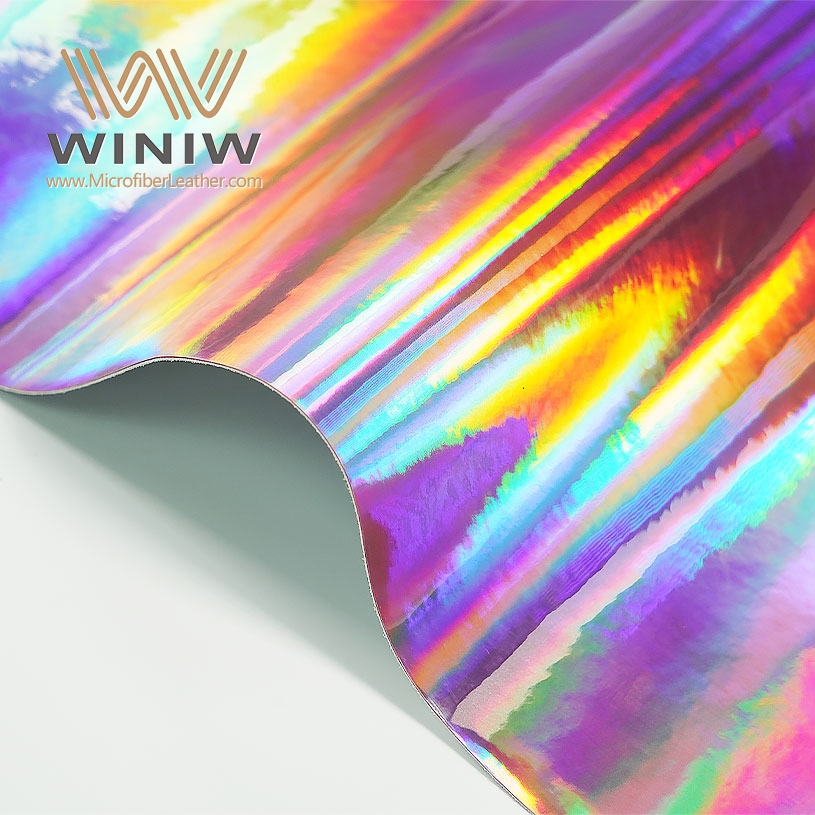
The appearance and style of your pouch can influence your decision. PU leather pouches often have a smooth, even color and a shiny finish. Manufacturers can create many colors and patterns, so you get a wide range of style options. Genuine leather pouches display natural grain and unique imperfections, giving each pouch a one-of-a-kind look.
Here is a table comparing color and finish:
|
Feature |
PU Leather |
Genuine Leather |
|---|---|---|
|
Color |
Even-colored |
Natural variations |
|
Finish |
Factory-made shiny look |
Unique grain structure, matures over time |
|
Aging |
Does not age, may peel or crack |
Develops a rich patina over time |
You will see that PU leather pouches stay the same over time, but genuine leather changes and matures. If you want a pouch that looks new for years, PU leather is a good pick. If you enjoy a pouch that tells a story and gains character, genuine leather is the way to go.
Current style trends include bold colors like black, brown, deep green, and reds. Textured leather, such as woven or pebbled patterns, is popular. Many people choose pouches with multiple pockets for both function and style. Mini accessories, like card holders, are also in demand. Both materials can follow these trends, but genuine leather often brings a more classic and timeless style.
Cost Comparison
Affordability plays a big role in your choice. PU leather pouches cost much less than genuine leather pouches. The production process for PU leather is faster and simpler, which lowers the price. Genuine leather requires many steps and skilled work, making it more expensive.
Here is a table showing the price range per meter:
|
Type of Leather |
Price Range (per meter) |
|---|---|
|
Genuine Leather |
$120 - $180 |
|
Top-Grain Leather |
$100 - $150 |
|
Split Leather |
$50 - $80 |
|
Recycled Leather |
$11.5 - $14 |
|
PU Leather |
$3.5 - $4.5 |
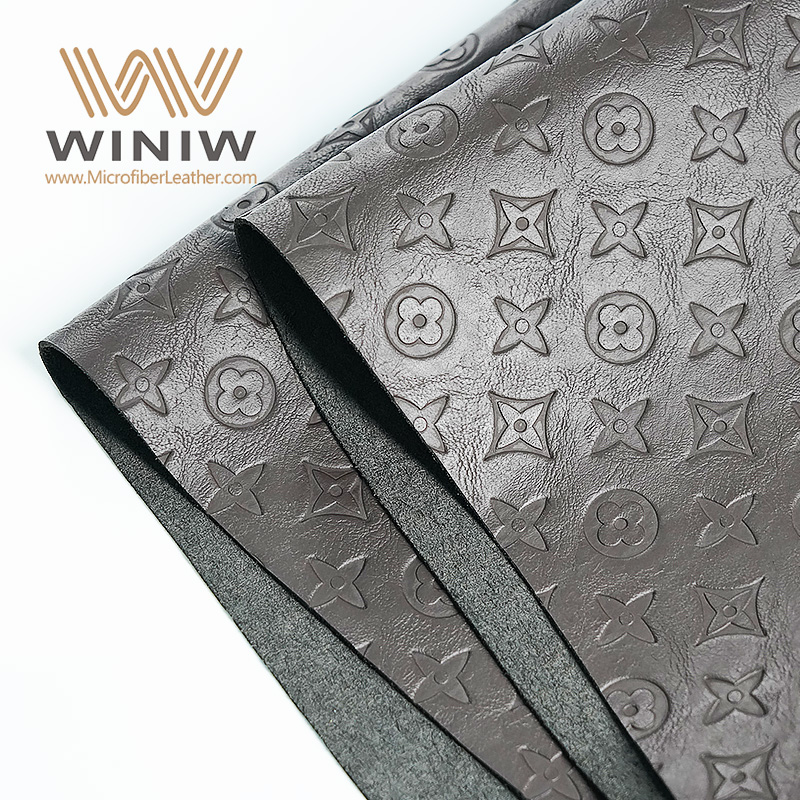
You get more affordability with PU leather. This makes it a smart choice if you want to follow trends or change your pouch often. Genuine leather costs more, but you gain value over time because of its durability and unique style.
Maintenance and Care
Maintenance is another key difference between genuine leather and PU leather. PU leather pouches require less care. You can clean them with a damp cloth and gentle soap. You do not need special cleaners or conditioners. Just avoid heat and sunlight, and let the pouch air-dry before storing.
Genuine leather pouches need more attention. You should wipe dust with a soft, dry cloth. Use a mild cleaner once a month and apply conditioner every few months. Before rainy seasons, treat your pouch with a waterproofing spray. This routine keeps the leather soft and prevents drying or cracking.
Here is a table that summarizes cleaning and maintenance:
|
Material |
Cleaning Routine |
Maintenance Routine |
|---|---|---|
|
PU Leather |
Use a damp microfiber cloth with gentle soap. |
Avoid heat and sunlight; air-dry before storage. |
|
Genuine Leather |
Wipe dust with a soft, dry cloth. |
Use mild cleaner monthly; apply conditioner every few months; treat with waterproofing spray before monsoon. |
You will find that PU leather pouches need less frequent maintenance. Genuine leather pouches require conditioning every three to six months. If you want a pouch that is easy to care for, PU leather offers more convenience. If you value the tradition and feel of real leather, you may enjoy the care routine and the value it brings.
Tip: Regular care extends the life of any leather pouch. Always store your pouch in a cool, dry place to maintain its appearance and value.
When you look at the key differences between genuine leather and PU leather, you see that each material fits different needs. PU leather gives you affordability, easy maintenance, and a wide range of style choices. Genuine leather offers unmatched durability, unique appearance, and long-term value. Your choice depends on what you value most—whether it is style, affordability, durability, or the tradition of real leather.
Environmental Impact
PU Leather Sustainability
You may want to consider how PU leather affects the environment. PU leather uses polyurethane, a plastic-based material, instead of animal hides. The production of PU leather creates a much lower carbon footprint than real leather. See the table below for a comparison:
|
Type of Leather |
Carbon Footprint (kg CO2e per square meter) |
|---|---|
|
PU Leather |
15.8 |
|
Genuine Leather |
110.0 |
PU leather can be made from recycled materials, which supports a circular economy. Some manufacturers use bio-based polyurethane from natural sources like vegetable oils. This reduces the need for fossil fuels. The process for making PU leather is less complex, so you see less waste and better control over material use. However, PU leather is not biodegradable. It comes from petroleum-based products, so it will stay in landfills for a very long time. If you burn PU leather, it can release toxic gases. You should know that PU leather is more eco-friendly than PVC leather, but both are plastics and not natural. Some faux leather uses recycled or renewable materials, which can lower the ecological impact.
Genuine Leather Sustainability
Genuine leather comes from animal hides, making it a natural product. Real leather is biodegradable, so it will break down over time. This means you face fewer disposal challenges compared to PU leather. However, the production of real leather has a much higher carbon footprint. The process uses a lot of water and energy.
Leather production not only requires a significant amount of water, but it also pollutes natural waterways. Polluted water dumped out of tanneries and slaughterhouses and which runs off farms and feedlots, can lead to environmental pollution and eutrophication. At the farm level, manure runoff can create ‘dead zones’ within waterways where aquatic life is unable to survive.
Up to 170 chemicals are used in the tanning process, including chromium, formaldehyde, and arsenic, which are known carcinogens.
To produce a standard cow skin leather tote bag, 17,127.8 liters of water is required, which equals to the amount of water a human is recommended to drink each day for over 23 years.
As a result, greenhouse gases are released, killing the trees and plants that could counteract this.
Tanning processes for real leather use toxic chemicals, especially chromium. These chemicals can harm aquatic ecosystems and soil health. Effluents from tanneries introduce heavy metals into water bodies. Waste from the leather industry can contaminate soil, posing risks to the natural environment. Real leather has a natural origin, but its production can cause serious pollution.
-
PU leather stays in landfills indefinitely, while real leather is natural and will decompose.
-
PU leather is made from petroleum-based products, making it non-biodegradable and hard to dispose of.
-
Real leather is a natural product that is biodegradable, so it poses fewer disposal challenges.
-
Burning PU leather can release toxic gases, but real leather does not have this issue due to its natural composition.
You should weigh the environmental impact of both options. PU leather offers lower carbon emissions and can use recycled materials, but it is not natural and does not break down. Real leather is natural and biodegradable, but its production harms water, soil, and air quality.
How to Choose the Right Pouch
Decision Guide
You want a pouch that fits your needs and style. Start by thinking about how you plan to use your clutch. Will you carry it every day, or only for special events? If you need a bag for daily use, pu leather bags offer great versatility and easy care. For formal occasions, genuine leather clutch bags bring a touch of luxury and timeless appeal.
Use this table to compare key criteria:
|
Criteria |
Genuine Leather Clutch Bags |
PU Leather Bags |
|---|---|---|
|
Touch and Perception |
Natural texture and feel |
Flat and plastic touch |
|
Longevity |
10–15 years or more |
1–3 years |
|
Maintenance |
Can be repaired, needs care |
Simple care, cannot be restored |
|
Odor |
Earthy, natural scent |
Chemical or synthetic odor |
|
Cost Effectiveness |
Higher initial cost, lasts longer |
Lower cost, less durable |
|
Sustainability |
More sustainable over time |
Less recyclable, plastic-based |
|
Fashion Value |
Luxury and high-fashion |
Less associated with high-fashion |
Lifestyle also matters. If you want a clutch that lasts for years, genuine leather clutch bags work best. If you prefer to change styles often, pu leather bags give you more versatility. For those who value comfort, genuine leather molds to your grip and feels breathable.
Follow these steps to choose your pouch:
-
Define the purpose of your clutch—work, travel, or events.
-
Check the quality of the leather—natural for durability, synthetic for trends.
-
Pick a color that matches your wardrobe.
-
Test the comfort—hold the clutch and see how it feels.
-
Focus on craftsmanship, not just the brand.
Care Tips
You can extend the life of both genuine leather clutch bags and pu leather bags with simple care. Here are the top tips:
-
Wipe your clutch regularly with a soft cloth to remove dust and dirt.
-
Clean stains right away using a microfiber towel and the right cleaner for your leather type.
-
Store your clutch in a cool, dry place away from sunlight to keep its shape and color.
Tip: Rotate your clutch collection to maintain their versatility and prevent overuse. This helps each bag last longer and keeps your style fresh.
You get the most out of your leather clutch when you care for it well. Whether you choose genuine leather clutch bags for their elegance or pu leather bags for their versatility, proper care ensures your pouch stays beautiful and useful.
You face a choice between PU leather and genuine leather pouches. Use this table to match your priorities:
|
User Priority |
PU Leather |
Genuine Leather |
|---|---|---|
|
Budget |
More affordable |
Higher cost |
|
Ethics |
Cruelty-free option |
Natural craftsmanship |
|
Style |
Modern, sleek look |
Classic, ages well |
-
Budget-conscious shoppers often pick PU leather for its price.
-
If you want durability, genuine leather lasts longer and develops character.
-
Ethical shoppers may prefer PU leather for its cruelty-free appeal.
Over time, genuine leather softens and shines, while PU leather may peel after a year. You should reflect on your lifestyle and values before choosing. Both leather options offer unique benefits, so your best pouch depends on what matters most to you.

FAQ
What makes genuine leather bags different from faux leather bags?
You get genuine leather bags made from animal hides. Faux leather uses synthetic materials. Genuine options last longer and develop a unique look. Faux leather offers more color choices and costs less.
Can you repair faux leather if it cracks or peels?
You cannot fully repair faux leather once it cracks. You may use patches or glue for small areas. Genuine leather bags allow for professional repairs and conditioning.
Are genuine leather bags better for the environment than faux leather?
You see genuine leather bags biodegrade over time. Faux leather does not break down. However, genuine production uses more water and chemicals. Faux leather uses plastics, which stay in landfills.
Tip: Choose genuine leather bags for long-term use. Pick faux leather if you want a cruelty-free and affordable option.