


 Tel : +86 18150976625
 Email : Market@MicrofiberLeather.com
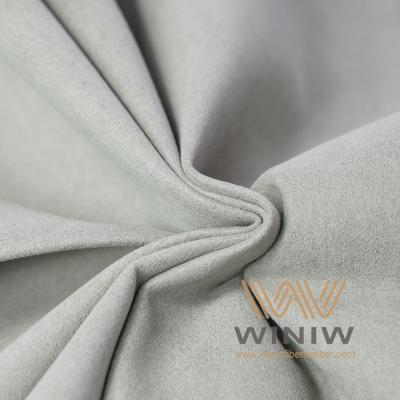
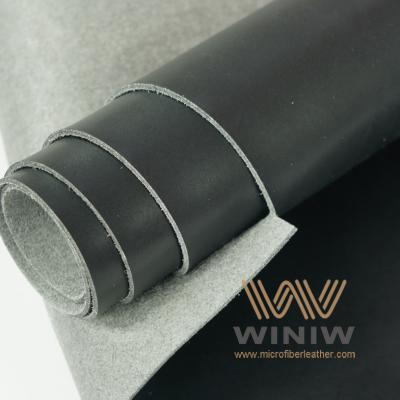
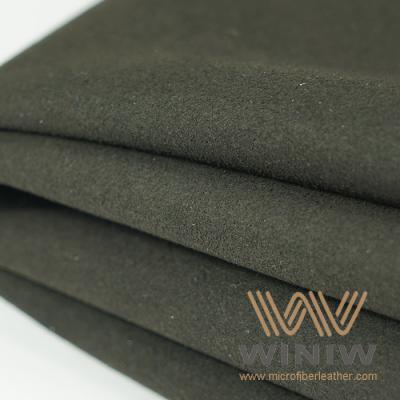
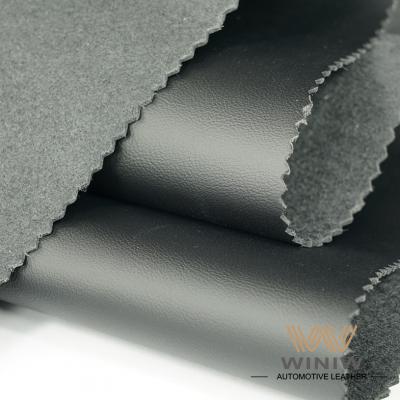
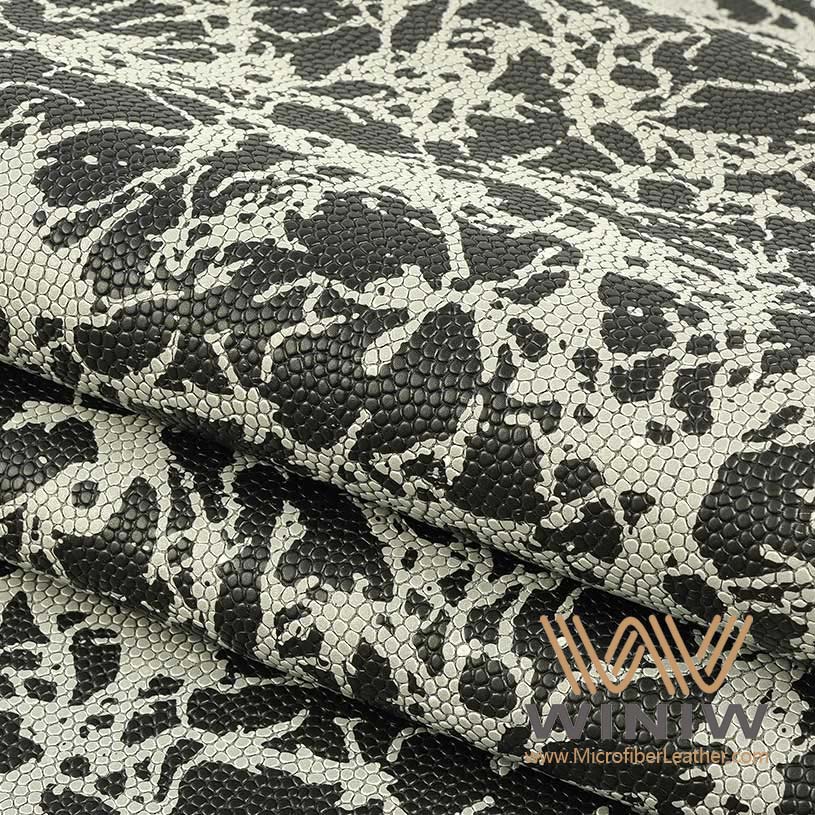
You encounter Football Pu Material in many top footballs. Polyurethane creates a durable, elastic surface that resists water and offers superior grip. Material choice shapes your play. As studies show, different surfaces affect speed, safety, and consistency:
|
Factor |
Impact on Match Performance and Durability |
|---|---|
|
Consistency of Play |
Enhances reliability and predictability |
|
Speed of Ball Movement |
Allows for faster passes and rebounds |
|
Injury Risk Reduction |
Reduces injuries through better shock absorption |
|
All-Weather Usability |
Remains playable in various weather conditions |
|
Durability and Longevity |
Lasts up to 10 years with proper care |
|
Maintenance Costs |
Lowers upkeep over time |
Choose your football wisely for the best experience.
PU Material in Footballs What You Need to Know
-
Polyurethane footballs offer excellent grip, durability, and water resistance, making them ideal for all weather conditions.
-
Choosing the right football material impacts your game, affecting speed, control, and injury risk.
-
Proper care of PU soccer balls, like cleaning and storing them correctly, extends their lifespan and maintains performance.
Football PU Material Basics
What Is Polyurethane
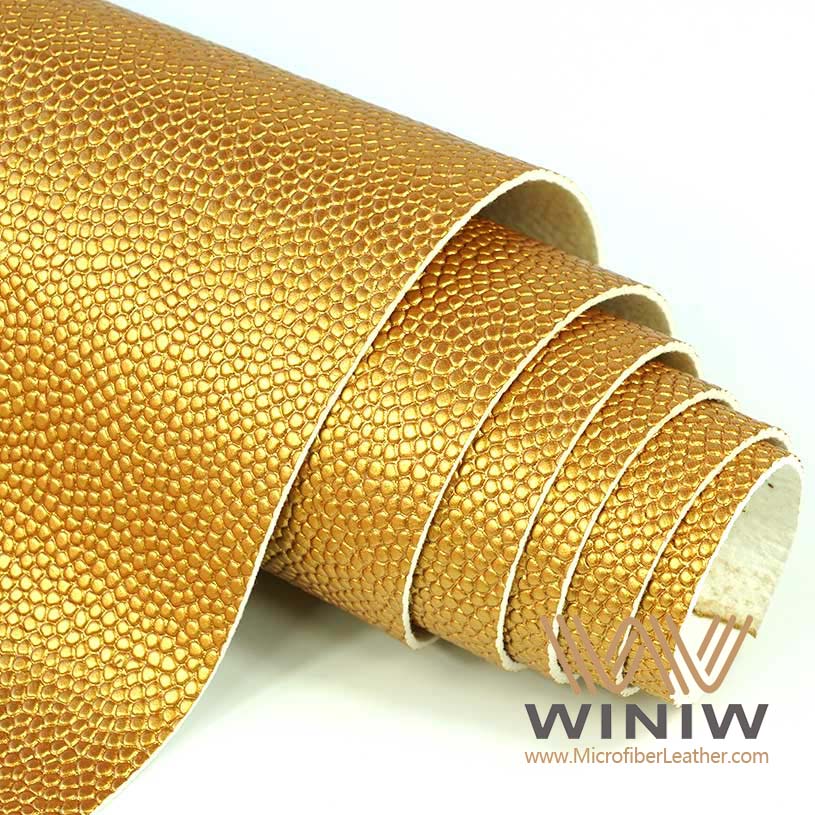
You often see polyurethane as a top choice among soccer ball materials. Polyurethane is a synthetic polymer that combines flexibility, strength, and resilience. When you look at the properties of polyurethane, you find it stands out for its wear resistance, elasticity, water resistance, and grip. These qualities make it ideal for football pu material, especially when you want a ball that performs well in different conditions.
Here is a table that highlights the key chemical and physical properties of polyurethane that make it suitable for football pu material:
|
Property |
Description |
|---|---|
|
UV Resistance |
Ensures vibrant colors do not fade quickly, important for aesthetic appeal. |
|
Mechanical Properties |
Provides excellent shock absorption and durability, crucial for performance. |
|
Density |
Comparable to EVA, offering lightweight yet strong material for footballs. |
|
Flight Stability |
The design of bonded panels enhances stability and control during play. |
You also benefit from other important features:
-
Grip
-
Abrasion resistance
-
Shock absorption
These characteristics help you maintain control of the ball and enjoy a consistent playing experience.
Polyurethane Used in Football Construction
When you examine how polyurethane is used in football construction, you notice several steps that enhance the ball’s performance. Manufacturers often select polyurethane as the outer layer for football pu material. This layer sits on top of foam and fabric, which add softness and strength. Inside, a bladder made from butyl or latex holds the air and keeps the ball inflated.
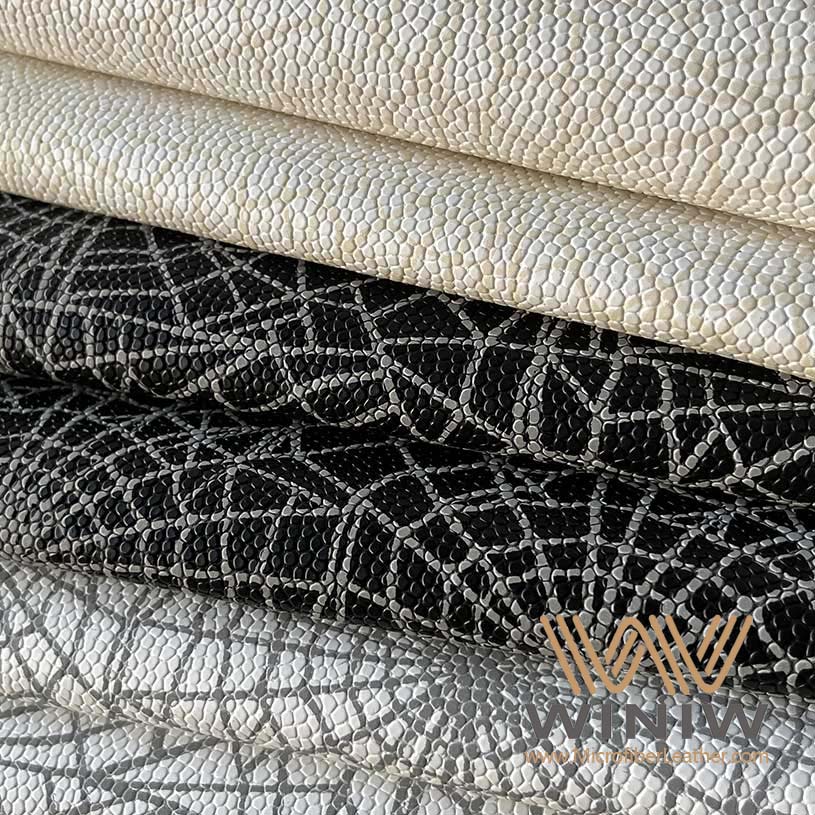
You will find that the outer layer is usually made from synthetic leather, specifically micro fiber polyurethane. This material has a light surface structure that reduces air resistance and improves the ball’s flight. Polyurethane, along with other soccer ball materials like PVC and TPU, provides enhanced durability, improved water resistance, and consistent performance in all weather conditions.
Recent advancements in polyurethane technology have made football pu material even better. High-grade polyurethane increases durability and water resistance. New design techniques also improve aerodynamics, giving you a ball that flies true and bounces well. These improvements make polyurethane used in football a top choice for both professional matches and training.
Why Material Matters for Play
The material you choose for your football affects every aspect of your game. Football pu material gives you a soft touch and excellent grip, which helps you control the ball more easily. Polyurethane soccer balls are popular in professional play because they offer exceptional touch sensitivity and consistent flight patterns. This means you can predict how the ball will move, making your passes and shots more accurate.
The flexibility of polyurethane allows for optimal energy transfer when you kick the ball. You get predictable trajectories and better control. The textured exterior, often made from 20 bonded polyurethane panels, adds to flight stability and helps you achieve the intended swerve when you strike the ball.
When you compare soccer ball materials, you see that polyurethane stands out for its superior durability and touch sensitivity. PVC is durable but less responsive, while TPU offers a balance between durability and performance. Polyurethane gives you the best combination of durability, water resistance, and playability.
Tip: If you want a ball that performs well in all weather, lasts longer, and feels great on your foot, football pu material is a smart choice.
PU Soccer Balls: Pros, Cons, and Comparison
Main Advantages of PU Soccer Balls
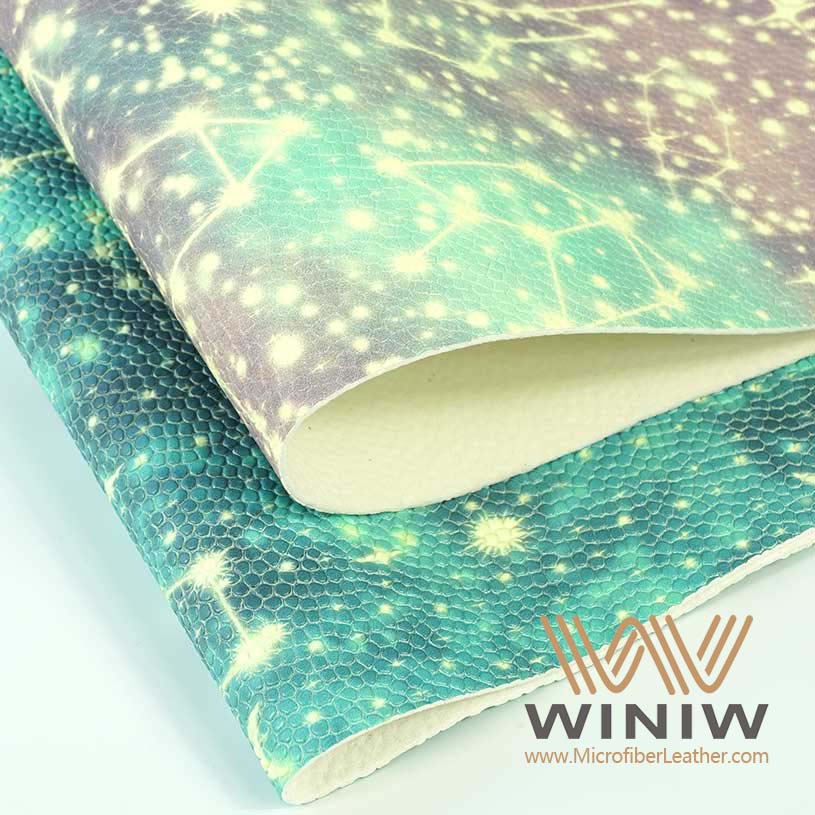
You will notice several clear advantages when you choose pu soccer balls. These balls stand out for their water resistance, soft feel, and good grip for players. The outer layer of polyurethane creates a surface that feels comfortable on your foot and head, making every touch more controlled. Many players and coaches highlight the soft touch and enhanced grip, which help you control the ball during fast-paced games. This good grip for players is especially important when you need to dribble, pass, or shoot with precision.
PU soccer balls also offer impressive durability. The material resists wear and tear, so you can use your ball for many matches without seeing much damage. Shape retention is another benefit. The ball keeps its round shape even after repeated kicks and headers. You will also find that these balls are more affordable than natural leather options, making them accessible for many players.
Here is a table that compares the main features of polyurethane, PVC, and leather soccer balls:
|
Feature |
Polyurethane (PU) |
PVC |
Leather |
|---|---|---|---|
|
Touch Sensitivity |
Superior |
Less responsive |
Moderate |
|
Water Resistance |
High |
Moderate |
Low (absorbs water) |
|
Shape Retention |
Excellent |
Moderate |
Poor |
|
Durability |
High |
Moderate |
Low |
|
Affordability |
More affordable |
Moderate |
Expensive |
You get a ball that performs well in both wet and dry conditions. Polyurethane provides excellent feel and responsiveness, so you can play at a high level no matter the weather. The combination of soft feel, grip, and durability makes pu soccer balls a top choice for many players.
Disadvantages and Care Tips
While pu soccer balls offer many benefits, you should also consider some disadvantages. Some players report that these balls may not last as long as other materials if used on rough surfaces. Issues like peeling, cracking, and general wear and tear can appear over time. The synthetic feel of polyurethane may not appeal to everyone, especially if you prefer the natural touch of leather. Performance can vary in certain conditions, and the environmental impact of polyurethane is a concern because it is not biodegradable.
Common issues include:
-
Durability concerns, such as peeling and cracking.
-
Synthetic feel, which some players do not like.
-
Performance variability in different weather.
-
Environmental impact due to plastic waste.
-
Occasional mild odor from the material, which usually fades quickly.
To extend the lifespan of your pu soccer balls, you should follow a few care tips:
-
Clean your ball regularly with mild soap and a soft cloth to keep its grip and appearance.
-
Store your ball in a dry, shaded area to protect it from sunlight and moisture.
-
Inspect your ball for damage before and after games.
-
Use a synthetic conditioner to keep the surface flexible.
-
Inflate your ball correctly and handle it with care, using it on appropriate surfaces.
-
Store your ball in a cool, dry place, away from direct sunlight and extreme temperatures.
Proper care helps your ball stay durable and maintain its performance characteristics over time.
PU vs. PVC and Leather Footballs
When you compare pu soccer balls to PVC and leather footballs, you see clear differences in performance characteristics, cost, and suitability. Polyurethane balls provide a superior touch and good grip for players, making them ideal for competitive matches and skill development. PVC balls are more affordable and work well for beginners or casual play, but they lack the soft feel and responsiveness of PU. Leather balls offer a traditional feel and breathability, but they absorb water and lose shape quickly, especially in wet conditions.
Here is a table that shows the price range for each material:
|
Material Type |
Price Range |
|---|---|
|
Natural Leather |
$50 to $200+ |
|
$10 to $50 |
|
|
$5 to $20 |
Performance also changes with weather. Polyurethane balls keep their feel and responsiveness in both wet and dry conditions. PVC balls can harden in cold weather and perform better in warm weather. Leather balls work well in dry, high-friction environments but struggle in the rain.
You will also find that pu soccer balls last longer than PVC balls, which degrade faster under sunlight. Leather balls can last if you care for them well, but they usually do not match the lifespan of polyurethane.
Who Should Choose PU Soccer Balls
You should choose pu soccer balls if you want a balance of durability, performance, and affordability. These balls work best for advanced and competitive players who need enhanced touch sensitivity and consistent performance. If you play on well-maintained grass or turf, you will benefit the most from polyurethane. Coaches often recommend these balls for players aged 8–12 who are developing their skills, as the ball bridges the gap between junior and adult sizes.
|
Player Type |
Suitable Ball Material |
Benefits |
|---|---|---|
|
Beginners |
PVC |
Good for developing fundamental skills and casual play. |
|
Intermediate |
TPU |
Offers improved performance without excessive cost. |
|
Advanced/Competitive |
PU |
Maximizes performance potential with enhanced touch sensitivity and consistency. |
|
Playing Environment |
PVC |
Excels on rough surfaces and in challenging weather conditions. |
|
|
TPU |
Good all-around performance across various surfaces. |
|
|
PU |
Best performance on premium surfaces like well-maintained grass or turf. |
If you want a football that offers a soft feel, reliable grip, and long-lasting durability, pu soccer balls are a smart investment. You will enjoy better control, more accurate passes, and a consistent playing experience in all weather conditions.
You gain a soft feel, water resistance, and durability with polyurethane footballs, making them ideal for any game. PU outperforms PVC and leather in control and longevity. Consider traction, surface, and climate when choosing. Review features like stitching and lining for best results.
FAQ
What makes PU footballs better for wet conditions?
PU footballs resist water. You get consistent grip and shape, even when the field is wet. This helps you play your best in any weather.
How do you clean and maintain a PU soccer ball?
-
Wipe with a damp cloth.
-
Use mild soap.
-
Store in a cool, dry place.
-
Avoid direct sunlight.
Are PU footballs suitable for beginners?
|
Player Level |
PU Ball Suitability |
|---|---|
|
Beginner |
Yes |
|
Intermediate |
Yes |
|
Advanced |
Yes |
You can use PU footballs at any skill level.